
Giant ramshorn snail
Marisa cornuarietis
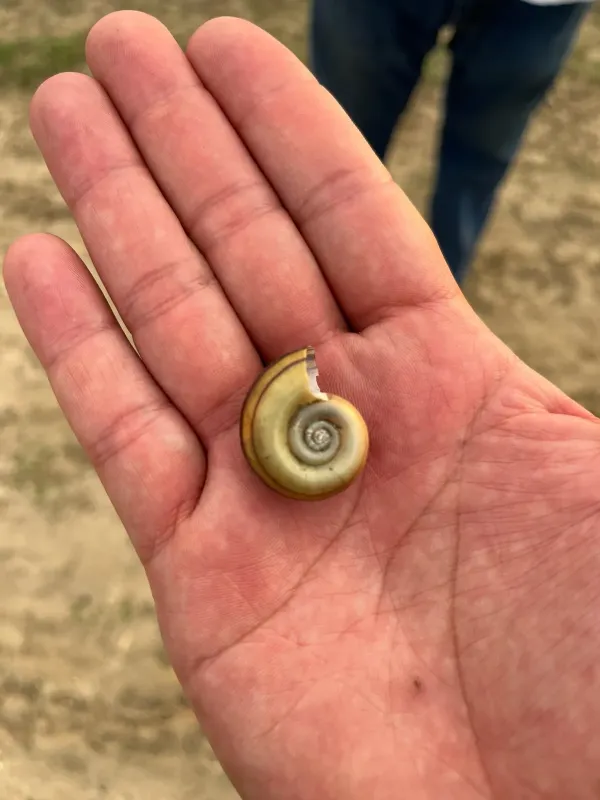
Description
How to identify
The giant ramshorn snail (Marisa cornuarietis) is a large freshwater mollusk belonging to the Ampullariidae family, often mistaken for other ramshorn species.
Adult specimens feature a spiral shell reaching up to 5 cm in diameter, typically displaying a yellow-to-brown base color with dark spiral banding.
Unlike many other snails, Marisa cornuarietis possesses a highly developed radula capable of scraping and consuming tough plant tissues with ease.
They are amphibious breathers, possessing both gills and a lung, which grants them high tolerance to various water quality parameters.
Taxonomically, they are classified under the Gastropoda class and Architaenioglossa order, reflecting their significant evolutionary success and adaptability.
What it damages
The primary agricultural impact of Marisa cornuarietis is the rapid consumption of aquatic vegetation, often leading to total plant loss in controlled systems.
They show a strong preference for soft-leaved plants like Ludwigia and Cabomba, effectively stripping them of their leaves and stems.
In hydroponic farm settings, these snails may damage the root systems of crops, interfering with nutrient uptake and causing severe yield loss.
By consuming beneficial vegetation, they outcompete other organisms and disrupt the intended ecological balance of the cultivation system.
Furthermore, their metabolic waste contributes to organic load buildup, creating an environment favorable for opportunistic plant pathogens.
Signs of infestation
The initial sign of infestation is the appearance of irregular, distinct holes in the leaves of aquatic or hydroponically grown plants.
As the population grows, foliage becomes skeletonized, leaving only the tougher vascular bundles of the leaves remaining behind.
Infested tanks or channels will show direct evidence of snails clinging to the undersides of leaves or along the edges of cultivation trays.
Small, translucent egg masses attached to hard surfaces or plant stems are clear indicators of an established breeding population.
A noticeable decline in plant vitality and biomass, unexplained by nutrient deficiencies, is a hallmark of this snail's feeding activity.
Control measures
Manual removal of individuals is the safest and most effective initial step to lower the pest population density in small systems.
Using baited traps filled with blanched vegetable scraps allows growers to collect and eliminate large numbers of snails during night hours.
Adjusting the water chemistry, specifically water hardness, can sometimes deter them, although this must be balanced with plant physiological needs.
While chemical molluscicides exist, their use in food production systems is highly restricted and risky for other beneficial aquatic life.
Strict biosecurity and quarantine protocols for all new plant material entering the facility are essential to prevent the introduction of this pest.
Taxonomy
- Latin name
- Marisa cornuarietis
- Order
- Molluscs
- Family
- Ampullariidae
- EPPO code
- MARICO
Discussion
No discussions yet — be the first.