
Marisa
Marisa
Description
How to identify
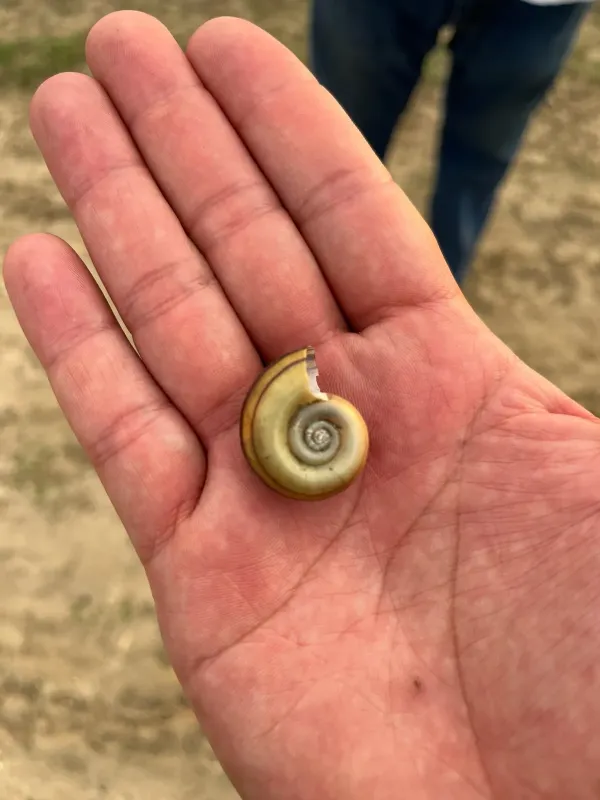
Marisa (Marisa cornuarietis) is a freshwater snail belonging to the Ampullariidae family. It is often referred to as the giant ramshorn snail due to its appearance and size, which can reach 4–5 centimeters in diameter.
The shell features a spiral structure with a brownish base and dark, sometimes broken, bands. The body is relatively light with mottled patterns, allowing for easy identification against dark aquatic substrates.
Unlike many other snails, the Marisa possesses a highly efficient radula—a tooth-like structure—used for scraping and consuming tough plant matter. This physiological trait makes them particularly dangerous for aquatic crops.
They are amphibious but predominantly reside underwater. Their ability to survive in a wide range of water conditions makes them highly resilient, allowing them to invade various aquatic systems including canals and irrigation ditches.
Recognizing the Marisa early is essential for preventing rapid population growth, as these snails are opportunistic feeders that thrive in stable aquatic environments.
What it damages
Marisa snails cause significant damage to aquatic crops and plants cultivated in hydroponic systems. They primarily feed on tender leaves, shoots, and root systems, which can lead to rapid plant mortality.
In commercial greenhouse settings, particularly those utilizing floating platforms, these snails can destroy young seedlings by consuming the root mass, which disrupts the nutrient uptake of the plants.
Beyond direct feeding, the snails create mechanical wounds on stems and leaves. These openings become entry points for various bacterial and fungal pathogens, potentially leading to widespread crop rot.
The snail's waste output can negatively affect the chemical balance and oxygen levels of nutrient solutions in hydroponic setups, creating a suboptimal environment for plant development.
Heavy infestations can lead to total crop loss, making these snails a serious threat to the productivity and profitability of commercial hydroponic operations.
When it appears
As a tropical species, the activity of Marisa is heavily dictated by water temperature. They thrive and reproduce optimally in temperatures ranging between 20°C and 28°C.
In warm climates or indoor hydroponic facilities, Marisa can remain active and reproductive throughout the entire year. Seasonal changes only affect them significantly when temperatures drop below 15°C.
The reproduction cycle is quite rapid, meaning that even a small number of introduced snails can become a large infestation within a few weeks during the warmer parts of the year.
Cold weather may reduce their activity levels, but they can survive unfavorable periods by hiding in substrate or debris, ready to resume feeding as soon as conditions improve.
Monitoring for signs of population growth should be continuous, especially during the spring and summer months when metabolic rates reach their peak.
Signs of infestation
The first signs of a Marisa infestation often include irregularly shaped holes or chewed edges on underwater leaves. These feeding patterns are usually distinct from other insect-related damage.
Snail mucus trails found on the edges of reservoirs or structural components of a hydroponic system are a reliable indicator of activity, especially since these snails are often active at night.
Direct sightings of the snails on root systems or submerged surfaces confirm the presence of the pest. They tend to congregate in areas where food sources are abundant.
Gelatinous egg clusters attached to the undersides of leaves or the walls of water containers indicate that the population has established itself and is actively breeding.
If plants appear stunted or yellow without evidence of nutrient deficiency, inspect the root zones; Marisa snails are known to graze on roots, causing significant damage that is not immediately visible.
Control measures
Mechanical removal is the most effective and safest method for managing Marisa populations in hydroponic or aquaponic systems. Regular manual collection of adults significantly limits the population.
Bait-based traps are highly efficient; placing vegetable slices like cucumber or zucchini in the water overnight attracts the snails, making it easy to remove them the next morning.
Chemical control must be applied with extreme caution. Products containing copper are toxic to most snails but can also be harmful to sensitive crops, requiring precise dosage and expert consultation.
Prevention is the best strategy. Always quarantine new plants before introducing them to an established system to avoid the accidental introduction of egg clusters or juvenile snails.
- Regular inspection of all reservoir walls.
- Removal and destruction of egg masses.
- Installation of fine-mesh screens on intakes.
- Maintaining strict hygiene protocols in water systems.
Taxonomy
- Latin name
- Marisa
- Order
- Molluscs
- Family
- Ampullariidae
- EPPO code
- MARISP
Discussion
No discussions yet — be the first.