
Malthinus flaveolus
Malthinus flaveolus
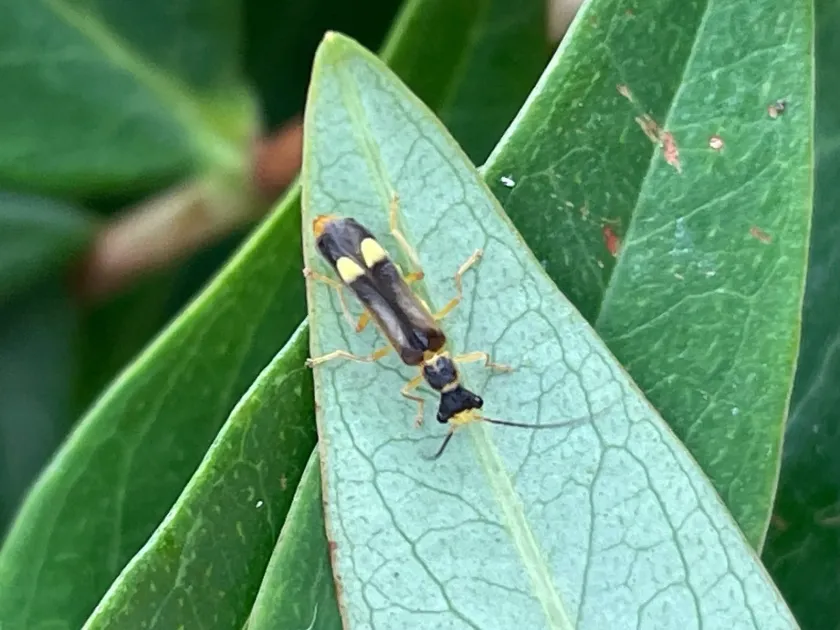
Description
How to identify
Malthinus flaveolus is a species of beetle belonging to the family Cantharidae, commonly known as soft-winged flower beetles or soldier beetles. They are characterized by their soft, flexible elytra and elongated body shape.
Adult beetles typically exhibit a yellowish-brown coloration with distinctive darker markings on their wing covers, which do not fully cover the entire abdomen.
The larvae are campodeiform and generally live in moist environments, such as leaf litter, soil, or under tree bark, where they act as opportunistic feeders.
As members of the order Coleoptera, they undergo complete metamorphosis, meaning they transition through egg, larval, pupal, and adult stages during their lifecycle.
Identification in the field is usually based on their specific body color pattern and the morphology of their antennae, which are relatively long and slender.
What it damages
The primary concern regarding Malthinus flaveolus in agricultural settings is the damage caused by adults feeding on the reproductive parts of flowering plants.
By consuming pollen and damaging petals, stamens, and pistils, these beetles can interfere with effective pollination, leading to a reduction in fruit set.
While often considered generalist predators, they can shift to a phytophagous diet when prey density is low or their population size becomes exceptionally high.
Fruit trees such as apple, pear, and various berry crops are most susceptible to damage, particularly when orchards are situated near natural habitats.
Economic damage is generally sporadic but can become significant in specific seasons if the timing of beetle activity coincides precisely with peak bloom.
When it appears
Adults of Malthinus flaveolus are typically active during late spring and early summer, aligning with the flowering period of many deciduous plants.
The species produces one generation per year, with the larval stage being the most common form for surviving the winter months in soil or debris.
Spring warming triggers the pupation of larvae, followed by the emergence of adults that begin feeding and searching for mates shortly after appearance.
The period of impact on agricultural crops is relatively brief, lasting only as long as the host plants are in full bloom and providing adequate resources.
After the flowering season concludes, adult populations rapidly decline as they disperse to wooded areas or meadows to reproduce and complete their cycle.
Signs of infestation
The most visible sign of infestation is irregular, ragged feeding marks on the petals of flowers found on fruit trees or shrubs during the blossoming stage.
Direct observation is highly effective as the beetles are relatively large and conspicuous when resting on flowers or moving between floral parts.
A reduction in the number of successful fruit sets, despite favorable weather conditions, can sometimes be linked to heavy damage to floral reproductive organs.
Affected flowers may appear wilted or prematurely shed, which serves as a visual indicator of feeding activity in the canopy of the plant.
Monitoring the presence of these beetles on blooms is essential for differentiating between physiological fruit drop and damage caused by insect feeding.
Control measures
Integrated Pest Management (IPM) strategies are recommended for managing Malthinus flaveolus, prioritizing non-chemical methods whenever possible.
Cultural practices, including the removal of leaf litter and debris from orchard floors, can reduce the number of overwintering larvae in the soil.
Chemical control should be avoided during the blooming period to ensure the safety of beneficial pollinators, which are vital for crop yields.
If population levels exceed economic thresholds, biological control agents or targeted, low-toxicity applications may be considered after petal fall.
Promoting biodiversity around agricultural fields by maintaining hedgerows or wild borders encourages natural predators to help regulate beetle populations.
Taxonomy
- Latin name
- Malthinus flaveolus
- Order
- Coleoptera (beetles)
- Family
- Cantharidae
- EPPO code
- MALTFL
Discussion
No discussions yet — be the first.