
Large Blue butterflies (Maculinea)
Maculinea
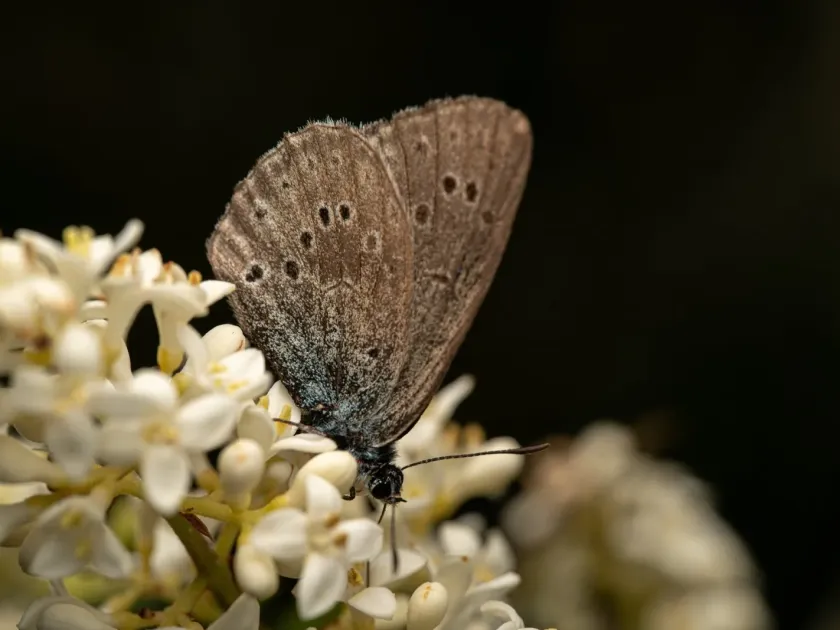
Description
How to identify
The genus Maculinea, often reclassified as Phengaris, belongs to the family Lycaenidae. These butterflies are famous for their obligate parasitic relationship with specific ant species.
Adult butterflies typically possess a wingspan ranging from 30 to 45 mm, characterized by distinct black spots on a blue or brownish-grey wing background.
Their larvae are highly specialized: the first instars feed on plant flowers, while the later stages are entirely dependent on being carried into ant nests.
Identification is based on the specific wing pattern and the presence of their preferred host plants, such as Thymus species, within the habitat.
These insects are regarded more as subjects of conservation biology than agricultural pests, as they require very specific environmental conditions to thrive.
What it damages
Maculinea butterflies are not classified as major agricultural pests. They do not cause economic damage to grain, vegetable, or industrial fruit crops.
The larvae can cause minor damage to wild or medicinal herbs, particularly those belonging to the Lamiaceae family, such as thyme and oregano.
Feeding occurs within the flower heads, which can reduce seed production in these specific plant populations if the butterfly density is high.
In most farming systems, the impact is negligible and does not warrant any specific pest control measures or intervention strategies.
The primary concern is ecological rather than agricultural, focusing on the preservation of biodiversity in grasslands adjacent to cultivated land.
When it appears
Adult Maculinea butterflies are active during the mid-summer period, typically flying between June and August depending on the local climate and latitude.
Egg-laying is synchronized with the blooming period of their host plants, ensuring that larvae have an immediate food source after hatching.
After a short period of feeding on flowers, the larvae drop to the ground and secrete chemicals to trick Myrmica ants into taking them into the nest.
They remain inside the ant colony for approximately ten months, overwintering as larvae and feeding on ant brood or receiving regurgitated food.
Pupation occurs within the ant nest in late spring or early summer, and the new generation of adults emerges shortly thereafter.
Signs of infestation
The presence of Maculinea is indicated by small entry holes found in the flower buds of host plants like thyme during the early summer months.
Observing the flight of adults around patches of host plants is the most reliable sign of a local colony being present in the area.
The existence of Myrmica ant colonies in the immediate vicinity is a necessary prerequisite for the successful development of the butterfly population.
In cases of commercial herbal cultivation, the reduction of floral density or signs of flower damage can be an indicator for entomological surveys.
General monitoring of the surrounding grassland biodiversity is usually sufficient to track the presence of these butterflies on or near agricultural land.
Control measures
As most Maculinea species are protected under environmental legislation, targeted chemical control is typically prohibited and unnecessary.
Management should focus on maintaining traditional landscape practices, such as light grazing or mowing schedules, to support the natural ecological balance.
Avoiding the intensive use of pesticides in surrounding areas is critical for preserving the ant colonies that host these unique insects.
In the unlikely event of high larval pressure on medicinal herb plantations, non-chemical or biological interventions should be prioritized.
Sustainable agricultural practices that include set-aside buffer strips are the best method for managing the interface between cultivation and these butterflies.
Taxonomy
- Latin name
- Maculinea
- Order
- Lepidoptera (butterflies)
- Family
- Lycaenidae
- EPPO code
- MCLASP
Discussion
No discussions yet — be the first.