
Macaria moth
Macaria
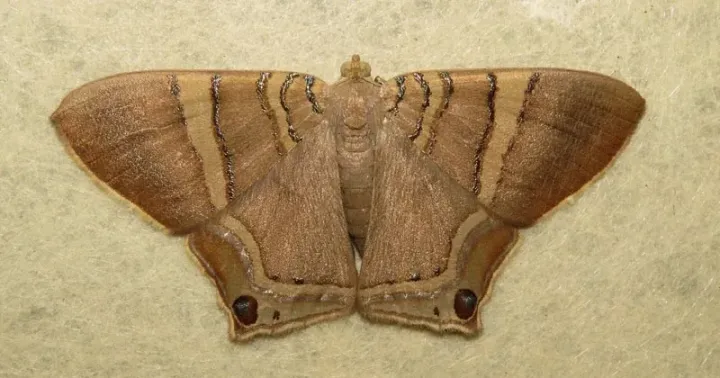
Description
How to identify
The Macaria moth belongs to the Geometridae family, order Lepidoptera. Adult moths are typically small, with patterns on their wings that provide excellent camouflage against tree bark and foliage.
The larvae, known as inchworms or loopers, have a unique method of locomotion, arching their bodies to pull their rear section forward, which gives them their common name.
These caterpillars are master mimics, often resembling small twigs or leaf veins, making them extremely difficult for growers to spot during routine garden inspections.
Pupae usually overwinter in the soil or within leaf litter, where they are protected from winter elements by their dark, cryptic coloring and their position in the ground.
Adult moths are primarily nocturnal, which often makes them elusive during the day and necessitates the use of light traps for accurate identification and monitoring purposes.
What it damages
This pest affects a wide range of woody plants and shrubs. In agricultural settings, it is known to cause damage to fruit trees such as apples, plums, and various ornamental species.
Larvae feed on soft leaf tissues, causing skeletonization or total leaf destruction, which significantly impairs the tree's ability to photosynthesize and store energy.
High infestations can lead to premature leaf drop, putting undue stress on the plant and potentially reducing yield or fruit quality in the following growing season.
In nursery environments, the aesthetic damage caused by leaf feeding can render plants unsellable, posing a significant economic risk to growers of ornamental shrubs.
Persistent feeding on young shoots can lead to deformed growth and stunted development, making the plant more susceptible to secondary pest attacks or diseases.
When it appears
Adult moths typically emerge in the spring, triggered by rising temperatures and the onset of plant growth, which provides the necessary conditions for mating and oviposition.
The first generation of larvae appears simultaneously with the development of new leaves, ensuring an ample food supply for rapid larval growth and development.
Depending on the climate and local weather conditions, this moth may complete one or several generations within a single growing season, extending the risk period.
Peak feeding activity usually occurs during June and July, when larval populations are at their highest and require significant caloric intake for their transformation.
As the season draws to a close, the final generation enters the pupal stage to survive the winter, effectively waiting for the next spring to start the cycle anew.
Signs of infestation
Early signs of infestation include irregular holes or missing leaf margins on foliage, which indicate the presence of feeding larvae in the canopy.
The presence of dark, granular droppings (frass) on the leaves or the ground beneath the plant is a clear indicator that caterpillars are actively feeding above.
Close inspection of branches may reveal larvae that remain motionless for long periods, perfectly mimicking the appearance of twigs to avoid detection by predators.
A simple shake test over a white cloth can often reveal the presence of caterpillars that have been dislodged, helping to determine the current density of the infestation.
- Irregular leaf margin feeding
- Dark frass granules on leaf surfaces
- Larvae mimicking twigs on stems
Control measures
Monitoring using pheromone traps is an effective way to track adult emergence and time interventions, ensuring that control measures are applied at the most vulnerable stage.
Biological control agents, such as formulations of Bacillus thuringiensis, offer a targeted and environmentally safe method for managing caterpillar populations.
Cultural practices, including the autumn cultivation of soil around tree bases, help destroy overwintering pupae and significantly reduce the pressure for the next season.
Encouraging natural predators, such as insectivorous birds and parasitic wasps, provides long-term ecological balance and helps maintain pest numbers below economic thresholds.
When chemical control is necessary, selective insecticides should be applied according to local regulations to minimize impact on beneficial insect populations.
Taxonomy
- Latin name
- Macaria
- Order
- Lepidoptera (butterflies)
- Family
- Geometridae
- EPPO code
- MCAASP
Discussion
No discussions yet — be the first.