
Lysandra
Lysandra
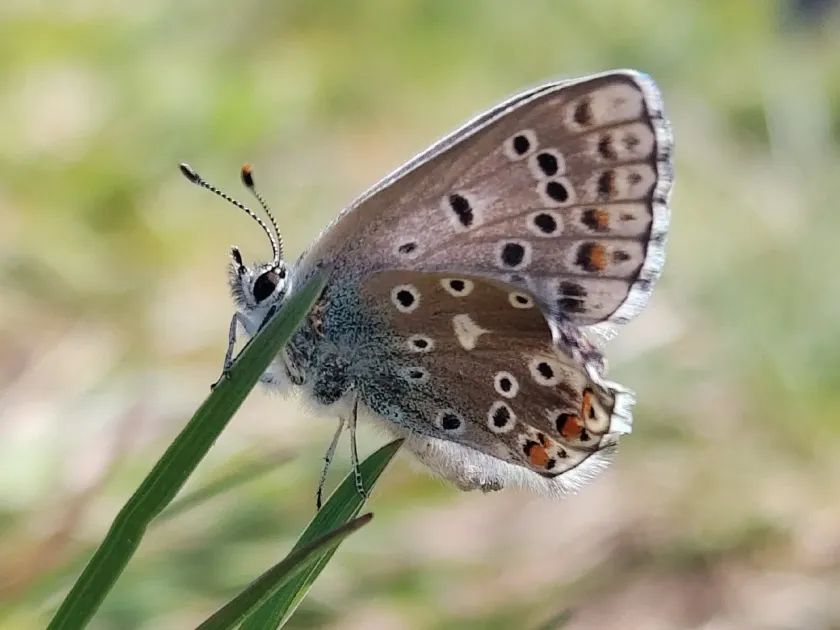
Description
How to identify
Lysandra is a genus of butterflies within the family Lycaenidae, commonly known as blues. These insects exhibit distinct flight patterns and are typically found in grassy habitats.
The adult moths are recognized by their metallic blue or brown wing coloration, which is a key diagnostic feature for field identification.
The larvae, or caterpillars, are small and often cryptic, blending in with the foliage of their host plants to avoid detection by predators and observers.
Systematically, the genus contains several species, all of which undergo complete metamorphosis including the egg, larva, pupa, and adult stages.
Identifying the specific species within the Lysandra genus often requires examination of wing patterns and genital morphology by qualified entomologists.
What it damages
Lysandra larvae primarily feed on legumes (Fabaceae), making them potential pests in pastures, clover fields, and various forage crops.
The caterpillars consume leaves, creating irregular holes and edges, which significantly reduces the leaf area available for photosynthesis.
Heavy infestations can lead to stunted plant growth, diminished plant vigor, and significant losses in forage biomass production.
Beyond vegetative damage, some species may feed on flower buds, which directly impacts the seed production and long-term sustainability of the stand.
The cumulative effect of larval feeding can weaken the overall stand, making the plants more susceptible to secondary diseases and environmental stress.
When it appears
The seasonal activity of Lysandra usually begins in late spring, with adults emerging to mate and lay eggs on suitable host plants.
The life cycle is tightly synchronized with the growth of host plants, ensuring that larvae have sufficient food sources during their peak activity.
Winter is typically passed in the larval or pupal stage, buried in the soil or protected within leaf litter at the base of the plants.
Multiple generations may occur in a single year depending on the regional climate, which complicates the timing of pest management strategies.
Monitoring for adults and early larval stages should be prioritized during the prime growing season to prevent large-scale outbreaks.
Signs of infestation
The most visible signs of Lysandra damage include leaf skeletonization and the presence of irregular bite marks along the edges of the foliage.
Larval frass (excrement) accumulation on the upper surfaces of leaves or near the base of the plant is a strong indicator of active infestation.
Wilting of individual plants or patchiness in the field can signify localized clusters of caterpillars feeding on the host tissue.
Presence of pupae on stems or undersides of leaves confirms that the insect has completed a lifecycle within that specific field environment.
Careful inspection of the plant canopy during the early morning hours can reveal the presence of the larvae while they are most active.
Control measures
Cultural control strategies include maintaining healthy crop rotations and removing host weeds that provide alternative feeding sites for the larvae.
Integrated Pest Management (IPM) practices, including the use of pheromone traps, can help detect the arrival of adults and determine spray thresholds.
Chemical intervention should be reserved for periods of high population pressure, utilizing insecticides that are selective to minimize impact on pollinators.
Biological control, such as encouraging natural predators like parasitic wasps or ladybird beetles, can help keep the population in check.
- Tillage practices to disrupt pupation sites in the soil.
- Strategic mowing to reduce host availability during peak larval phases.
- Application of bio-rational pesticides like Bacillus thuringiensis.
Taxonomy
- Latin name
- Lysandra
- Order
- Lepidoptera (butterflies)
- Family
- Lycaenidae
- EPPO code
- LYSNSP
Discussion
No discussions yet — be the first.