
Cicada Lyristes
Lyristes
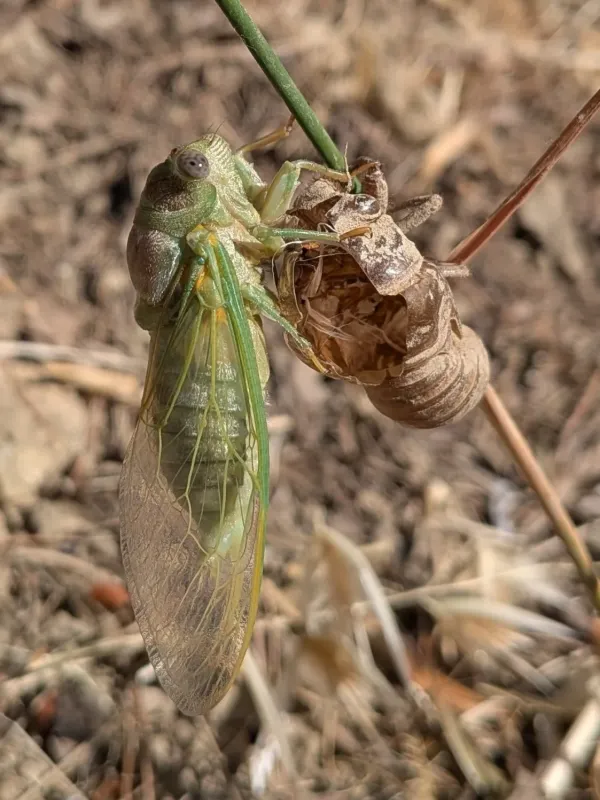
Description
How to identify
The cicada Lyristes plebejus is a large insect belonging to the family Cicadidae, known for its distinctive appearance and loud song.
Adults feature a robust, brownish body with mottled markings, providing excellent camouflage against tree bark where they spend most of their time.
The wings are large and transparent, often spanning up to 80-100 mm, making these insects highly visible once they take flight.
Nymphs live underground for several years, equipped with specialized forelegs designed for digging through soil and feeding on plant roots.
The lifecycle includes a long juvenile stage in the soil followed by a relatively short adult phase focused on reproduction and egg-laying.
What it damages
Nymphs of this species feed on the sap of tree roots, which can cause significant stress to fruit trees and shrubs in the garden.
Adults cause damage by piercing the bark of branches to feed on sap, which often leads to the weakening of younger shoots.
When laying eggs, females make deep incisions into the plant tissue, which frequently results in the breaking or withering of terminal twigs.
The damage caused by these incisions makes the plants more susceptible to subsequent secondary infections, such as cankers and fungal diseases.
Heavy infestations of Lyristes can lead to stunted growth, yellowing foliage, and a noticeable decrease in the productivity of the orchard.
When it appears
Adult activity is primarily concentrated in the hot summer months, specifically during July and August, when temperatures favor their metabolic rate.
Nymphal stages are present in the soil throughout the year, but their impact becomes more noticeable when they emerge to transform into adults.
The loud, buzzing song of the males is a reliable indicator that the adult population is active and ready for mating within the garden ecosystem.
The emergence of nymphs from the soil is a gradual process, leading to a prolonged period of adult presence during the warm season.
Winter is typically passed as eggs deposited within the bark of tree branches, awaiting the arrival of favorable weather conditions in spring.
Signs of infestation
The most prominent sign of a Lyristes presence is the distinct, high-pitched buzzing sound emitted by males during the hottest parts of the day.
Gardeners can often find discarded nymphal exuviae (cast-off skins) clinging to the trunks of trees, which confirms the development cycle.
Visual inspection of young branches often reveals characteristic scars or rows of small punctures made by females during the oviposition process.
- Premature wilting of young twigs and branch tips.
- Small exit holes found on the surface of the soil near tree bases.
- Slow decline of tree vigor without clear nutritional or disease causes.
Sticky residue or gumming on branches can sometimes be observed where the insects have been feeding on the sap of the tree.
Control measures
Effective management of Lyristes requires a proactive strategy that combines cultural practices with targeted pest control methods.
Pruning and destroying infected branches containing egg clusters can significantly reduce the potential population size for the next season.
Applying registered insecticides during the peak flight period can help manage large populations, though this should be done with care for beneficials.
Maintaining soil health and regular cultivation around the base of trees can disrupt nymphal development in the soil during the early spring.
Encouraging biological control agents, such as insectivorous birds and parasitic wasps, is a sustainable way to keep cicada populations in check.
Taxonomy
- Latin name
- Lyristes
- Order
- Hemiptera (bugs, aphids, leafhoppers)
- Family
- Cicadidae
- EPPO code
- LYRISP
Discussion
No discussions yet — be the first.