
Lygris moth
Lygris
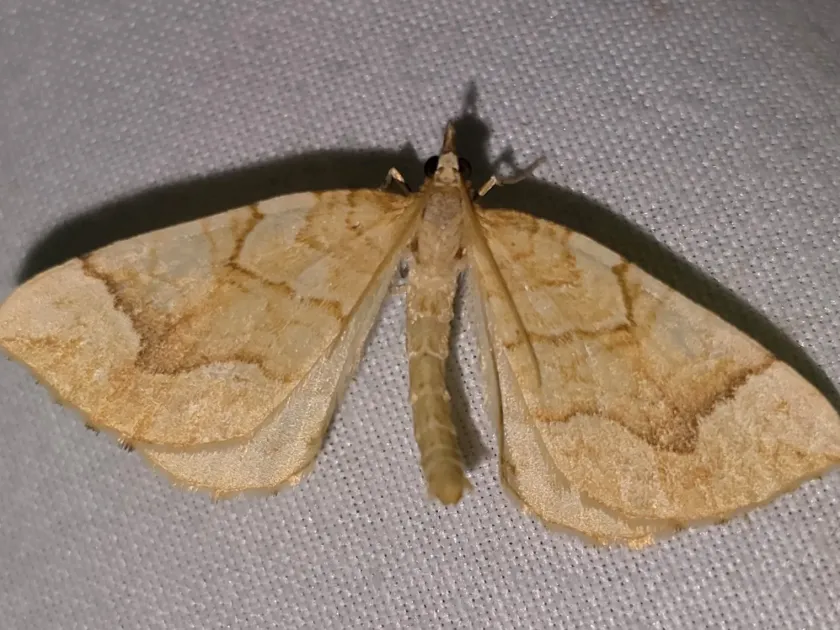
Description
How to identify
The Lygris moth belongs to the family Geometridae within the order Lepidoptera. Adult moths are typically medium-sized, featuring cryptic coloration that allows them to blend in perfectly with tree bark or withered foliage.
The larvae of this genus, commonly known as inchworms, exhibit the characteristic looping movement of the Geometridae family. They possess three pairs of thoracic legs and two pairs of abdominal prolegs, which gives their gait its distinctive appearance.
Identification at the species level often requires detailed examination of morphological traits, as members of the genus are visually similar and often classified under revised taxonomies like Ecliptopera or Chloroclysta.
The life cycle encompasses four stages: egg, larva, pupa, and imago. Overwintering typically occurs as eggs or early-instar larvae, providing high survival rates in temperate climates.
These moths are primarily nocturnal, making them difficult to detect without the use of light traps or pheromone-based monitoring tools placed in orchards or fields.
What it damages
The primary hosts of the Lygris moth include various species of the Rosaceae family, with a notable preference for Ribes (currants) and wild berry bushes.
Damage is caused primarily by larvae feeding on leaves and young shoots. They consume leaf tissues, often starting from the margins or creating irregular holes, which significantly reduces the plant's photosynthetic efficiency.
In cases of heavy infestation, larvae may completely strip the branches of foliage, leading to severe plant stress and a subsequent decline in vigor and overall harvest yield.
Beyond leaf consumption, feeding on new growth can interfere with the development of fruit buds, potentially impacting the crop potential for the following growing season.
Infestations are most common in poorly managed orchards or wild areas bordering commercial plantings, where natural control mechanisms may be insufficient.
When it appears
The phenology of the Lygris moth is synchronized with the growth cycle of its host plants. Larvae typically emerge from overwintering sites just as buds are breaking, coinciding with the arrival of succulent spring foliage.
The first generation of adults usually appears in late spring or early summer. Depending on local climatic conditions, the pest may complete one or two generations per season.
Larval activity peaks in early to mid-summer, as the insects feed heavily to accumulate the energy required for pupation. This is the period when scouting should be intensified.
Pupation takes place either in the soil or within curled leaves bound by silk. The pupal stage duration is highly dependent on ambient temperature, typically lasting several weeks.
As autumn approaches, the insects enter diapause. Falling temperatures trigger the cessation of larval feeding, preparing the population for the winter dormancy period.
Signs of infestation
The most early diagnostic sign is the presence of irregular "notched" or skeletonized leaves, indicating the presence of active larvae in the canopy.
Visible webbing and curled, silk-bound leaves are clear indicators of caterpillar activity, as they use these structures for both protection and anchoring during feeding.
The accumulation of frass (larval droppings) on leaves or the ground beneath infested shrubs is a reliable indicator of a population present in the upper foliage layers.
Stunted growth of apical shoots and the deformation of developing leaves are common symptoms observed in severely infested plants.
Reduced fruit set and premature leaf drop, when not linked to fungal or bacterial pathogens, often point to a hidden caterpillar infestation within the plant crown.
Control measures
Cultural control measures include deep tillage or soil cultivation around the base of bushes in autumn, which disrupts overwintering pupae and reduces the carry-over population.
For small-scale gardeners, hand-picking larvae and removing infested, silk-webbed foliage is a highly effective and environmentally friendly management strategy.
Biological control, such as applying Bacillus thuringiensis (Bt) sprays, is very effective against young larvae and minimizes impact on beneficial insect populations.
Chemical control should be implemented using selective insecticides following local regulations, ensuring application occurs during the early larval development stage.
Promoting a healthy ecosystem by encouraging natural predators, including predatory wasps, beetles, and birds, is a crucial long-term strategy for suppressing Lygris moth populations.
Taxonomy
- Latin name
- Lygris
- Order
- Lepidoptera (butterflies)
- Family
- Geometridae
- EPPO code
- LYGRSP
Discussion
No discussions yet — be the first.