
Lygaeus familiaris
Lygaeus familiaris
Description
How to identify
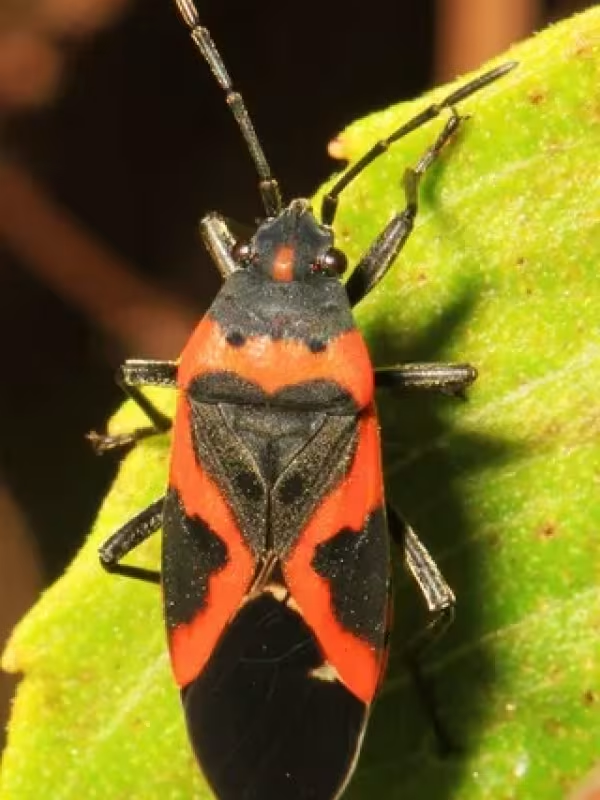
Lygaeus familiaris is a species of true bug belonging to the order Hemiptera and the family Lygaeidae. These insects are typically 9–12 mm long and possess a striking black and red coloration that acts as a warning signal (aposematism) to potential predators.
The pronotum is primarily black with red lateral margins. The scutellum is triangular and black. The hemelytra (forewings) display a distinctive pattern of black spots on a red background, which is a key diagnostic feature for species identification.
The life cycle involves incomplete metamorphosis (hemimetabolous), passing through egg, nymph, and adult stages. Adults overwinter in plant debris, under bark, or in the top layer of soil, emerging as temperatures rise in early spring.
Females deposit eggs in soil or on the underside of leaves of host plants. This strategic placement ensures that emerging nymphs have immediate access to food sources, facilitating their rapid development into the next instar stages.
This species thrives in warm, sunny environments. Populations are commonly found on forest edges, meadows, and abandoned garden plots where weeds and host plants provide an ideal habitat for their survival and reproduction.
What it damages
Damage is caused by both nymphs and adults using their piercing-sucking mouthparts to feed on plant sap. During feeding, they inject salivary enzymes that cause necrosis, tissue distortion, and stunted growth in affected areas.
The bug primarily affects strawberries, raspberries, and several wild plants within the Asteraceae family. During population outbreaks or drought conditions, they may also migrate to cereal and legume crops, causing economic damage.
Infestation of flower buds and young fruit is particularly detrimental. Feeding punctures cause the berries to develop poorly, resulting in deformed fruit that is commercially unviable and prone to secondary fungal rot.
Leaf damage manifests as small pale spots that eventually turn brown and necrotic. Severe infestations weaken the plant, significantly reducing its photosynthetic capacity and overall vigor during the growing season.
Furthermore, these bugs can serve as vectors for secondary pathogens. By creating openings in plant tissues, they facilitate the entry of various bacteria and fungi, compounding the damage caused by the initial feeding.
When it appears
Adults first appear in early spring when ambient temperatures consistently exceed 10–12°C. They become active as soon as fresh green growth is available, searching for food after their winter dormancy.
The peak activity period occurs in late spring and early summer, coinciding with mating and oviposition. During this time, nymphs of early instars are most active, causing the most significant damage to young shoots and leaves.
A second generation typically reaches adulthood by late July or August. During this period, the bugs may move between different host plants, shifting from early-season crops to late-summer vegetation and weeds.
Summer heat often drives increased mobility. When local host plants dry out, the bugs migrate in search of more succulent foliage, potentially spreading the infestation across larger areas within the garden or farm.
As autumn temperatures drop, the bugs enter a state of diapause. They seek sheltered sites, such as leaf litter or crevices in wood, to survive the winter, effectively ending the annual active cycle of the population.
Signs of infestation
The most obvious sign of an infestation is the presence of the adult bugs themselves, easily recognized by their vivid black and red pattern, often seen in clusters on flower heads or ripening fruit.
Observation of small, depressed feeding punctures on berries or fruit. These spots are often surrounded by discolored tissue, indicating where the bug has injected its saliva and extracted sap.
Leaf curling, yellowing, or the appearance of speckled necrosis. If you examine the undersides of leaves, you may find nymphs, which are generally smaller and paler than the adults, feeding in groups.
Premature blossom drop or wilting of flower stalks. This damage prevents fruit set and can significantly lower the overall yield, especially if the infestation happens early in the plant's development.
A characteristic pungent odor emitted by the bugs when disturbed or crushed. This is a common defensive trait in the Lygaeidae family and serves as a reliable indicator of their presence during field inspections.
Control measures
Cultural control is the most effective approach, starting with rigorous weed management. Eliminating alternate host plants and cleaning up crop residues removes potential food sources and overwintering sites.
Manual removal of bugs is practical for small garden plots. Inspecting plants during the early morning hours, when the insects are less active, allows for effective collection and disposal of the pests.
In cases of severe infestation, targeted application of contact insecticides approved for berry crops may be necessary. Always adhere to the pre-harvest interval (PHI) specified by the manufacturer to ensure food safety.
Biological control methods, including the use of entomopathogenic fungi or predators, offer sustainable alternatives to synthetic chemicals, particularly as harvest time approaches and residue concerns increase.
Maintaining optimal plant health through balanced fertilization and adequate irrigation is crucial. Strong, healthy plants are more resilient to bug feeding and can recover more effectively from minor infestations.
Taxonomy
- Latin name
- Lygaeus familiaris
- Order
- Hemiptera (bugs, aphids, leafhoppers)
- Family
- Lygaeidae
- EPPO code
- LYGAFA
Discussion
No discussions yet — be the first.