
Lygaeus electus
Lygaeus electus
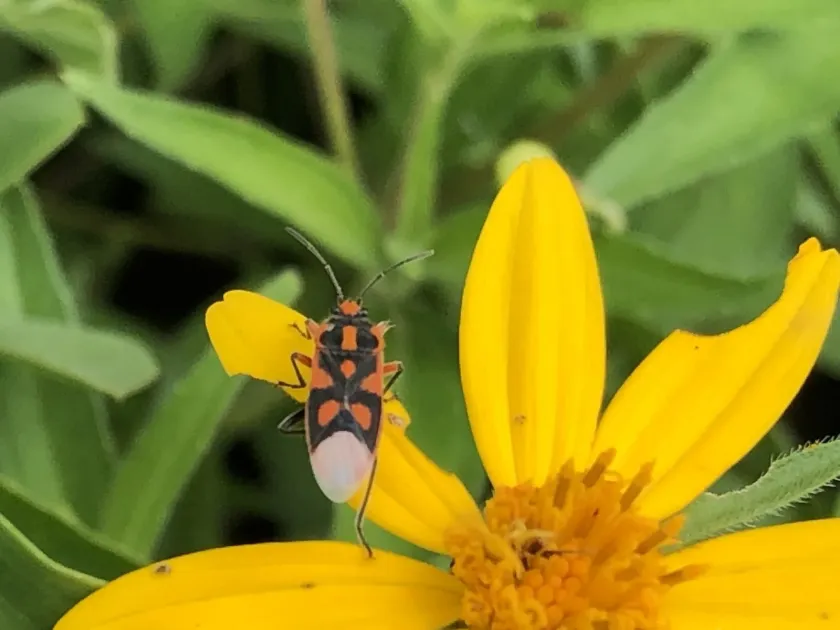
Description
How to identify
Lygaeus electus is a species of seed bug belonging to the family Lygaeidae (order Hemiptera). The adult insect measures approximately 8–12 mm in length and is characterized by a distinctive bright pattern on its elytra, featuring a mix of black and red or orange coloration.
The head is typically black, often marked with a bright red spot on the vertex. The pronotum is also black with red lateral margins. A triangular scutellum, which is solid black, serves as a vital diagnostic feature for distinguishing it from similar species in the field.
The nymphs undergo several developmental stages, gradually resembling the adult form. They are primarily found near the base of plants or within the inflorescences, where they feed on sap. Their color evolves as they mature through the larval stages.
These bugs prefer dry, sunny habitats and are frequently encountered on field margins, wasteland, and along hedgerows. Adults possess well-developed wings and are capable of active flight over significant distances to locate suitable host plants.
Overwintering occurs primarily in the adult stage, sheltered under plant debris, tree bark, or within the upper layer of the soil. As spring temperatures rise, they emerge from diapause to feed on early-season weeds before migrating to crops.
What it damages
Lygaeus electus is a polyphagous pest that feeds on plant juices. The primary damage occurs when the bug uses its proboscis to pierce stems, leaves, and particularly the reproductive organs of agricultural plants, leading to severe stress.
The pest targets a variety of grain and industrial crops. It is particularly noted for causing damage in sunflower fields, where it feeds on developing flower heads, significantly reducing seed quality and overall yield potential.
Leguminous crops are also susceptible, as the bug feeds on young pods and ovaries. This activity causes fruit deformation, stunted development, and premature shedding, which translates into substantial losses for farmers.
Beyond the direct removal of nutrients, the punctures created by the bugs act as entry points for secondary pathogens, including various fungal and bacterial infections. This often results in localized necrosis and tissue decay.
During years of massive population growth, Lygaeus electus can cause significant economic damage. Consequently, proactive monitoring and timely intervention are essential to protect crop stands during critical developmental stages.
When it appears
The seasonal activity of the bug begins in early spring, once soil and air temperatures reach levels suitable for the feeding of overwintered adults on initial weed hosts.
The population peak usually occurs in late summer, coinciding with the flowering and maturation phases of major field crops. During this time, the bugs migrate from wild host plants onto agricultural crops to maximize feeding.
The life cycle may include several generations per year, depending on regional climatic conditions. Hot and dry summers are particularly conducive to rapid larval development, which can lead to rapid outbreaks in crop fields.
As summer draws to a close and day length decreases, the bugs prepare for the dormant period. They feed intensively to build up fat reserves, which are necessary for survival during the upcoming winter months.
The autumn period ends with the search for overwintering sites. Agronomic practices involving the destruction of crop residues are highly effective in limiting the success of these overwintering populations for the following season.
Signs of infestation
The most reliable sign of an infestation is the presence of adult bugs on flower heads or foliage. Upon close inspection, one can identify tiny, discolored spots or necrotic points where the insect has pierced the plant tissues.
Initial symptoms of damage include the curling or yellowing of leaf margins. When reproductive parts are targeted, buds and ovaries often turn black and wither, a phenomenon that is easily detected during routine field scouting.
In sunflower fields, a characteristic sign is the development of empty or undersized achenes (seeds) within the head, resulting from heavy sap extraction during the critical grain-filling period.
The presence of nymphs in leaf axils or on the undersides of leaves confirms that active reproduction is occurring. Damage is sometimes accompanied by the exudation of plant fluids, which may dry and leave sticky or darkened residues on the plant.
- Yellowing and wilting of specific plant parts.
- Deformation of pods and reproductive organs.
- Visible presence of bright-colored adult bugs.
- Stunted growth of infested plants.
- Increased susceptibility to secondary plant diseases.
Control measures
Control of Lygaeus electus relies on integrated pest management (IPM), combining agronomic practices with chemical intervention. The most important preventive measure is the systematic removal of weeds, which serve as primary reservoirs.
Deep plowing of fields after harvest helps reduce overwintering success by burying the bugs deep in the soil profile. This practice is essential for maintaining low population densities in the following year.
When infestation levels exceed the economic threshold, the application of systemic or contact insecticides is recommended. It is crucial to follow regional guidelines regarding application timing to ensure efficacy.
Biological control methods, utilizing natural enemies and predators, are becoming increasingly important. Preserving these beneficial insect populations can naturally suppress bug numbers, reducing the need for chemical sprays.
Regular field monitoring using yellow sticky traps or visual sampling allows for early detection of pest migration. Acting before the pest population reaches a critical density is the key to preventing widespread crop loss.
Taxonomy
- Latin name
- Lygaeus electus
- Order
- Hemiptera (bugs, aphids, leafhoppers)
- Family
- Lygaeidae
- EPPO code
- LYGAEL
Discussion
No discussions yet — be the first.