
Netted Carpet
Lycia zonaria
Description
How to identify
The Netted Carpet, scientifically known as Lycia zonaria, belongs to the Geometridae family. These moths are characterized by a distinct sexual dimorphism, which plays a crucial role in the species' reproductive strategy and population dynamics.
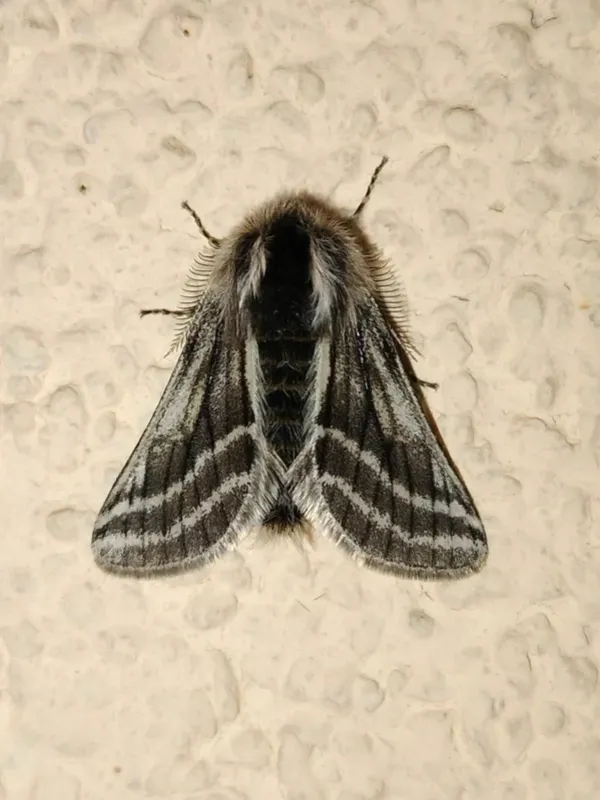
Males of this species have well-developed wings with a subtle net-like or striped pattern, providing excellent camouflage against tree bark. In contrast, females are flightless and possess vestigial wings, forcing them to crawl up tree trunks to find suitable spots for oviposition.
The larvae, or caterpillars, exhibit the typical "looper" or "inchworm" movement of the family. Their bodies are elongated and often colored to match the twigs or leaves of their host plants, allowing them to remain well-hidden from predators and garden maintenance activities.
The life cycle is tightly synchronized with early spring temperatures. The pupal stage occurs in the soil, where the insects remain protected during the winter months, emerging as adults once soil temperatures provide the necessary signal for development.
Monitoring the population of adult males in early spring using light traps or pheromone lures can provide valuable data on the potential infestation levels for the upcoming season, allowing for timely intervention before the eggs hatch.
What it damages
The Netted Carpet is a polyphagous pest, meaning it feeds on a variety of host plants. In agricultural and horticultural settings, it primarily affects fruit trees such as apples, pears, and various stone fruit species, as well as several deciduous shrubs.
Damage begins as soon as the larvae emerge, with the young caterpillars feeding on developing buds. By consuming the inner parts of the buds, they prevent the formation of leaves and blossoms, directly reducing the tree's productive potential.
As the caterpillars grow, they move to the foliage, skeletonizing leaves or consuming them entirely. Severe infestations can result in significant defoliation, which hampers photosynthesis and weakens the tree's overall vigor and energy storage for the following year.
Feeding on blossoms is particularly destructive, as it directly impacts fruit set. If the Netted Carpet population is high, the loss of potential fruit yield can be substantial, making it a serious concern for both commercial orchards and home gardeners.
Weakened trees become more susceptible to secondary stressors, including prolonged drought, winter freeze damage, and attacks by other pests or pathogens, further complicating the management of the affected orchard.
Control measures
The most effective mechanical control involves the application of sticky bands around tree trunks. Because the females are flightless, these barriers effectively trap them before they can reach the canopy to lay eggs, drastically reducing the next generation of larvae.
Cultivation practices such as tilling or digging the soil under the tree canopy in late autumn or early spring can significantly disrupt the pupal cycle. This exposes the pupae to birds and other predators, reducing the overwintering population.
Biological control using formulations based on Bacillus thuringiensis is highly effective against young larvae. These treatments are environmentally friendly and selective, ensuring that the impact on beneficial insects and natural predators is kept to a minimum.
Chemical control should be considered as a last resort and timed carefully to minimize impact on bees and other pollinators. Choosing selective insecticides and applying them only when economic thresholds are exceeded is the best practice for integrated pest management.
Regular inspection of the orchard during the early spring allows for the early detection of larvae activity. Early intervention keeps the population manageable and prevents the need for more intensive chemical treatments later in the growing season.
Taxonomy
- Latin name
- Lycia zonaria
- Order
- Lepidoptera (butterflies)
- Family
- Geometridae
- EPPO code
- BISTZO
Discussion
No discussions yet — be the first.