
Lycia
Lycia
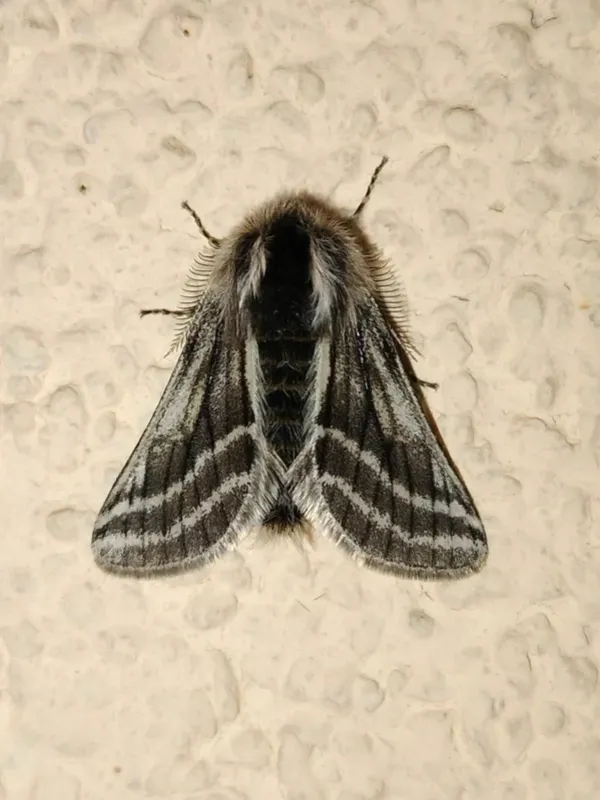
Description
How to identify
Lycia is a genus of moths belonging to the family Geometridae, often referred to as inchworms or geometer moths due to the unique movement of their larvae.
Adult moths of this genus typically exhibit protective coloration, ranging from grey to brown, which allows them to blend in perfectly with tree bark and branches.
A notable feature of this genus is sexual dimorphism; males are often fully winged and active fliers, while females may be brachypterous, possessing vestigial wings.
The larvae are classic inchworms, moving by looping their bodies, which is facilitated by the reduction of abdominal prolegs compared to other moth species.
Due to their camouflage, caterpillars are exceptionally difficult to spot, as their body colors frequently mimic the texture and shade of the host plant's twigs.
What it damages
Lycia caterpillars are polyphagous, meaning they feed on a diverse range of host plants, including various deciduous forest trees and fruit-bearing trees like apples and pears.
The primary damage occurs during the larval stage when caterpillars consume buds, young leaves, and sometimes even soft shoots of the trees.
In cases of high infestation density, these caterpillars can cause massive defoliation, leaving trees vulnerable and significantly reducing their photosynthetic potential.
For fruit orchards, this damage directly impacts the tree's health and vitality, often leading to reduced fruit yields and poor quality of the harvest.
Repeated annual attacks by these larvae weaken the trees, making them more susceptible to secondary infections by pathogens and other wood-boring insects.
When it appears
The life cycle of Lycia is synchronized with the spring season, ensuring that larvae emerge exactly when trees are producing the most nutrient-rich foliage.
Most species in this genus have one generation per year, with pupae or eggs serving as the overwintering stage, hidden away in soil or deep bark crevices.
Larval activity typically begins in early spring, coinciding with bud burst and the expansion of leaves, which provides the initial food source for the insects.
The feeding phase usually lasts until early summer, after which the larvae descend to the ground to pupate in the soil for the duration of the summer and autumn.
Understanding this precise phenology is essential for agronomists, as it identifies the critical windows for inspection and potential application of protective measures.
Signs of infestation
The first signs of infestation are small, irregular holes in the newly opened leaves, often found on the lower branches of the tree canopy.
Presence of larvae can be confirmed by observing the distinctive looping motion when they move along branches, or by their tendency to freeze in place when disturbed.
Droppings, appearing as small dark pellets on the leaves below, serve as a clear indicator that caterpillars are actively feeding above those foliage levels.
As the infestation progresses, leaves may show severe skeletonization, where only the toughest veins remain, giving the tree a sparse and sickly appearance.
Threads of silk hanging from branches indicate that the caterpillars are relocating or dropping to escape potential predators, a common behavior for this genus.
Control measures
In small-scale orchards or gardens, manual removal of caterpillars in the early morning is an environmentally friendly and effective way to manage population numbers.
Biological control using microbial insecticides, specifically those containing Bacillus thuringiensis, is highly recommended to target larvae without harming beneficial insects.
Chemical intervention should be reserved for high-population scenarios, using selective insecticides applied during the early stages of larval development for maximum impact.
- Encouraging the presence of insectivorous birds that prey on larvae.
- Autumn soil cultivation to disrupt the pupation sites and destroy overwintering pupae.
- Monitoring pheromone traps to time the arrival of adult moths and predict larval activity.
Proper timing of any application is crucial, as early-stage larvae are significantly more susceptible to control measures than those that have reached maturity.
Taxonomy
- Latin name
- Lycia
- Order
- Lepidoptera (butterflies)
- Family
- Geometridae
- EPPO code
- LYCISP
Discussion
No discussions yet — be the first.