
Luquetia
Luquetia
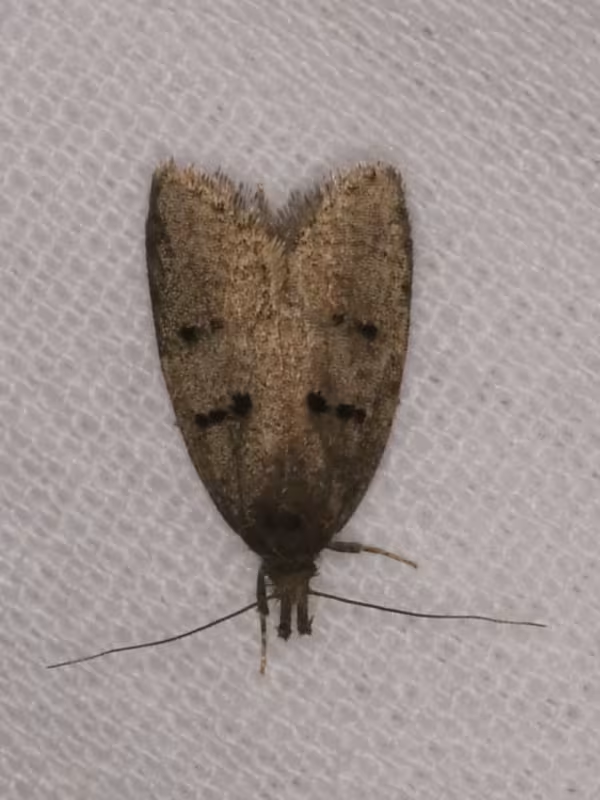
Description
How to identify
Luquetia is a genus of moths belonging to the family Oecophoridae, known in agricultural contexts for its potential to damage various plant species. The adult moth is small and typically displays cryptic coloration that allows it to blend perfectly into dry foliage, stems, or soil debris.
Identifying this pest in the field requires a keen eye, as the moths are often nocturnal or remain hidden during the day. Their morphological characteristics, including wing venation and color patterns, are the primary markers used by entomologists for accurate genus classification.
The life cycle of Luquetia follows the standard holometabolous development process: egg, larva, pupa, and adult. Each stage of development is highly sensitive to environmental factors like temperature and humidity, which dictate the speed of maturation throughout the season.
The larval stage is the most destructive, characterized by a chewing mouthpart designed for consuming plant tissue. Larvae are often found in sheltered areas, such as between folded leaves or inside plant stalks, which provides them with a natural defense against predators.
Pupation typically occurs within the soil profile or inside dry plant residues. Recognizing these pupation sites is essential for effective farm management, as targeting these areas during the off-season can significantly suppress future pest outbreaks.
What it damages
The primary damage caused by Luquetia larvae involves the consumption of leaves, shoots, and sometimes growing points. By feeding on the leaf surface, the larvae reduce the total photosynthetic area of the plant, which directly impacts its ability to grow and develop.
In cases of high infestation, the larvae can skeletonize the leaves, leaving behind only the tough vascular veins. This severe damage can lead to stunted growth, reduced biomass, and in severe cases, the complete loss of individual plants.
Damage to the growing points or stem tissue causes physiological disruption, leading to stunted plants or lateral branching instead of proper vertical development. This structural damage is particularly detrimental during the early growth stages of a crop.
Beyond direct feeding, the wounds inflicted by larvae provide entry points for opportunistic fungal and bacterial pathogens. This secondary infection further degrades the plant's health and can lead to necrosis of affected tissue.
Economic losses vary depending on the crop's stage of development and the intensity of the infestation. Significant outbreaks can cause yield losses that exceed 20%, necessitating proactive management strategies.
When it appears
The seasonal activity of Luquetia generally begins in the spring, triggered by rising soil temperatures. The emergence of the first generation of adults coincides with the sprouting or early leaf development of target agricultural crops.
Larval activity peaks in late spring and early summer, when environmental conditions are optimal for rapid growth and development. This period requires constant monitoring, as the young larvae are most active and potentially damaging to developing vegetation.
Depending on the region and weather patterns, multiple generations may occur within a single growing season. This cumulative increase in population pressure often necessitates multiple treatment interventions if not properly managed early on.
The final generation of the year prepares for overwintering, seeking shelter in the soil or protected organic debris. Understanding the timing of this transition is critical for implementing effective cultural control methods.
Agro-meteorological monitoring and degree-day modeling are highly effective tools for predicting the emergence patterns of each generation, allowing for precise and timely pest control applications.
Signs of infestation
The most common signs of a Luquetia infestation are irregular holes and ragged edges on the leaves. As the larvae feed, they often create tunnels or skeletonize the leaf surface, leaving a distinctive mesh-like appearance on the foliage.
The presence of silken webbing on leaves or tucked into the growing points is a major red flag. Larvae often use this silk to bind leaves together, creating a protective hideout that conceals their presence from predators and farm workers.
Frass, which looks like small granules of insect excrement, is frequently found under the infested leaves. Finding these granules is a reliable indicator that larvae are actively feeding nearby and that immediate attention is required.
Wilting of leaves or shoots, despite adequate moisture, often suggests that the larvae have bored into the stems or petioles, disrupting the plant's nutrient and water transport systems.
- Ragged, eaten edges of leaves.
- Silken webbing between leaves.
- Presence of insect excrement (frass) on foliage.
- Deformed or stunted shoot growth.
- Small boreholes into stems or leaf petioles.
Control measures
Effective management of Luquetia requires an integrated pest management (IPM) approach that combines cultural, biological, and chemical methods. Deep plowing and proper residue management are essential for disrupting the pupation environment of the pest.
Crop rotation is a key cultural practice that breaks the pest’s cycle by removing its preferred food source. Avoiding the continuous planting of host crops in the same area significantly reduces population density over time.
When economic thresholds are reached, systemic insecticides are often the most effective solution, as they can reach larvae hidden within plant tissues. Application should be timed carefully to match the larval activity window.
Biological control, using specific parasitoids or microbial agents, provides an environmentally friendly alternative to chemical pesticides. These methods can help maintain pest populations below harmful levels while preserving beneficial insect biodiversity.
Monitoring with pheromone traps is the most efficient way to track population levels and determine the precise timing for chemical applications. This approach reduces unnecessary pesticide use and lowers overall production costs while protecting the crop yield.
Taxonomy
- Latin name
- Luquetia
- Order
- Lepidoptera (butterflies)
- Family
- Depressariidae
- EPPO code
- LUQUSP
Discussion
No discussions yet — be the first.