
Common earthworm
Lumbricus terrestris
Description
How to identify
The common earthworm (Lumbricus terrestris) belongs to the Lumbricidae family. While traditionally viewed as beneficial in open fields, in greenhouses, nurseries, or container gardening, they can behave as pests by disrupting soil structure and damaging plant roots.
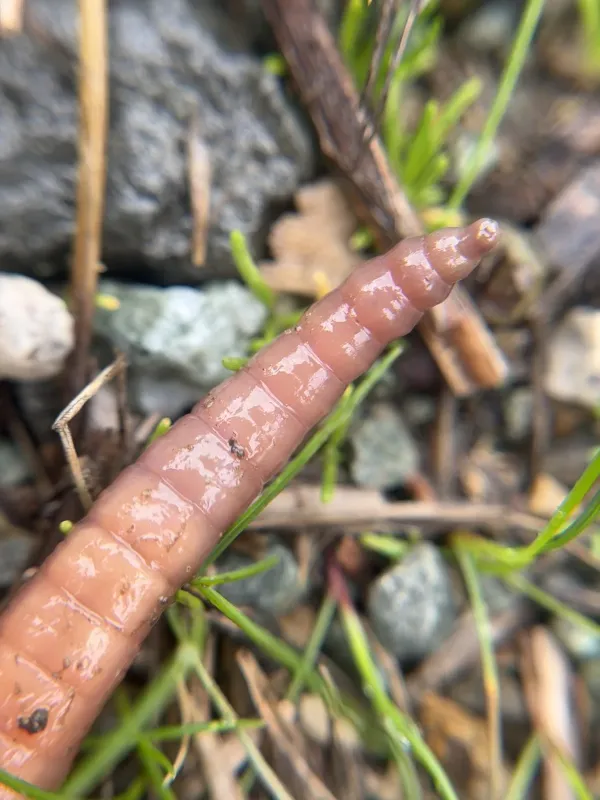
These organisms are segmented worms with a reddish-brown color, often reaching significant lengths. Their biological cycle involves laying cocoons in the soil, from which offspring emerge to feed voraciously on organic matter, which can include fragile seedling roots in enclosed containers.
In high-moisture environments typical of greenhouses, earthworm populations can expand rapidly. Their activity level is directly correlated with soil temperature and humidity, making greenhouse conditions ideal for their survival and reproduction throughout the entire growing season.
Morphologically, they are recognized by their cylindrical bodies and the presence of a clitellum. They are highly active at night or during irrigation, often migrating to the surface. Their presence in a container system is a clear indication that the substrate is no longer inert.
The earthworm is a prolific breeder, and in the absence of traditional food, it will turn to the rhizosphere of potted plants. A single mature individual can significantly alter the soil texture within a small container, rendering it unsuitable for the healthy development of seedlings.
What it damages
The primary damage occurs in nurseries and container-grown crops. Earthworms create tunnels through the potting medium, which severs delicate root hairs and prevents the root system from forming a firm bond with the substrate, essentially starving the plant.
As the tunnels expand, they cause the soil to become excessively porous, leading to rapid drainage. This prevents water from reaching the roots, causing the plants to suffer from chronic moisture stress despite frequent irrigation, leading to stunting or yellowing leaves.
Root exposure to air caused by tunnel creation makes the plant susceptible to drying out. Furthermore, the disruption of the root zone provides a pathway for pathogens like Pythium and Rhizoctonia, leading to root rot and complete loss of the seedling.
In ornamental plants and vegetables, worms often displace the soil around the base of the stem, leaving the crown vulnerable to mechanical damage and further fungal infection. This is particularly devastating for young, tender seedlings just after transplanting.
The accumulation of worm castings (fecal matter) can clog drainage holes in containers, leading to stagnant water and anaerobic conditions. This shift in the soil chemical and physical profile is highly detrimental to sensitive plant roots, causing overall plant decline.
Signs of infestation
Visible signs of infestation include small heaps of soil or castings on the surface of the container and an unusual looseness of the soil. If the substrate seems to shrink and pull away from the edges of the pot after watering, earthworm activity is highly likely.
Growth stagnation in seedlings without any obvious signs of disease or foliage-feeding pests is a major indicator. Affected plants often lack resistance when pulled, suggesting that their anchoring root system has been severely compromised by tunnel-making.
During irrigation, if worms emerge from the drainage holes or come to the surface, it confirms an overpopulation within the medium. Additionally, the presence of visible channels running through the root ball is a definitive sign of their occupation.
The soil surface appears lumpy or uneven, and the medium dries out significantly faster than expected after watering. This happens because the tunnels created by the worms allow water to bypass the root zone, effectively preventing the moisture from reaching the roots.
Root balls removed from affected pots show clear evidence of boring. Instead of a dense, white mass of healthy roots, the root ball looks depleted, with hollow tunnels and severed ends, directly reflecting the destructive impact of Lumbricus terrestris.
Control measures
The most effective strategy is prevention through the use of sterilized, soilless media. Heat treatment (steaming) of potting mixes is the gold standard for nurseries to ensure that no cocoons or juvenile worms are introduced into the container environment.
If an infestation is discovered, repotting the plant into fresh, sanitized media is essential. During this process, carefully wash the root system to remove all traces of the old soil, which may contain eggs or small individuals that were not immediately visible.
For large-scale greenhouse operations, the use of soil-drench insecticides specifically labeled for greenhouse use can control population surges. Always prioritize products with a high safety margin for the specific crop variety being grown.
Installing fine mesh netting over drainage holes at the bottom of pots is a simple yet effective barrier to prevent earthworms from migrating into containers from the bench or greenhouse floor. This is especially important for long-term potted plants.
Proper nutrient management is key; avoid using uncomposted manures or raw organic materials in potting mixes, as these are primary attractants. Ensuring the organic matter is fully broken down prevents the worms from viewing the container as a food source.
Taxonomy
- Latin name
- Lumbricus terrestris
- Family
- Lumbricidae
- EPPO code
- LUMBTE
Discussion
No discussions yet — be the first.