
Red wiggler
Eisenia foetida
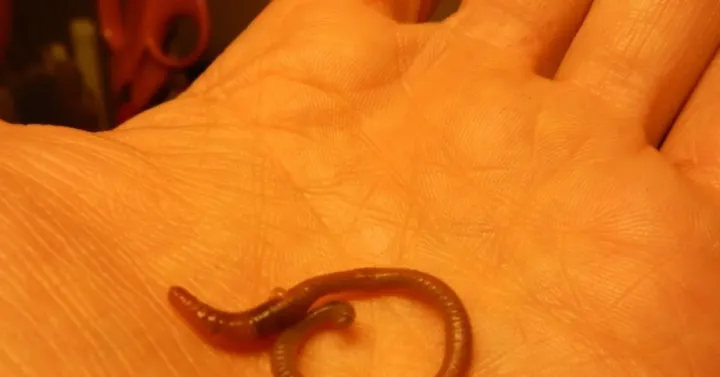
Description
How to identify
The Red wiggler (Eisenia foetida) is a species of earthworm belonging to the family Lumbricidae. It is typically 6 to 13 cm long and has a distinctive reddish-brown, striped appearance with lighter bands.
This species is highly adapted to living in decomposing organic matter such as manure or compost piles. Due to their rapid reproductive cycle, they can quickly colonize nutrient-rich substrates, making them beneficial for composting but potentially problematic in restricted environments like pots.
The life cycle involves cocoons that hatch within 2-3 weeks, with maturity reached in about two months. They are sensitive to moisture levels and are known to secrete a pungent, yellowish fluid when threatened.
Unlike common earthworms (Lumbricus terrestris), which prefer mineral soil, Red wigglers are surface feeders. They thrive where organic content is highest, often found in potting mixes containing improperly composted materials.
In the context of agricultural and home gardening, identifying them correctly is essential. While they are crucial for soil aeration in open beds, their behavior in confined root systems can become destructive to sensitive young plants.
What it damages
The primary targets for damage are seedlings, small vegetable starts, and containerized ornamental plants. When food sources in a pot are depleted, these worms turn their attention to tender root systems.
Feeding damage occurs when worms graze on fine root hairs, which are vital for water and nutrient uptake. This grazing causes plants to show signs of nutrient deficiency despite proper fertilization.
Worm movement within the pot creates structural changes in the soil. They create tunnels that disrupt the contact between the soil and the plant roots, often causing the roots to dry out due to air pockets.
The damage caused by the worms' bristles creates entry points for soil-borne pathogens. Fungal infections, such as root rot, frequently follow, leading to rapid deterioration and death of the plant.
Visible symptoms include stunted growth, loss of foliage vigor, and wilting. Plants may appear unstable or loose in their containers as the structural integrity of the soil is broken down by the worms.
Signs of infestation
A primary indicator of a Red wiggler presence is the appearance of vermicompost castings (small granular pellets) on the surface of the soil. This is a clear sign that worms are processing the organic matter in the pot.
Excessive soil settling is another common sign. As the worms consume organic material, the total volume of the soil in the pot decreases rapidly, causing the plant to sink.
Soil porosity changes: if water drains through the pot immediately without being absorbed by the substrate, it indicates that the worms have created numerous tunnels throughout the root ball.
Physical presence: if you spot reddish-striped worms on the surface after a heavy watering, or if the soil gives off a distinct, earthy, yet sharp odor, an infestation is likely occurring.
Root system health: upon removing a plant for inspection, one might see damaged roots with frayed ends or a total lack of root-to-soil cohesion, which is a classic symptom of worm activity.
Control measures
The most effective strategy is the use of high-quality, sterilized potting mixes. Avoid using fresh manure or partially finished compost in container mixes to prevent introducing worm cocoons.
For immediate control, use the baiting method. Place a thick slice of raw potato or apple on the soil surface overnight. The worms will migrate to the bait, allowing you to remove them manually the next day.
Diluted potassium permanganate (very light pink solution) can be used to water the soil, which encourages the worms to come to the surface for easier removal if they are becoming a significant problem.
If an infestation is severe, the best course of action is to repot the plant in fresh, sterile soil. Ensure that the new soil is organic-rich only in the form of finished, stable humus.
Maintaining proper hygiene in the greenhouse, such as avoiding debris accumulation under pots, helps minimize the attraction of Red wigglers and other soil-dwelling organisms to your container plants.
Taxonomy
- Latin name
- Eisenia foetida
- Family
- Lumbricidae
- EPPO code
- EISEFO
Discussion
No discussions yet — be the first.