
Allolobophora
Allolobophora
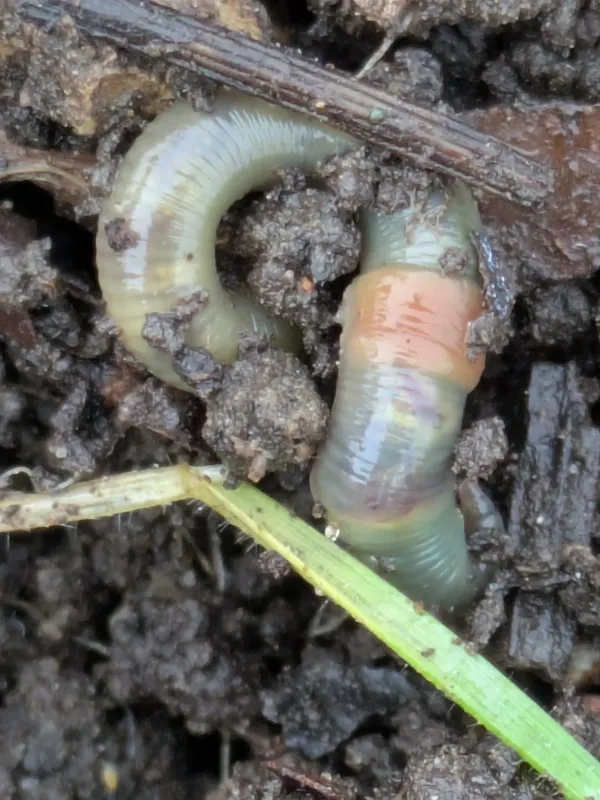
Description
How to identify
Allolobophora is a genus of earthworms belonging to the family Lumbricidae. While many earthworms are beneficial to soil structure, certain species in this group can exhibit feeding behaviors that harm agricultural crops.
These organisms have segmented, cylindrical bodies that are typical of earthworms. Their size ranges between 5 and 15 centimeters, and their coloration usually spans from gray to brownish-pink.
They reside primarily in the topsoil layers, moving through the earth to feed on organic matter. However, when populations are high or organic food is scarce, they shift to consuming living plant tissue.
They are hermaphroditic and reproduce by laying cocoons in the soil. Under favorable moisture and temperature conditions, the life cycle progresses rapidly, leading to significant population growth.
Recognizing them involves distinguishing their physical appearance from other soil-dwelling larvae or insects; they are characterized by their smooth, mucous-covered skin and lack of legs.
What it damages
The primary damage caused by Allolobophora is directed at the underground parts of plants. They pose a significant threat to root crops such as carrots, potatoes, beets, and radishes.
The pests burrow into the tubers and roots, creating deep cavities and tunnels. This physical damage ruins the quality of the vegetables and makes them unmarketable for commercial use.
These tunnels act as entry points for secondary infections. Pathogenic fungi and bacteria frequently colonize these wounds, leading to severe rot that can destroy entire harvests in the field.
Seedlings are particularly vulnerable, as the worms can sever the primary root, causing the plant to wither and die shortly after germination or transplantation.
In moist soil conditions, the activity of these worms increases, and they can aggregate in large numbers around the base of vegetable plants, causing localized but intense damage.
When it appears
Allolobophora activity is closely linked to soil moisture levels. They are most active and damaging during cool, wet periods, typically in the spring and autumn months.
During the spring, as soil temperatures rise, they migrate to the upper layers to forage for newly planted seeds and developing roots, making this a high-risk period for crop establishment.
Hot, dry summers cause them to retreat deeper into the soil profile to avoid desiccation. However, frequent garden irrigation keeps the surface soil moist, allowing them to remain active throughout the summer.
In the autumn, as crops mature and tubers increase in size, the worms return to the upper soil layers to feed, resulting in maximum damage shortly before the harvest.
The winter months are spent in deep soil layers, where they survive temperatures that would otherwise be lethal, ensuring they emerge refreshed the following season.
Signs of infestation
One of the most obvious signs of an infestation is the presence of small mounds of soil, or "castings," on the surface of the soil after rainfall or irrigation.
Visible damage on harvested vegetables, including deep, irregular pits or holes, is a clear indicator that worms have been feeding on the produce.
Plants that appear stunted, yellowing, or suddenly wilting without any signs of foliage pests often have compromised root systems due to burrowing activity.
When digging into the soil around a damaged plant, one might find the pests themselves, especially in moist, dark conditions where they are feeding.
The presence of slimy residue or localized rot around the damaged root zones is another common clinical sign that Allolobophora has been present.
Control measures
Cultural practices remain the most effective means of management. Deep autumn tilling can expose the worms to the surface, where they succumb to sunlight, dehydration, or predators like birds.
Avoid excessive use of raw manure, as this provides a rich food source that encourages population spikes. Composted organic matter is a much safer alternative.
Crop rotation is essential in managing high populations. Moving susceptible crops away from infested fields for at least one or two seasons disrupts the life cycle of the worms.
Maintaining proper soil pH through liming can create an environment less favorable to certain Allolobophora species, which often prefer slightly acidic to neutral soils.
- Improve soil drainage to prevent the excessive moisture they thrive in.
- Regularly cultivate the soil between rows to disturb their tunnels.
- Use biological controls such as specialized fungal pathogens where necessary.
Taxonomy
- Latin name
- Allolobophora
- Family
- Lumbricidae
- EPPO code
- ALLLSP
Discussion
No discussions yet — be the first.