
Earthworm
Lumbricus
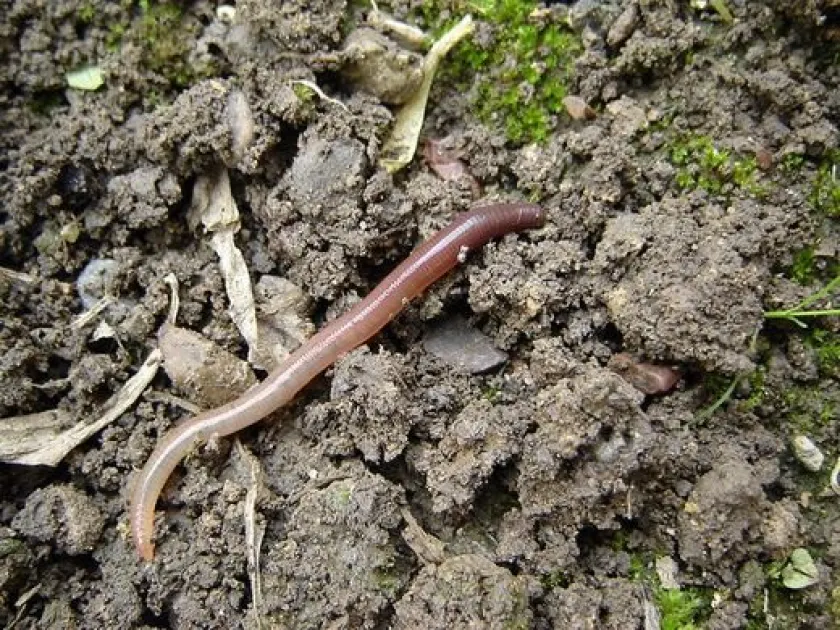
Description
How to identify
The earthworm (lat. Lumbricus) belongs to the phylum Annelida, order Haplotaxida, and family Lumbricidae. These segmented invertebrates are generally beneficial for soil structure but can become problematic in specific horticultural settings.
Their bodies are cylindrical and composed of multiple segments, often reaching lengths between 5 and 30 cm. They are characterized by a clitellum, a glandular thickening in the anterior part of the body that plays a role in reproduction.
Earthworms thrive in moist, nutrient-rich soil. They reproduce by laying eggs in cocoons, from which small worms emerge. While they are primary decomposers, they possess mouthparts capable of damaging tender plant tissues when other food sources are unavailable.
Their biological activity is heavily dependent on soil moisture and temperature. In greenhouse conditions, they are active throughout the growing season, especially in artificial potting mixes that lack natural organic debris.
While often celebrated for soil aeration, their high density in confined environments like seedling trays can cause significant physical stress to young, developing root systems.
What it damages
The main damage occurs in vegetable and flower seedlings grown in containers. Earthworms tunnel through the limited volume of soil, disrupting the delicate contact between the roots and the growth medium.
When the soil is poor in organic matter, earthworms frequently switch to feeding on young, tender roots and root collars. This causes severe stunting, leaf chlorosis, and, in many cases, total plant failure.
The tunnels created by earthworms create large air gaps in the root ball, causing the roots to dry out prematurely. This effect is often worsened by the inability of the roots to anchor firmly in the soil.
Injured root systems become susceptible to secondary infections by soil-borne pathogens, leading to root rot. Gardeners often misdiagnose these conditions as purely fungal, ignoring the role of the invertebrate damage.
High levels of worm activity can effectively lift or heave seedlings out of their pots, breaking the delicate root hairs and causing the plant to suffer from sudden nutrient and water deficiency.
Signs of infestation
The most common sign of earthworm presence is the discovery of small piles of soil castings on the surface of the potting mix, indicating active feeding and movement within the container.
Water drains excessively fast through the soil, as the tunnels created by the worms act as artificial drainage channels, preventing the roots from absorbing sufficient moisture during routine watering.
Seedlings appear wilted despite adequate irrigation. This persistent stress is a classic indicator that the roots are no longer effectively connected to the surrounding soil matrix.
If you observe the potting soil settling unevenly or finding air gaps when carefully removing the plant from the pot, these are clear signs of earthworm infestation.
During or immediately after a heavy watering, worms may migrate to the surface of the soil or congregate near the drainage holes at the bottom of the pot, providing visible confirmation of their presence.
Control measures
The best preventative strategy is to use sterilized, high-quality potting substrates that are free from egg cocoons and adult earthworms, especially for greenhouse and nursery operations.
If an infestation is detected, gently remove the plant from its container, wash the root system to remove the worms, and transplant the seedling into fresh, sanitized soil.
Monitoring soil moisture is essential. Maintaining a proper watering regime that prevents waterlogging will discourage worms from staying in the containers, as they prefer permanently damp, anaerobic-prone conditions.
Placement of fine mesh over the drainage holes of pots can prevent earthworms from entering containers from the ground or benches in greenhouses.
- Use only pasteurized or sterilized growing media.
- Install mesh screens on container bottoms.
- Monitor soil surface for casting piles.
- Avoid organic amendments that haven't been fully composted.
Taxonomy
- Latin name
- Lumbricus
- Family
- Lumbricidae
- EPPO code
- LUMBSP
Discussion
No discussions yet — be the first.