
Long worm
Allolobophora longa
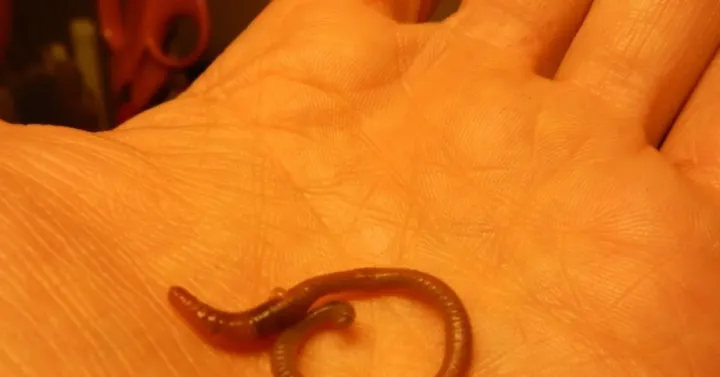
Description
How to identify
The long worm (Allolobophora longa) belongs to the Lumbricidae family. Mature specimens can reach lengths of 12–15 centimeters and are characterized by a greyish-brown color, often with a darker pigmentation on the anterior end of the body.
This species is well-known for its burrowing behavior, creating permanent vertical tunnels that penetrate deep into the soil profile. This vertical movement is a key behavioral trait that distinguishes it from many surface-dwelling worm species.
The life cycle of this worm is heavily dependent on soil moisture levels and consistent temperature. They reproduce via cross-fertilization and lay cocoons in the soil, which hatch into young worms that begin feeding on organic matter.
While they are generally considered beneficial for soil aeration in non-agricultural settings, their activity in managed fields or greenhouses can occasionally lead to direct interference with plant roots and crop development.
Field identification involves soil sampling to a depth of 20–30 centimeters. Agronomists typically look for their presence near the root zone of damaged crops during the growing season when moisture levels are sufficient for their activity.
What it damages
The species primarily affects young seedlings of vegetables, cereal crops, and ornamental plants in nurseries. In situations where organic food sources are scarce, they may feed on young roots or soft root tissues.
In intensive cultivation, root damage caused by A. longa can disrupt water and nutrient uptake, leading to stunted growth. The mechanical lesions also create entry points for secondary pathogens like soil fungi or bacteria.
The economic impact of this pest is most pronounced when high amounts of fresh, non-decomposed organic matter are incorporated into the soil immediately before sowing, attracting the worms to the seedbed.
Root vegetables such as carrots and beets often show surface scarring or shallow pits due to feeding activity, which drastically reduces the marketability and storage potential of the harvest.
Seedling loss can occur when the worms disturb the surrounding soil, leading to the dehydration of young roots or causing plants to be uprooted in loose, heavily tunneled soil environments.
Signs of infestation
One of the primary indicators is the unexplained wilting of young plants during the day, which suggests a failure in the root system's ability to maintain hydration, often coinciding with worm activity.
Loose soil mounds or castings around the base of the plant are clear indicators of their presence. Regular inspection of these areas is crucial for early detection, especially in greenhouse substrates.
The presence of shallow pits on root crops, often mistaken for wireworm damage, is a characteristic sign. Unlike insect damage, these pits are usually cleaner and cover larger surface areas without deep boring.
In greenhouses, uneven soil settling or the sudden appearance of small holes in potting media after irrigation are indicative of vertical burrowing activity directly affecting plant stability.
Yellowing of foliage in the absence of obvious disease symptoms is a frequent sign of compromised root integrity, necessitating an immediate investigation of the rhizosphere for the presence of the worm.
Control measures
Crop rotation is an essential preventive measure, as is ensuring that organic fertilizers are fully decomposed before application. Proper soil preparation helps discourage the establishment of dense worm colonies.
Mechanical disturbance of the soil, such as inter-row cultivation, disrupts the vertical tunnels, forcing worms to deeper layers and reducing their impact on the root zone during critical plant growth stages.
Biological control agents, including specific entomopathogenic fungi, can be used to manage population density in an environmentally friendly manner, ensuring long-term soil health and productivity.
Chemical control is considered a last resort. When used, targeted soil-applied insecticides that have minimal impact on non-target beneficial soil microorganisms are prioritized to maintain the balance of the ecosystem.
- Deep autumn plowing to disrupt the burrow network.
- Optimized irrigation schedules to prevent excessive saturation of the root zone.
- Utilization of sterilized substrates in greenhouse nursery production.
Taxonomy
- Latin name
- Allolobophora longa
- Family
- Lumbricidae
- EPPO code
- ALLLLU
Discussion
No discussions yet — be the first.