
Eisenia earthworm
Eisenia
Description
How to identify
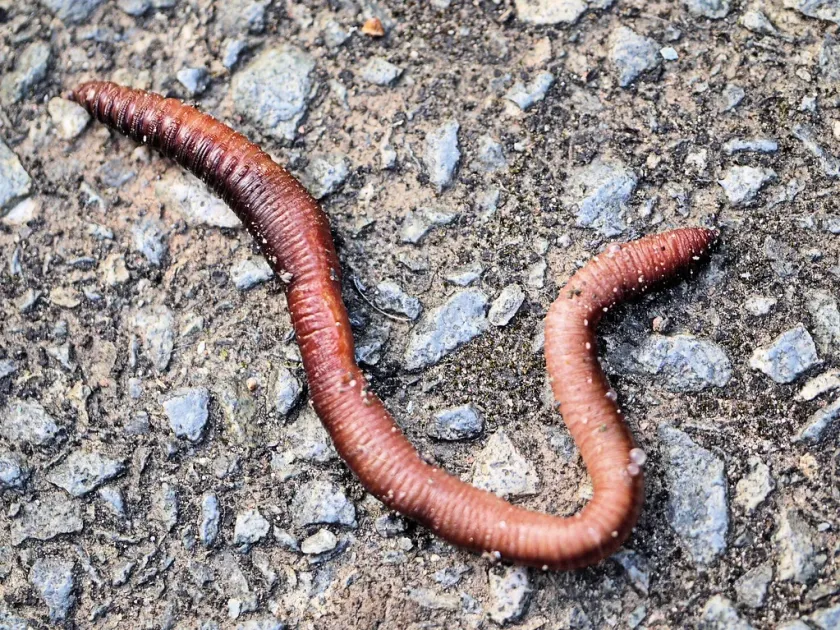
The genus Eisenia, specifically Eisenia fetida, belongs to the family Lumbricidae. These are segmented worms often characterized by a reddish-brown or striped appearance.
Adult specimens typically range from 6 to 13 centimeters in length and feature a prominent clitellum, which becomes visible once the worm reaches sexual maturity.
A notable defense mechanism is the secretion of a pungent, yellowish fluid when the worm is disturbed, which carries a distinct, unpleasant odor.
They naturally thrive in organic-rich matter, but in confined containers or specific agricultural settings, they may switch their focus to alternative food sources.
The reproductive cycle involves laying cocoons, from which young worms emerge under favorable temperatures (15–25°C) and begin rapid growth.
What it damages
Eisenia can become a pest in greenhouses, nurseries, and container-grown plants where natural ecological balances do not apply.
Damage occurs when worms create numerous tunnels in the root zone, loosening the soil too much and breaking the vital contact between the roots and nutrients.
When soil organic matter is scarce, these worms may feed on young, delicate roots, causing stunted growth, yellowing leaves, and potential plant death.
Mechanical damage to the roots creates entry points for various soil-borne pathogens, including fungi and bacteria, leading to root rot.
Seedlings of vegetables and ornamental plants grown in high-peat or compost-based mixes are particularly vulnerable to infestations.
Signs of infestation
The presence of fine, granular worm casts (excrement) on the surface of the soil in pots or seed trays is the most reliable sign of an infestation.
A sudden sinking or settling of the soil level after watering indicates that the internal structure has been compromised by worm tunnels.
Plants may show signs of wilting despite being well-watered, which is a direct consequence of the roots being displaced or severed by the worms.
Physical inspection of the root ball often reveals the presence of adult worms or small cocoons buried within the substrate.
Noticeable differences in growth rate compared to other plants in controlled conditions often suggest that the roots are being disrupted by soil-dwelling pests.
Control measures
Using sterilized substrates that have been heat-treated or frozen is the most effective way to prevent the introduction of worms into nursery pots.
Avoid using raw or uncomposted manure in potting mixes, as it provides an ideal breeding ground and food source for Eisenia populations.
Implementing physical barriers, such as fine-mesh netting over drainage holes, helps prevent worms from entering pots from the ground.
If an infestation is detected, applying gentle soil drenches can force worms to the surface, where they can be manually collected and removed.
Maintain proper irrigation management, as overwatering creates anaerobic conditions that drive worms upward into the root zone searching for oxygen.
Taxonomy
- Latin name
- Eisenia
- Family
- Lumbricidae
- EPPO code
- EISESP
Discussion
No discussions yet — be the first.