
Lissachatina zanzibarica
Lissachatina zanzibarica
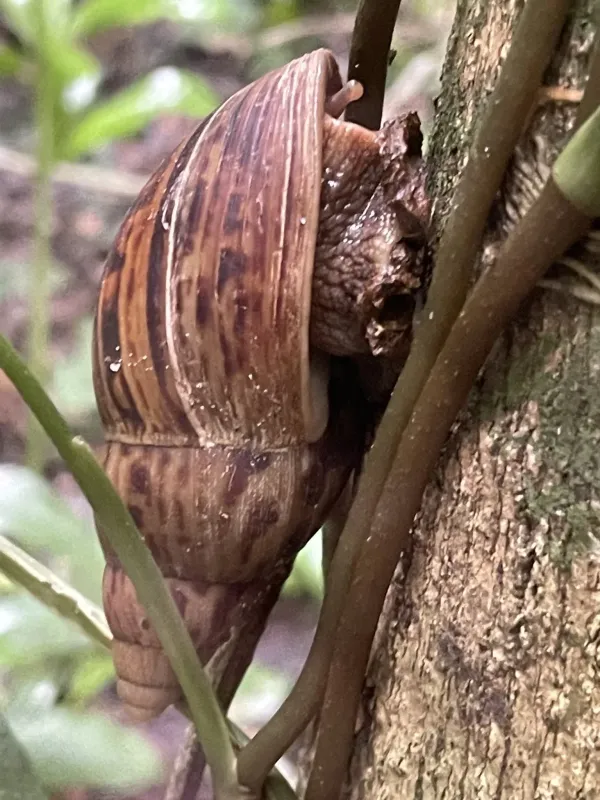
Description
How to identify
Lissachatina zanzibarica is a large terrestrial mollusk belonging to the family Achatinidae. This species is characterized by a conical shell that can grow to significant sizes, making it a formidable invasive pest in tropical and subtropical agricultural regions around the globe.
The coloration of the soft body and the pattern on the shell vary from light brown to yellowish with distinct dark bands. Unlike other related giant African land snails, this specific species features a unique shell aperture structure, which serves as a key diagnostic feature for precise identification by experts.
These snails are primarily nocturnal, favoring damp, shady, and humid environments where they can remain protected from harsh sunlight. They exhibit high survival rates due to their ability to enter estivation—a state of dormancy—during periods of drought, allowing them to wait out unfavorable conditions.
The life cycle involves depositing eggs in the topsoil or damp organic debris. Once hatched, the juveniles begin feeding on plant tissues almost immediately, demonstrating rapid growth and high metabolic activity, which fuels the expansion of their population across agricultural fields.
The high reproductive rate allows Lissachatina zanzibarica to colonize new areas rapidly when food sources are abundant. As a major pest, it requires consistent monitoring and prompt action to prevent the infestation from reaching levels that threaten the entire crop yield.
What it damages
Lissachatina zanzibarica is a generalist herbivore capable of consuming a wide array of agricultural crops. It shows a strong preference for leafy vegetables, including tomatoes, cucumbers, zucchini, and various types of cabbage, causing severe damage to leaves and stems.
Beyond vegetable crops, this mollusk poses a significant threat to decorative ornamental plants and young fruit tree saplings. In intensive farming systems, the snail can decimate nursery beds and young seedlings in a matter of days, leading to substantial financial losses and failed harvests.
Cucurbitaceous crops are also highly vulnerable, as the snails feed not only on the foliage but also on the developing fruit. This feeding behavior reduces the marketability of produce and leaves open wounds that become entry points for various fungal and bacterial pathogens.
Root vegetables like carrots and beets are often attacked when soil moisture levels are high, allowing snails easy access to the roots. Such damage promotes rot and renders the produce unfit for both consumption and long-term storage after the harvest.
The pest's impact is not limited to mere consumption of tissue; the destruction of stems and growing points leads to physiological stress in the plants. This interference with nutrient flow often results in the stunted growth or complete death of the affected agricultural plants.
Signs of infestation
The most reliable sign of a snail infestation is the presence of shiny, dried mucus trails left on leaves and stem surfaces. These silver-colored streaks are particularly visible in the early morning hours, indicating the nocturnal movement of the pests.
Leaves affected by this mollusk show characteristic jagged edges or large, irregular holes. In severe infestations, the snails can skeletonize the foliage, leaving only the veins behind, which is a clear indicator of a high population density in the garden or field.
The disappearance of young seedlings overnight is another common sign of feeding. If garden beds show sudden loss of emerging sprouts, it is highly likely that snails are feeding in the immediate vicinity and should be searched for during the night.
Clutches of eggs found in the soil or under debris look like small, pearly, white or yellowish clusters. Locating these egg masses is a proactive strategy to reduce the next generation of pests before they emerge and begin causing damage to the crop.
Visual confirmation during night hours using a flashlight is the most accurate method to diagnose an infestation. Seeing the snails actively feeding allows for a quick assessment of the threat level and helps in determining the necessary intensity of control measures.
Control measures
Mechanical control through manual collection is the most eco-friendly and effective approach for small-scale gardens. Collecting the snails by hand in the evening or after rain, when they are most active, can significantly reduce the pressure on your crops.
Installing physical barriers around garden beds can prevent snail migration. Materials such as crushed gravel, sharp sand, lime, or wood ash create an uncomfortable surface for the mollusk's foot, effectively deterring them from crossing into the protected area.
Chemical control involving molluscicides, such as those containing metaldehyde or iron phosphate, can provide rapid reduction of the pest population. It is essential to follow label instructions strictly to minimize the impact on non-target species and ensure food safety.
Agricultural practices focusing on habitat modification can make the environment less hospitable. Regular weeding, clearing of debris, and proper spacing between plants improve air circulation and reduce humidity, depriving the snails of their favorite moist hiding spots.
- Schedule irrigation for the morning to allow soil to dry out before nighttime.
- Use beer or fermented fruit juice traps to attract and capture snails efficiently.
- Apply mulch made of pine needles or other repellent textures to protect plant bases.
- Promote the presence of natural predators, such as hedgehogs and predatory ground beetles.
Taxonomy
- Latin name
- Lissachatina zanzibarica
- Order
- Molluscs
- Family
- Achatinidae
- EPPO code
- ACHAZA
Discussion
No discussions yet — be the first.