
Limicolaria
Limicolaria
Description
How to identify
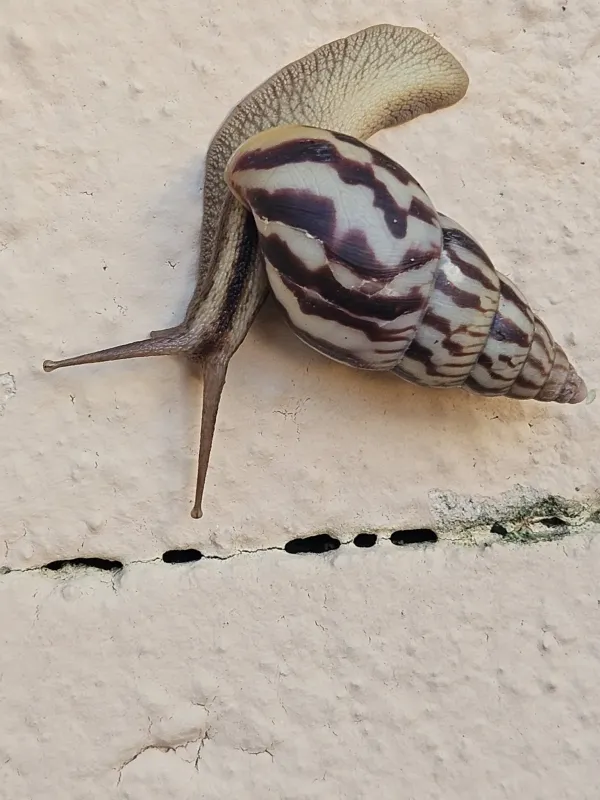
Limicolaria is a genus of land snails belonging to the family Achatinidae. These mollusks are recognized by their conical, often patterned shells which can vary significantly depending on the specific species within the genus.
They are primarily tropical in origin, but in agricultural settings, they are often considered invasive pests in greenhouses, nurseries, and warm-climate garden environments where moisture levels are high.
Their life cycle revolves around the availability of moisture and organic matter. Being hermaphroditic, they can reproduce rapidly, with a single individual capable of laying dozens of eggs in the soil, leading to quick population explosions.
During the daylight hours, these snails are typically inactive, preferring to hide in the soil, under plant debris, or in dense vegetation to prevent desiccation. They emerge at night or during overcast, wet weather to feed.
Understanding their preference for damp, nutrient-rich environments is essential for effective monitoring and early detection within any horticultural system.
What it damages
Limicolaria are generalist herbivores, known as polyphagous pests. This diet flexibility allows them to attack a wide range of horticultural, vegetable, and ornamental crops, often causing severe economic losses.
The most susceptible crops include tender seedlings such as lettuce, cabbage, and young vegetable transplants. The snails consume entire leaves, often leaving only the main veins behind, which can kill young plants outright.
They frequently damage fruit and vegetables, boring holes into the tissue. This not only makes the produce unmarketable but also opens the door for opportunistic pathogens and rot-inducing bacteria to settle in.
Ornamental flowers are also frequently targeted, with snails disfiguring petals and stems, significantly reducing the aesthetic and commercial value of plants in greenhouses and nurseries.
- Complete loss of young transplants and seedlings.
- Destruction of foliage leading to decreased photosynthetic capacity.
- Bored holes in maturing fruit and vegetables.
- Transmission of plant diseases through contaminated mucus trails.
Signs of infestation
The most visible sign of a Limicolaria infestation is the characteristic glistening trail of mucus left on the soil, leaves, and greenhouse surfaces as they move.
Ragged, irregular holes in the leaves are a classic symptom of snail feeding. Unlike insect damage, these lesions are often large, messy, and lack the precision seen in some caterpillar or beetle attacks.
Checking the underside of pots, logs, or deep within mulch often reveals the presence of adult snails hiding from the sun. During daytime, it is common to find them buried just below the surface of the moist soil.
Clusters of small, spherical eggs found in the upper soil layers or under damp organic matter are definitive proof of an established, reproducing population of the pest.
Visible decline in the health and vigor of a plant, accompanied by signs of nocturnal feeding, confirms that these mollusks have likely settled in the area and require immediate intervention.
Control measures
Managing Limicolaria requires an integrated approach that focuses on habitat modification and direct removal. Eliminating breeding sites, such as piles of debris or standing water, is the first step toward effective control.
Manual removal during the early morning or evening hours is highly effective for small-scale operations. Once collected, the snails can be destroyed by placing them in a concentrated saline solution.
Trapping techniques, such as using beer traps or containers filled with fermented bait, can significantly reduce adult snail numbers without the need for broad-spectrum chemicals.
Chemical control via molluscicides containing iron phosphate is a common professional practice. These products are generally safe for the environment and provide effective protection when applied around the perimeter of the crop.
Maintenance of dry conditions around the base of plants, especially in greenhouses, creates a physical barrier that restricts snail movement and reduces the overall reproductive potential of the colony.
Taxonomy
- Latin name
- Limicolaria
- Order
- Molluscs
- Family
- Achatinidae
- EPPO code
- LIMISP
Discussion
No discussions yet — be the first.