
Archachatina
Archachatina
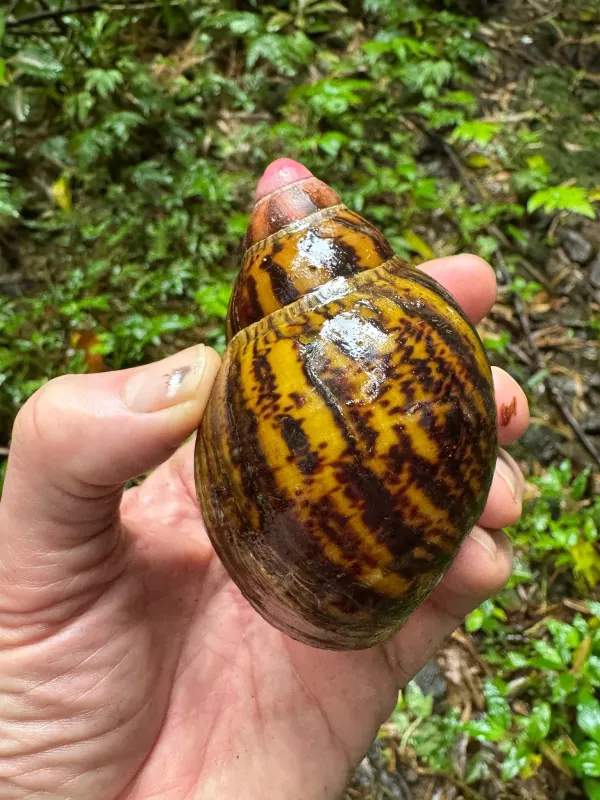
Description
How to identify
Archachatina is a genus of large, air-breathing land snails belonging to the family Achatinidae. These mollusks are easily recognized by their massive, robust shells, which often have a rounded, blunt apex and a distinctive textured surface.
Unlike many other garden snails, Archachatina species possess a very fleshy body and can reach significant sizes, especially in tropical or greenhouse environments. Their growth rate is heavily influenced by high humidity and moderate temperatures.
The life cycle of these snails includes the production of large, calcareous-shelled eggs typically laid in damp soil or decaying vegetation. Their ability to adapt to artificial environments makes them a persistent threat to ornamental plants and crops.
They are primarily nocturnal animals, spending daylight hours hidden beneath debris, mulch, or deep within the soil. Their behavior is characterized by persistent movement during the night to locate food sources.
Proper identification of the genus is important as they differ in size and reproductive strategies from common local snail species. Their presence often indicates an environment with consistently high moisture levels.
What it damages
Archachatina snails are opportunistic polyphagous pests, meaning they feed on a vast range of plant species. They pose a significant threat to young seedlings, leafy vegetables, and high-value ornamental crops.
The damage caused by these snails includes total consumption of tender leaves, leaving behind only the toughest veins. This defoliation can kill small plants or severely reduce the vigor of larger ones.
Beyond direct feeding, they leave behind trails of mucus and fecal matter. This waste attracts fungi and bacteria, leading to the onset of rot and various plant diseases that can spread rapidly throughout a garden bed.
In greenhouses, Archachatina can destroy fruit crops like tomatoes or strawberries by carving deep holes into the flesh. This not only ruins the produce but also creates entry points for secondary infections.
Young plants are particularly vulnerable, as a few adult snails can decimate a tray of seedlings in a single night. The total loss of vegetation can occur within a very short timeframe during peak activity periods.
Signs of infestation
The most diagnostic sign of an Archachatina infestation is the presence of large, jagged holes in leaves. These are created by the snail's radula, which rasps away plant tissue in irregular patterns.
Shiny, silvery trails of dried mucus on soil, paths, or plant stems are definitive proof of snail activity. These trails are most visible during the early morning hours before the sun evaporates the residue.
You may also find small, dark, cylindrical fecal pellets around the base of damaged plants. These droppings are a clear indicator of the intensity of feeding occurring in the immediate area.
Check damp, dark locations such as the underside of pots, beneath piles of garden waste, or under thick layers of mulch. These are the preferred hiding spots for Archachatina during the daytime.
Wilting of young shoots or stunted growth despite adequate water is often a sign of damage to the plant's vascular system or roots, which these snails may occasionally feed upon during heavy infestations.
Control measures
Chemical control using molluscicides (often in pellet form) is effective but must be handled with extreme care. Place these treatments where snails congregate while ensuring they are kept away from pets and non-target wildlife.
Manual removal is the most environmentally friendly method, especially in smaller garden settings. Conduct searches at night with a flashlight or create traps using damp planks that can be lifted the following morning.
Cultural control involves modifying the habitat to be less hospitable. This includes regular weeding, removing damp hiding spots, and improving drainage to reduce the humidity levels that these snails thrive in.
Physical barriers such as wood ash, crushed eggshells, or copper tape can be placed around sensitive plants. These materials create an irritating or difficult surface that makes it hard for the snails to reach the plant.
Encouraging biodiversity can provide natural pest control. Predatory species such as toads, frogs, and certain ground beetles are known to feed on snails and can significantly limit their population if left undisturbed.
Taxonomy
- Latin name
- Archachatina
- Order
- Molluscs
- Family
- Achatinidae
- EPPO code
- ACHHSP
Discussion
No discussions yet — be the first.