
Lissachatina
Lissachatina
Description
How to identify
Lissachatina, commonly known as the Giant African Snail, belongs to the order Stylommatophora and the family Achatinidae. These large gastropods are among the most significant terrestrial mollusc pests in many parts of the world.
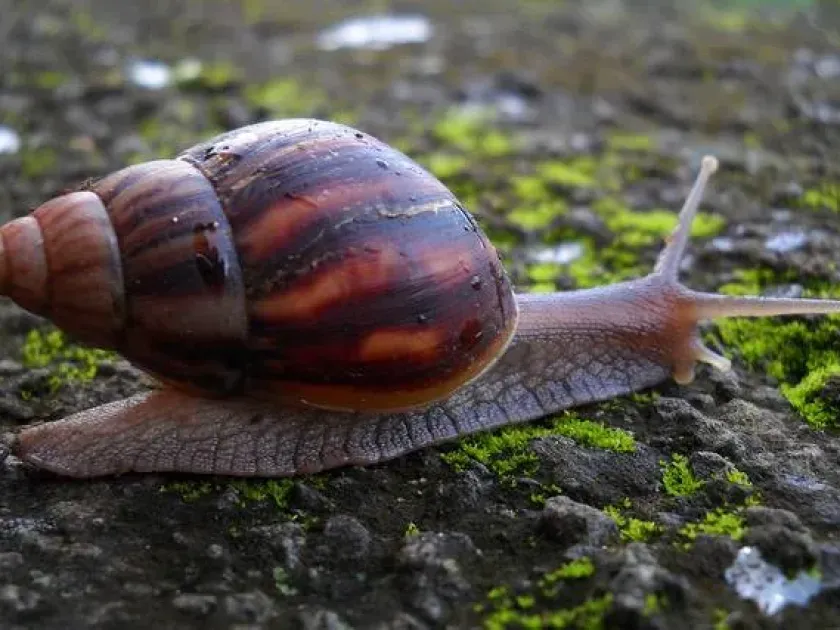
The shell of the snail is characterized by a conical shape, often reaching up to 20–30 centimeters in length. The coloration usually displays brown, tan, and cream-colored bands, providing excellent camouflage in natural environments.
These snails are nocturnal creatures that thrive in high humidity and warm climates. During the day, they remain sheltered under debris, in soil, or in damp vegetation to avoid dehydration and sun exposure.
Biological reproduction is highly efficient, as these hermaphroditic snails can produce large numbers of eggs throughout the year. A single individual can lead to a rapid population boom if environmental conditions remain favorable.
The lifecycle includes a resilient egg stage, a juvenile growth phase, and a long adult stage. Due to their adaptability, they can survive in various environments, from tropical forests to urban gardens.
What it damages
Lissachatina is a notorious polyphagous pest, capable of consuming over 500 species of plants. They cause extensive damage to agricultural produce, including vegetables, fruits, and ornamental plants.
Seedlings and young plants are particularly susceptible to complete destruction by snail feeding, which can devastate entire crops in a very short time. They consume leaves, stems, and fruits, leaving crops unsellable.
Beyond direct feeding damage, they leave behind slimy trails that can act as vectors for various plant pathogens. The presence of mucus can also interfere with the normal physiological processes of the plant.
They are also considered a threat to human and animal health, as they can carry parasites such as lungworms. This makes them a high-priority quarantine pest in many jurisdictions across the globe.
The economic impact of a Lissachatina infestation can be severe, often leading to total loss of harvest and requiring significant investment in eradication programs and crop protection measures.
Signs of infestation
The most recognizable sign of infestation is irregular holes found in leaves, often starting from the edges. Shiny, dried-up mucus trails left on soil, leaves, and structures are clear indicators of their activity.
You may find the snails themselves during early morning or night inspections, particularly in damp areas near vegetation. Dark, elongated excrement pellets are also frequently found near feeding sites.
Clutches of small, white, calcified eggs are often found buried in moist soil or hidden under garden waste. Discovering these clusters is a strong warning sign of a growing local population.
Damaged fruits or vegetables often show deep, scooped-out lesions that quickly deteriorate due to opportunistic fungal infections. Any sign of such degradation should trigger an immediate search for the snails.
Repeated destruction of new growth is a classic indicator that snails are present in the garden. Keeping track of the patterns of damage helps in locating the snail's daytime hiding spots.
Control measures
Manual collection remains the most practical method for small gardens. Removing snails by hand during evening hours or following rainfall is highly effective at reducing the immediate population.
Chemical control involving molluscicides, such as metaldehyde-based baits, can be used. These must be applied carefully to prevent harming non-target organisms and domestic animals.
Cultural control practices, such as removing weeds and garden debris, are essential for limiting suitable hiding spots. Maintaining clear, dry areas around plants can discourage snails from settling.
Physical barriers, such as copper tape, ash, or crushed eggshells, can provide localized protection. These barriers disrupt the snails' ability to travel across sensitive areas to reach your crops.
In larger agricultural areas, quarantine measures are the first line of defense to prevent the spread of the species. Biological control options are being researched, focusing on specific predators and natural enemies of the snails.
Taxonomy
- Latin name
- Lissachatina
- Order
- Molluscs
- Family
- Achatinidae
- EPPO code
- LISCSP
Discussion
No discussions yet — be the first.