
Limicolaria kambeul
Limicolaria kambeul
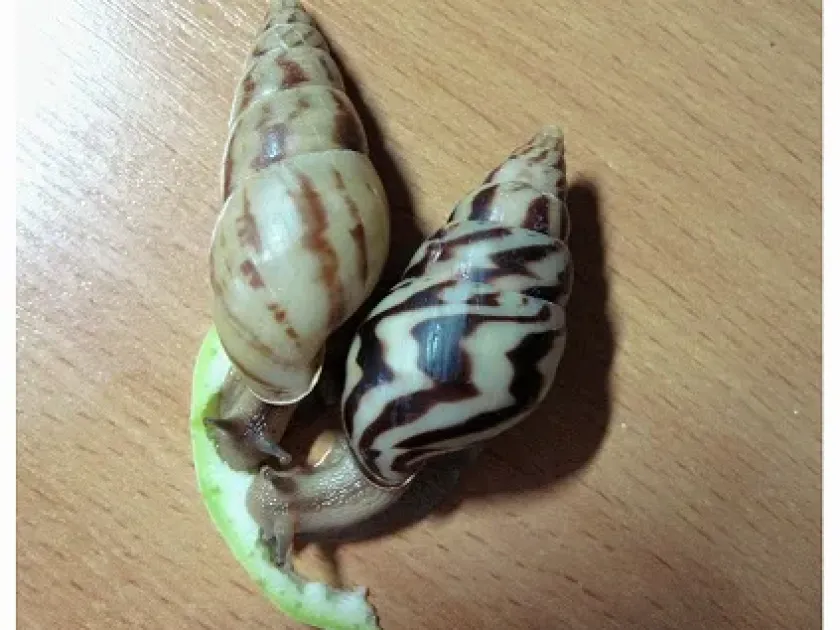
Description
How to identify
Limicolaria kambeul is a species of large land snail belonging to the family Achatinidae. It is characterized by an elongated, conical shell often adorned with distinct vertical stripes that provide camouflage in the natural environment.
The body color of this mollusk ranges from light beige to dark brown. As a hermaphrodite, the species is capable of rapid reproduction, which allows it to establish large populations quickly in favorable climates, often becoming an invasive pest.
This snail is highly adaptable, thriving in both tropical climates and sheltered agricultural environments. Its biology makes it a persistent feeder, capable of consuming significant amounts of plant matter throughout its life cycle.
Expert identification of Limicolaria kambeul involves examining the shell aperture and specific ornamental patterns. Correct identification is crucial for farmers to determine the appropriate management strategy and avoid confusion with other, less harmful species.
Given its high fecundity, the presence of even a few individuals can lead to a severe infestation within a single season. Monitoring for signs of their presence is a critical part of maintaining agricultural integrity in affected regions.
What it damages
This species is a polyphagous pest, feeding on a wide range of vegetable crops, including cabbage, lettuce, tomatoes, and various seedlings. Its feeding habit can cause total destruction of young plantations in a short period.
The snail uses its radula to scrape away plant tissue, resulting in large, irregular holes in the leaves. In many cases, it feeds on the plant stem at the base, leading to the collapse and death of the plant.
Apart from annual crops, Limicolaria kambeul causes significant damage to woody plants and fruit trees by consuming bark and young shoots. This stress weakens the plants, making them more susceptible to drought and pathogens.
In greenhouses, these snails pose a serious threat to ornamental flowers and potted plants. Their feeding activity significantly reduces the marketability of the produce, leading to substantial financial losses for growers.
Furthermore, these snails act as vectors for various plant pathogens. The combination of tissue damage and the introduction of bacteria through their mucus makes the plants highly vulnerable to rotting and fungal diseases.
When it appears
The activity of Limicolaria kambeul is strictly governed by moisture levels and ambient temperature. They are most active during rainy seasons or when the evening humidity is high.
During daylight hours, the snail remains inactive, hiding in the soil, under debris, or within dense vegetation. This behavioral pattern makes it difficult to detect them before damage becomes widespread.
Feeding typically occurs from dusk until dawn. This nighttime behavior is why agricultural scouts focus their inspections on the late evening hours to observe the snails in action and assess the density of the infestation.
During dry, hot weather, the snails enter an estivation phase, burying themselves deep in the soil to survive. This allows them to endure periods of drought and reappear as soon as conditions improve.
Optimal temperatures for development range from +20°C to +28°C. In these conditions, the snail’s life cycle is accelerated, leading to multiple generations per year and a rapid increase in the overall population size.
Signs of infestation
The most visible indicator of an infestation is the presence of silvery, dried mucus trails on leaves or across the soil surface. These trails are characteristic of snail movement and are best seen in the early morning.
Leaf damage appears as large, jagged-edged holes. In many cases, the tissue around the feeding site begins to show signs of necrosis or wilting due to bacterial contamination introduced by the snail.
Regular inspections of shaded areas, under boards, or near decomposing organic matter often reveal groups of juvenile snails. Finding clusters of these individuals is a clear sign that a breeding population is present.
The accumulation of small, cylindrical excrement pellets around the base of plants or under leaves is another reliable sign of a high population density in the immediate area.
- silvery mucus trails on soil and leaves;
- irregular holes with ragged edges;
- damaged plant stems at the base;
- presence of snail excrement pellets;
- clusters of snails found in shaded, moist areas.
Control measures
Chemical control involving molluscicides, specifically those containing metaldehyde, is the most common method for managing Limicolaria kambeul. These are typically applied as pellets in high-traffic areas.
Cultural control is equally important and involves removing plant debris, weeds, and other materials that serve as daytime refuges for the snails. Keeping the field or greenhouse clean reduces the likelihood of colonization.
Mechanical barriers, such as copper tape, ash, or eggshells, can be placed around sensitive crops to deter the snails. These materials create an uncomfortable surface that the mollusks will generally avoid.
Hand-picking the snails at night is a viable option for small-scale gardening or organic farms. Additionally, beer or yeast-based traps can be used to attract and capture the pests effectively.
Strict quarantine measures should be implemented when importing nursery stock from regions known to harbor the species. Thorough inspection and preventative treatment are essential to prevent the spread of this pest to new areas.
Taxonomy
- Latin name
- Limicolaria kambeul
- Order
- Molluscs
- Family
- Achatinidae
- EPPO code
- LIMIKA
Discussion
No discussions yet — be the first.