
Admiral butterflies
Limenitis
Description
How to identify
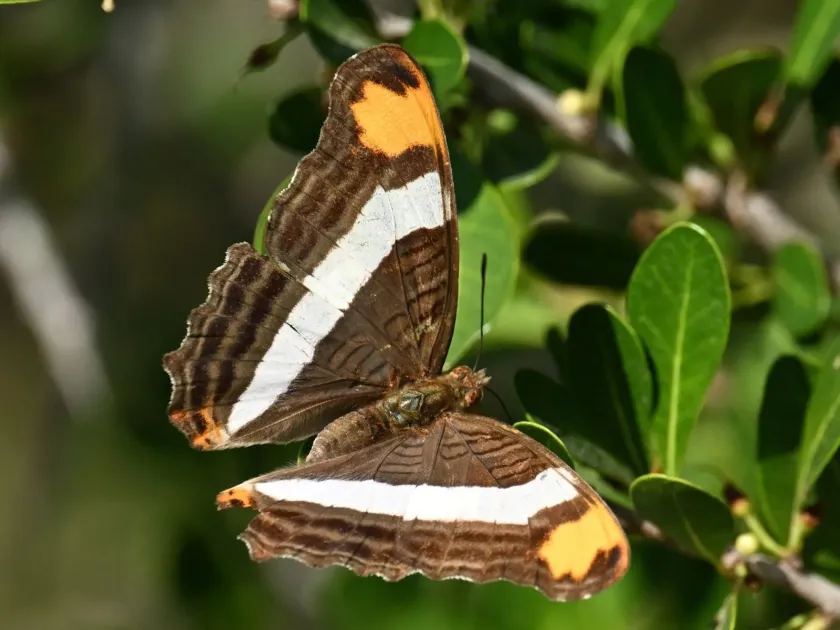
Admiral butterflies, belonging to the genus Limenitis, are part of the Nymphalidae family. Adult butterflies typically feature dark wings with distinct white bands, making them recognizable in garden environments.
The larvae, or caterpillars, have a unique appearance characterized by spiky tubercles and a mottled color pattern that mimics bird droppings, providing excellent camouflage against avian predators.
The life cycle undergoes complete metamorphosis, consisting of eggs, larvae, pupae, and adults. Hibernation occurs during the larval stage within leaf structures known as hibernacula.
Adults are typically active on sunny days, seeking nectar and tree sap. They are commonly found in woodland edges, parks, and gardens adjacent to their host plant habitats.
The distribution of the genus spans across the temperate regions of the Northern Hemisphere, with population density heavily dependent on the availability of preferred host tree species.
What it damages
The damage is caused primarily during the larval stage, as caterpillars are voracious feeders that consume the foliage of various deciduous trees and shrubs.
Host plants often include willow, aspen, poplar, and occasionally various fruit-bearing trees belonging to the Rosaceae family if they grow near woody areas.
Feeding damage manifests as skeletonized leaves or irregular, large holes in the leaf blades, which can severely impact the photosynthetic capacity of the plant.
Severe infestations can lead to significant defoliation, which is particularly detrimental to young nursery stock, hindering their growth and overall vitality.
While mature trees can usually withstand minor feeding, cumulative damage in horticultural settings can reduce plant vigor and aesthetic quality.
Signs of infestation
The most common sign of infestation is the presence of unevenly eaten leaves, where large portions of the leaf tissue have been consumed by feeding caterpillars.
During the dormant season, gardeners can identify hibernacula — dry leaves tightly rolled and secured with silk to the twigs — which protect the overwintering larvae.
The physical presence of the larvae, with their distinct bumpy and spiky bodies, on the underside of leaves or along stems is a clear indicator of their activity.
The accumulation of caterpillar frass on the leaves below feeding sites is another sign that active herbivory is occurring within the tree canopy.
In spring and summer, the flight of adult butterflies near host trees suggests that egg-laying is taking place, necessitating further monitoring of the foliage.
Control measures
Mechanical control through the removal and destruction of overwintering nests (hibernacula) during the winter months is a highly effective, non-chemical intervention.
For active caterpillar management, biological control agents such as Bacillus thuringiensis (Bt) are recommended as they target the larvae specifically while preserving beneficial insects.
Chemical intervention should be reserved for extreme infestations where young plants are at risk of significant defoliation and traditional biological methods prove insufficient.
Cultural practices, such as maintaining optimal soil moisture and nutrient levels, help trees recover faster from damage and increase their natural resilience.
- Inspect trees in early spring for overwintering nests.
- Manually remove and destroy hibernacula on twigs.
- Use selective biological insecticides to minimize environmental impact.
- Encourage biodiversity in the garden to attract natural predators.
Taxonomy
- Latin name
- Limenitis
- Order
- Lepidoptera (butterflies)
- Family
- Nymphalidae
- EPPO code
- LIMESP
Discussion
No discussions yet — be the first.