
Pumpkinseed
Lepomis gibbosus
Description
How to identify
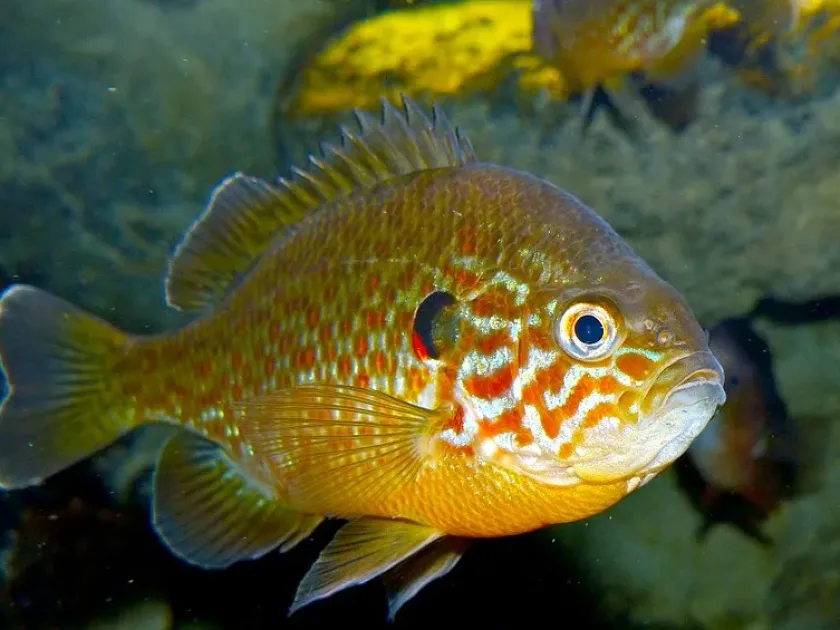
The pumpkinseed Lepomis gibbosus is a freshwater fish of the Centrarchidae family. It is characterized by a deep, laterally compressed body and vibrant coloration consisting of orange, green, and blue spots.
A key diagnostic feature of this species is a bright red spot on the posterior edge of the gill cover, which is especially prominent in breeding males.
The species displays remarkable ecological plasticity, allowing it to survive in varied environments, including waters with low dissolved oxygen levels.
Males are highly territorial and aggressive during the spawning season, vigorously defending their nest sites from any potential intruders or competitors.
Pumpkinseeds mature early and are prolific breeders, capable of spawning multiple times in a single season, which ensures rapid colonization of new water bodies.
What it damages
In aquaculture and pond management, the pumpkinseed is considered a serious pest because it acts as a direct food competitor to commercial species like carp.
It actively preys on the larvae and fry of valuable native fish, significantly reducing survival rates and leading to substantial economic losses for fish farmers.
The species consumes a wide range of prey, including zooplankton, macroinvertebrates, and fish eggs, which disrupts the natural trophic structure of pond ecosystems.
Infestation by pumpkinseeds leads to the degradation of the fish stock quality, forcing operators to implement expensive eradication programs.
Because they are capable of surviving with minimal resources, they quickly become a dominant species in closed water systems, displacing more desirable fish populations.
When it appears
The period of greatest activity and potential damage occurs during the warmer months, typically from late spring through early autumn.
Optimal spawning conditions occur at temperatures between 15°C and 25°C, coinciding with the most sensitive growth stages of commercially farmed fish.
During the summer, pumpkinseeds maintain high metabolic rates and aggressive foraging patterns, causing maximum depletion of pond resources.
As water temperatures drop in the autumn, the fish begin to aggregate and prepare for winter, though they continue to feed actively until the temperature falls significantly.
The spring warming marks the beginning of the breeding season, when the impact on native and farmed fish populations is most acute due to nest-building activities.
Signs of infestation
One of the clearest signs of an infestation is the presence of numerous small, circular, cleaned-out depressions on the sandy bottom of shallow shorelines.
A noticeable decrease in the yield of fry during pond harvesting, despite proper feeding protocols, often points to the presence of pumpkinseeds as competitors.
Frequent sightings of small, brightly colored fish in shallow, vegetated areas of the pond indicate a high population density of the invasive species.
Monitoring changes in the species composition of catch samples often reveals an increasing percentage of pumpkinseeds relative to other fish species.
Evidence of egg predation, such as damage to the nests of other species or a lack of recruitment of native species, is a strong indicator of an invasive threat.
Control measures
Total pond drainage and winter freezing of the pond bottom is the most effective method to eliminate all life stages of the pumpkinseed from a facility.
In cases where drainage is not feasible, biological control via stocking with predatory fish such as northern pike can help regulate and suppress the population.
Frequent use of fine-meshed nets during routine pond maintenance can assist in removing adult pumpkinseeds before they have a chance to reproduce.
Strict biosecurity measures should be enforced when sourcing new fish stock to prevent the accidental introduction of eggs or larvae into clean ponds.
Chemical remediation and pond disinfection are last-resort measures and must be executed in accordance with environmental regulations and expert consultation.
Taxonomy
- Latin name
- Lepomis gibbosus
- Family
- Centrarchidae
- EPPO code
- LEPMGI
Discussion
No discussions yet — be the first.