
Pumpkinseed
Lepomis
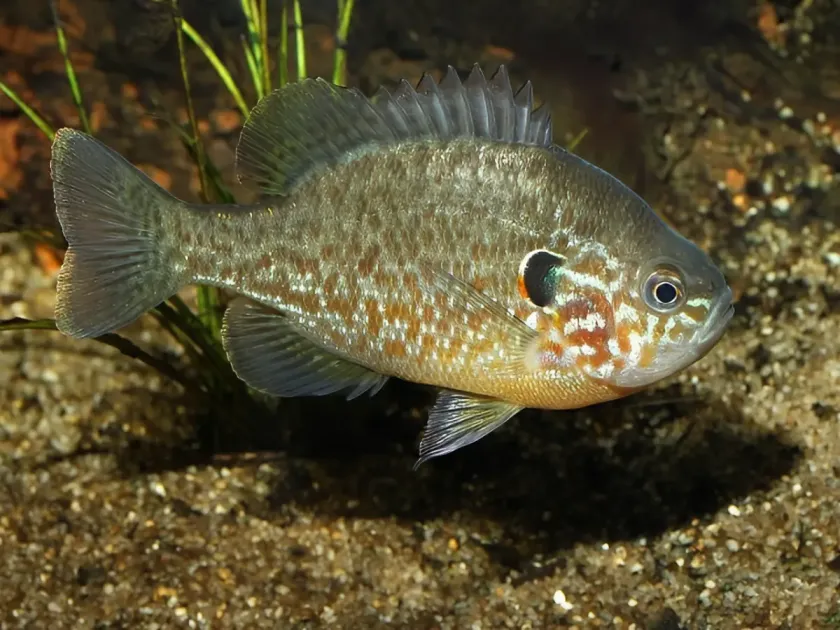
Description
How to identify
The genus Lepomis, commonly known as the pumpkinseed (Lepomis gibbosus), belongs to the family Centrarchidae. These are freshwater fish characterized by a deep, laterally compressed body and vibrant, multi-colored skin patterns.
Adults typically measure between 15 and 20 cm in length. A defining physical trait is the black opercular flap (the "ear") which features a distinct red or orange spot on the margin of the gill cover.
This species is highly adaptable and invasive in many regions outside of its native North American range. They thrive in stagnant or slow-moving waters where dense aquatic vegetation provides cover.
The biology of Lepomis is marked by high reproductive efficiency. Males dig nests in the substrate and defend them aggressively, which ensures high egg and fry survival rates in various environmental conditions.
Due to their hardy nature and aggressive defense of territory, pumpkinseeds easily outcompete native fish species for nesting sites and food resources, making them a problematic species in aquatic ecosystems.
What it damages
The primary damage caused by Lepomis in aquaculture is direct competition with commercial species like carp. They prey on the eggs, larvae, and fry of more valuable fish, significantly reducing yield.
Pumpkinseeds are omnivorous and aggressively consume zooplankton, benthic invertebrates, and insect larvae. This depletes the food supply necessary for the development of stocked commercial fish.
By crowding out other species, they disrupt the natural balance of pond ecosystems. Their presence can lead to a decrease in the overall productivity of the water body and an increase in management costs.
Because of their spiny fins, they are rarely consumed by smaller predators, allowing their population to expand unchecked in many managed water bodies, leading to "stunting" of the overall fish community.
Furthermore, Lepomis can act as vectors for various parasites and diseases, posing a continuous health risk to other stock in fish farms and potentially causing widespread epizootics.
When it appears
Activity for Lepomis begins in early spring as water temperatures rise, typically reaching 12–15°C. This is when fish transition from their wintering areas to shallow, warmer water.
Summer is the peak season for growth and reproduction. During these months, the fish are most active in feeding and territorial defense, which is when they cause the most noticeable disruption to aquaculture.
Autumn brings a cooling period where activity levels begin to drop. Despite lower metabolic rates, they continue to feed actively until water temperatures reach critical low levels.
During the winter, pumpkinseeds enter a state of reduced activity and settle in deeper, more stable water. They are known for being cold-tolerant, which aids their survival in diverse climates.
Managers must focus their intervention efforts during the spring and summer months when the species is most vulnerable to trapping and most active in interfering with commercial fish stocks.
Signs of infestation
An early sign of a Lepomis infestation is the visual observation of small, brightly colored fish congregating near the shoreline or among aquatic weeds.
In the spring, circular, clean patches on the pond bottom signify the nesting sites where males are actively maintaining their territory and guarding eggs.
A decline in the growth rates and overall survival of juvenile commercial fish, despite adequate feeding, often indicates the presence of an competing invasive population.
During routine netting, the capture of individuals displaying the signature black gill flap with a colored margin is the definitive confirmation of their presence in the system.
Decreased water clarity and shifts in zooplankton density within the littoral zone can also serve as indirect indicators of an overpopulated pumpkinseed colony.
Control measures
The most effective method for eradicating Lepomis is the complete drainage and liming of fish ponds after harvest, which eliminates both adults and eggs from the substrate.
Biological control can be implemented by stocking native predatory fish such as pike or zander, which can prey upon the juvenile pumpkinseeds and keep the population under control.
Targeted removal using fine-meshed nets or specialized traps during the spawning season can significantly lower the reproductive success of the colony in small water bodies.
- Drain and lime ponds periodically
- Introduce predatory fish to suppress fry
- Use targeted trapping in nesting zones
- Screen water inlets to prevent migration
Strict biosecurity measures during the procurement of fish stock are essential to prevent the accidental introduction of Lepomis into healthy, commercial-grade fish ponds.
Taxonomy
- Latin name
- Lepomis
- Family
- Centrarchidae
- EPPO code
- LEPMSP
Discussion
No discussions yet — be the first.