
Lasiochilus pallidulus
Lasiochilus pallidulus
Description
How to identify
Lasiochilus pallidulus is a small insect belonging to the Anthocoridae family. Due to its diminutive size and cryptic coloration, this species is often overlooked during initial field inspections.
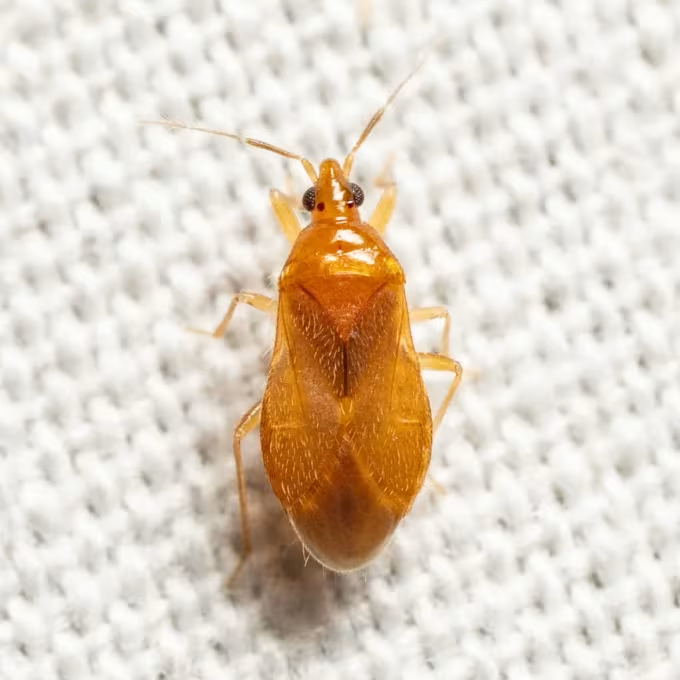
The adult insect has an elongated body, typically light yellow or pale brown in color. It is equipped with specialized piercing-sucking mouthparts designed to feed on plant sap.
Nymphs resemble smaller versions of the adults, although they lack fully developed wings. They progress through several growth stages, changing slightly in size and coloration as they mature.
These insects prefer secluded habitats, often residing in leaf axils, flower clusters, or beneath tree bark, which provides both protection and easy access to their food source.
As a member of the Anthocoridae family, this species is noted for its ability to occupy various niches within agroecosystems, occasionally shifting from predatory behavior to feeding on plant tissues when food sources are scarce.
What it damages
The primary damage is caused by the insect piercing plant tissues to extract sap. This mechanical injury, combined with the removal of vital nutrients, weakens the host plant significantly.
Crops most susceptible to these infestations include various fruit trees, berry bushes, and certain vegetable species. Young nursery transplants are particularly vulnerable to growth disruption.
Feeding sites often become entry points for secondary infections by fungi and bacteria. This can lead to localized necrosis, causing leaves and shoots to wither or become deformed.
Mass infestations can result in stunted growth, leaf yellowing, and premature senescence of foliage. This loss of photosynthetic capacity directly correlates to reduced overall crop yields.
Additionally, the presence of these pests reduces the marketability of produce due to the aesthetic damage and the sticky honeydew residues that facilitate sooty mold growth on plant surfaces.
When it appears
Activity usually begins in the spring as temperatures rise, signaling the emergence of adults from hibernation. They quickly seek out host plants to begin feeding and reproduction.
The peak of their activity occurs during the warmer summer months. Favorable weather conditions allow for multiple generations per season, which can lead to rapid population explosions.
As autumn approaches, the insects migrate to overwintering sites. They typically seek shelter in crevices, under loose bark, or within dense plant debris to survive the winter dormant period.
The lifecycle duration is highly dependent on ambient temperature, with warmer conditions significantly accelerating the transition between nymphal instars and the maturation of adults.
Regular monitoring should be performed throughout the growing season, starting from the bloom phase of fruit trees, to detect early population spikes before significant damage occurs.
Signs of infestation
Early signs of infestation manifest as small, pale dots on leaves, which gradually coalesce into larger chlorotic or necrotic spots as the tissue dies due to cell sap extraction.
Twisted or deformed shoots are clear indicators of feeding activity. When growth points are attacked, the plant often exhibits irregular development or loss of apical dominance.
Visible sticky exudates on the undersides of leaves or stems indicate the presence of sap-feeding insects. These secretions often promote the growth of black sooty mold fungus.
The presence of cast-off skins (exuviae) left behind by molting nymphs is a definitive sign of an active, breeding population residing within the foliage of the plant.
Flower cluster failure or blossom drop can occur if the insects concentrate their feeding on reproductive organs, which significantly impacts the final fruit set and crop productivity.
Control measures
An integrated pest management approach is essential for controlling Lasiochilus pallidulus. Early detection through regular scouting is the most effective way to prevent widespread outbreaks.
Cultural control measures include removing plant debris, weeds, and alternative host plants from the vicinity of fields or orchards to eliminate potential overwintering and breeding sites.
Biological control involves supporting local populations of natural predators, such as lacewings or predatory mites, which can effectively suppress the numbers of these pests in the ecosystem.
Chemical control should be applied when populations exceed the economic injury threshold. Systemic insecticides are generally effective as they target the insects directly during their feeding process.
It is vital to rotate insecticides with different modes of action to prevent the development of resistance in the pest population, ensuring long-term efficacy of the protection strategy.
Taxonomy
- Latin name
- Lasiochilus pallidulus
- Order
- Hemiptera (bugs, aphids, leafhoppers)
- Family
- Anthocoridae
- EPPO code
- LASKPA
Discussion
No discussions yet — be the first.