
Lambdina
Lambdina
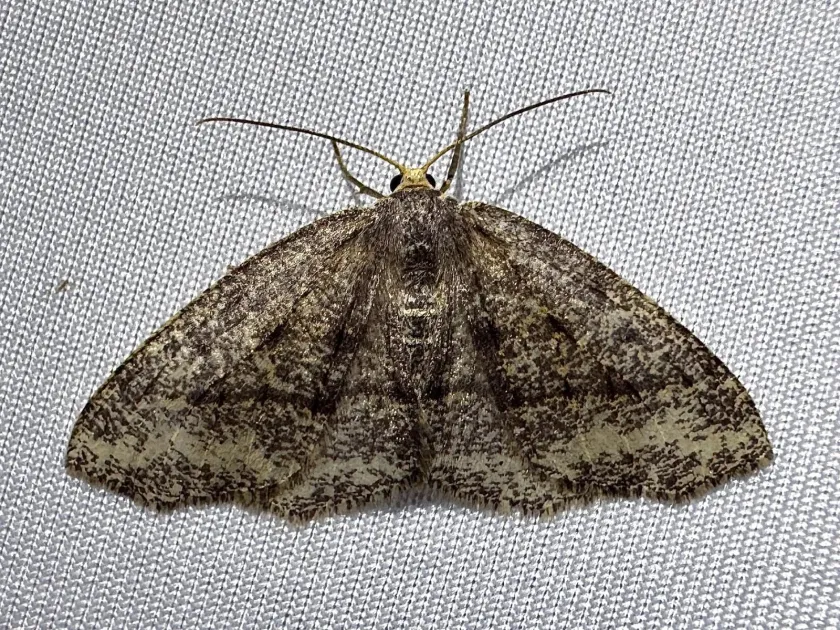
Description
How to identify
The genus Lambdina belongs to the family Geometridae within the order Lepidoptera. These moths are characterized by their medium size and cryptic coloration, which allows them to blend perfectly with the bark or foliage of their host trees.
The larvae, known as loopers or inchworms, have a distinctive gait due to the reduced number of abdominal prolegs. This movement, combined with their ability to mimic small twigs, serves as a primary defense mechanism against predators.
Their lifecycle follows a complete metamorphosis: egg, larva, pupa, and adult. Overwintering typically occurs at the pupal stage, often in the leaf litter or crevices of tree bark, providing them with necessary protection during colder months.
Adult moths are generally nocturnal and are frequently attracted to artificial lights. Egg-laying usually happens on the foliage or bark of host trees, with the number of generations per year varying depending on local climate conditions.
Accurate identification of specific Lambdina species often requires close examination of wing patterns and genital structures, as many species within this genus share morphological similarities while occupying different niches.
What it damages
Lambdina larvae are significant defoliators, particularly favoring coniferous trees like spruce, fir, and pine. In cases of outbreaks, they can cause extensive damage to vast areas of forest, stripping the needles from entire stands.
Beyond conifers, certain species in the genus are known to affect deciduous trees, including oak and maple. This flexibility in diet makes them a recurring problem in mixed forests, ornamental landscapes, and nursery settings.
The damage is caused by larvae feeding on needles or leaves. Severe defoliation weakens the trees, leading to reduced growth, susceptibility to drought, and increased vulnerability to secondary pests like wood-boring beetles.
Persistent outbreaks over several years can result in significant tree mortality. This represents a major economic impact for the forestry industry, affecting timber yield and the health of forest ecosystems.
In nursery environments, even a relatively small population of larvae can be devastating. They can destroy the aesthetic value and commercial viability of young saplings, requiring strict monitoring and early intervention measures.
Signs of infestation
The presence of Lambdina is often first revealed by the accumulation of frass (larval droppings) on the forest floor beneath infested trees. This fine debris indicates that larvae are actively feeding in the canopy.
Visual inspection of the canopy reveals patches of missing or damaged foliage. Needles may appear skeletonized or clipped, and as the season progresses, the entire tree may show significant thinning or browning.
Direct sighting of the larvae is difficult because of their protective coloration and habit of freezing in place. Observing their loop-like movement or identifying their silk webbing on branches are key diagnostic signs.
The flight period of adult moths, often observed in the evenings, serves as a clear indication of a population presence. Monitoring these flight patterns is crucial for predicting potential larval densities in the following cycle.
- Thinning of the tree canopy and premature needle drop.
- Small, dark frass pellets collecting on the ground.
- Visible silk strands used by larvae to move between needles or anchor themselves.
Control measures
Biological control is the most sustainable approach for managing Lambdina. The use of biopesticides based on Bacillus thuringiensis (Bt) provides targeted mortality for larvae while preserving beneficial insect populations.
Natural predators, such as parasitic wasps, predatory beetles, and insectivorous birds, play a vital role in regulating moth populations. Maintaining a healthy habitat for these natural enemies is essential for long-term suppression.
Pheromone-based monitoring tools are used to track moth activity and determine the precise timing for intervention. This data-driven approach helps minimize unnecessary chemical applications, adhering to integrated pest management (IPM) principles.
Chemical insecticides are used sparingly and only in cases of severe, uncontrolled outbreaks. They are typically reserved for critical areas such as high-value nurseries or urban parks where total defoliation is unacceptable.
Cultural practices, including maintaining tree vigor through proper fertilization and thinning overly dense stands, help trees resist and recover from pest attacks. Sanitary removal of highly infested or stressed trees can also reduce local populations.
Taxonomy
- Latin name
- Lambdina
- Order
- Lepidoptera (butterflies)
- Family
- Geometridae
- EPPO code
- LAMBSP
Discussion
No discussions yet — be the first.