
Kobus
Kobus
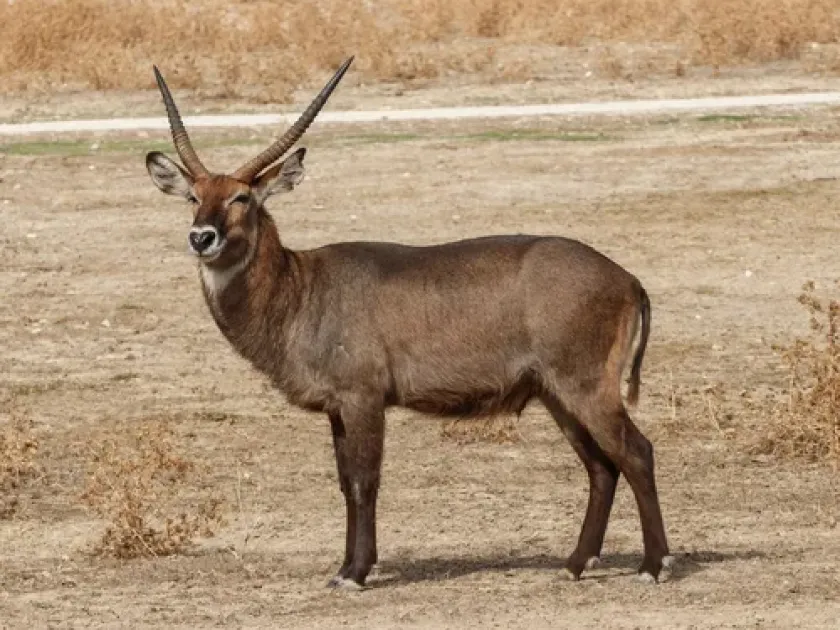
Description
How to identify
The genus Kobus represents a specific group of agricultural pests that are often overlooked due to their cryptic development patterns in soil or stems.
Adult insects are typically identified by their chitinous exoskeleton, which provides resistance to environmental stress and certain chemical agents.
Microscopic examination of the mouthparts and abdominal segments is necessary for precise species identification within the agricultural landscape.
Larvae often exhibit a pale, cylindrical body shape with distinct dark head capsules, making them recognizable to trained agronomic scouts.
Regular field surveys and pitfall traps are essential tools for identifying the presence and population density of this pest in diverse crop systems.
What it damages
This pest is known for attacking key cereal crops, where it causes significant physiological stress during the early growth stages.
By consuming roots and stem bases, the larvae disrupt the plant's ability to transport water and nutrients, leading to stunted growth or total plant death.
Internal stem feeding often leads to structural weakness, causing plants to break or lodge, which complicates the harvesting process.
Secondary damage often occurs as the pest facilitates the entry of soil-borne pathogens into the damaged plant tissues.
- Winter wheat
- Spring barley
- Rye
- Maize
- Various perennial grasses
When it appears
The biological cycle of this pest is highly dependent on spring temperatures, which trigger the emergence of adults from their overwintering sites.
Peak feeding activity usually aligns with the germination and tillering stages of cereal crops, posing a high risk to stand establishment.
During the summer, the population may undergo aestivation or move deeper into the soil profile to avoid excessive heat and dehydration.
Fall activity is characterized by the migration of adults to protected areas, including hedge rows and field margins, to prepare for winter.
Understanding these seasonal windows is critical for timing field scouting and implementing effective management interventions.
Signs of infestation
One of the earliest signs of infestation is the yellowing of the central leaf whorl in young cereal plants, often mistaken for nutrient deficiency.
Stunted patches within the field that appear suddenly are typical indicators of a concentrated larval attack on the roots.
Easily pulled plants with frayed or chewed root tips provide clear evidence of soil-dwelling larval activity beneath the surface.
Visible boreholes in the lower stem or discoloration of the stem base can indicate the presence of stem-boring developmental stages.
Reduced tillering and uneven canopy development throughout the field are long-term visual markers of pest-induced plant stress.
Control measures
Cultural control via crop rotation remains the most sustainable approach to breaking the pest life cycle and preventing population buildup.
Deep autumn tillage disrupts the overwintering habitat of the pest, significantly reducing the initial infestation pressure in the following spring.
Seed treatment with systemic insecticides provides a reliable protection layer during the germination phase, reducing the need for late-stage foliar sprays.
Monitoring population levels using standardized traps helps agronomists make informed decisions about the necessity and timing of chemical control.
Maintaining balanced fertilization and optimal soil health encourages faster plant recovery, mitigating the overall impact of pest damage on final yields.
Taxonomy
- Latin name
- Kobus
- Family
- Bovidae
- EPPO code
- KOBUSP
Discussion
No discussions yet — be the first.