
Jankowskia
Jankowskia
Description
How to identify
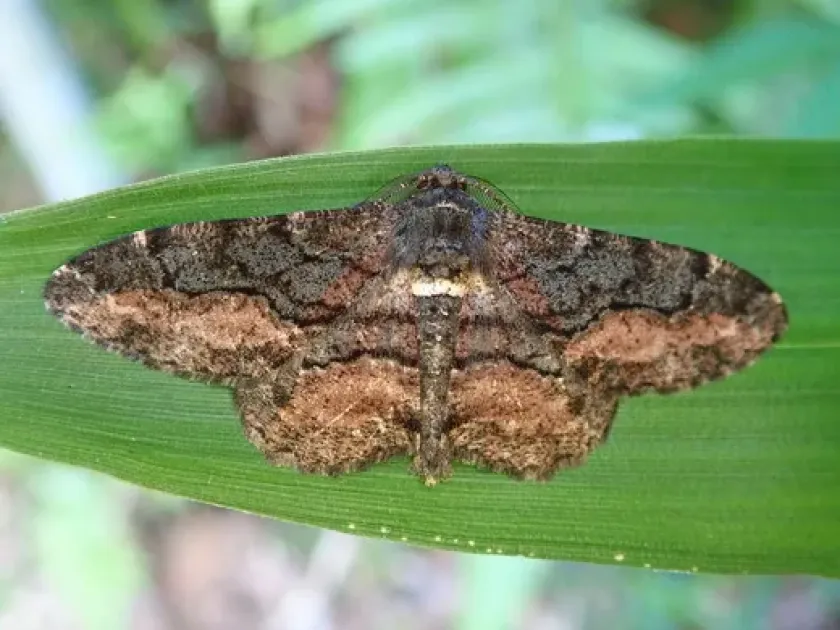
Jankowskia is a genus of moths belonging to the Geometridae family. Adult moths are characterized by slender bodies and broad wings, often exhibiting mottled grey or brown patterns that provide excellent camouflage against tree bark.
The larvae, commonly known as inchworms, move by arching their backs, a behavior caused by the reduction of abdominal prolegs. This unique locomotion is a hallmark of the Geometridae family.
Larval coloration ranges from vibrant green to earth-toned brown, allowing them to blend perfectly with the twigs and foliage of their host plants. Their heads are well-defined, featuring strong mandibles for leaf consumption.
Pupation typically occurs in the soil or within thin, concealed cocoons among fallen leaves. This stage is crucial for survival, as the insect spends the colder months protected in this dormant state.
Their life cycle includes complete metamorphosis: egg, larva, pupa, and imago. Each developmental stage is highly adapted to the specific seasonal rhythms of their forest or garden habitats.
What it damages
Jankowskia species primarily feed on deciduous trees and shrubs. Common host plants include maples, elms, and various fruit trees found in orchards or ornamental landscapes.
The larvae are open feeders, primarily active during night hours. In cases of high population density, they can cause severe defoliation, stripping branches of their leaves and hindering photosynthesis.
Young trees in nurseries are particularly vulnerable to these pests, as significant leaf loss can stunt growth, weaken the structural integrity of the plant, and reduce overall vigor.
Feeding injuries often compromise the integrity of the foliage, creating entry points for opportunistic fungal infections and bacterial pathogens that further damage the plant tissue.
In commercial orchards, infestation can indirectly reduce yield and fruit quality by diverting the tree's energy reserves from fruit production to recovering lost leaf mass.
When it appears
The activity of Jankowskia is closely tied to the phenology of host trees. The lifecycle typically begins in the spring, synchronized with the opening of tree buds.
Larval activity peaks during late spring and early summer, when the foliage is most succulent. This timing allows the insects to maximize nutrient intake during their growth phase.
The number of generations per year is temperature-dependent. Warmer climates may support two complete generations, whereas cooler northern regions usually see only one generation per season.
Adult flight periods are typically brief, during which mating and egg-laying occur. Monitoring these flights with light traps is a standard practice for predicting future larval outbreaks.
By mid-summer or early autumn, the larvae complete their feeding and descend to pupate, entering a diapause stage that ensures survival through the winter months.
Signs of infestation
Early signs of infestation include small, irregular holes appearing in the center of leaves. As the larvae grow, the size and frequency of these holes increase significantly.
Advanced larval stages often consume entire leaf margins, leaving behind only the primary veins—a condition known as skeletonization, which gives trees a withered appearance.
Frass (larval droppings), appearing as small dark pellets on the leaves or the ground beneath the canopy, provides a clear indication of active feeding within the tree crown.
In some cases, larvae may pull leaves together with silk threads to form temporary shelters, protecting them from predators and environmental stressors during the daytime.
Sudden thinning of the tree canopy combined with the presence of green or brown inchworms on branches or hanging by silk threads is a definitive sign of Jankowskia activity.
Control measures
Management of Jankowskia should focus on integrated pest management (IPM) strategies, prioritizing cultural and biological interventions over broad-spectrum insecticides.
Good sanitation, including the removal and destruction of leaf litter in the fall, can significantly reduce the number of overwintering pupae and subsequent spring populations.
Biological control agents, such as Bacillus thuringiensis sprays, are highly effective against young larvae and represent a low-risk option for both the gardener and the environment.
- Use light traps to monitor adult flight activity.
- Encourage natural predators like birds and parasitic wasps.
- Manually remove larvae from accessible young trees.
- Maintain plant health with balanced watering and fertilization.
Chemical control should be reserved for severe infestations and applied strictly according to the product label to minimize damage to non-target insect species.
Taxonomy
- Latin name
- Jankowskia
- Order
- Lepidoptera (butterflies)
- Family
- Geometridae
- EPPO code
- JANKSP
Discussion
No discussions yet — be the first.