
Jamides
Jamides
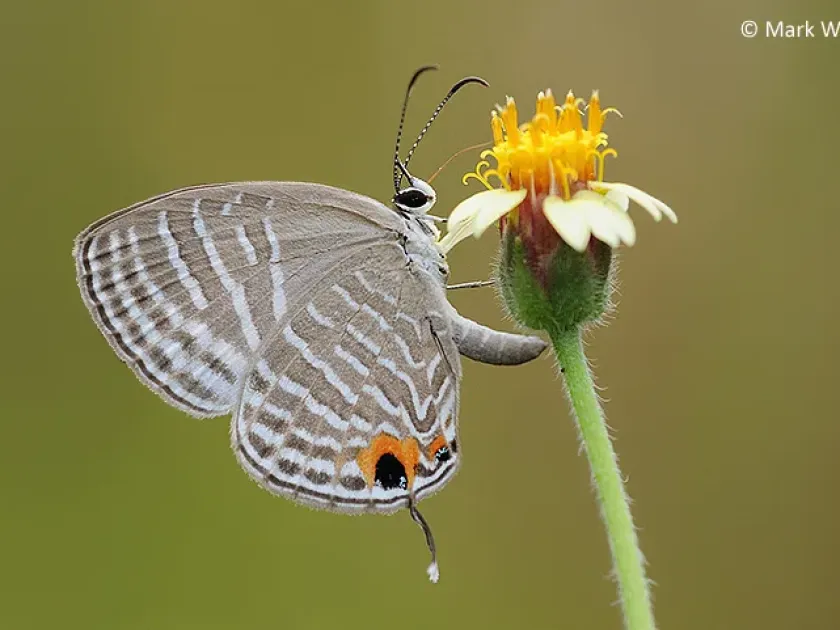
Description
How to identify
The genus Jamides belongs to the family Lycaenidae (Blues) within the order Lepidoptera. While many adults are admired for their beauty, several species are recognized as significant pests in tropical agriculture.
The larval stage is the primary cause of damage. These caterpillars are typically stout and exhibit cryptic coloration, which helps them blend into the foliage or developing flower buds of host plants.
Adult butterflies possess distinctive wing patterns often featuring iridescent blue, white, or brown hues. Their size generally ranges from medium to small, and they are active during sunny daylight hours.
The life cycle undergoes complete metamorphosis. Females lay eggs on flowers or young pods, and upon hatching, larvae immediately begin feeding, often boring into the plant tissue to hide from predators.
These insects are highly adaptable to warm climates, making them a recurring challenge for farmers in various parts of the tropical and subtropical world.
What it damages
Jamides larvae are primarily known for causing damage to legume crops, including soybeans, beans, and various species of Vigna. They are considered specialized pod borers.
By boring into the flower buds and developing pods, the larvae consume the internal seeds, effectively destroying the economic part of the crop before harvest.
Such feeding activities lead to flower abortion, pod shedding, and the contamination of the seeds with larval waste, reducing both yield and market quality.
In addition to agricultural crops, some species in this genus may also target ornamental plants, damaging buds and blooms, which impacts the aesthetics of the plants.
The damage is often stealthy, as the entry holes are minute and the larvae remain protected inside the pod, making external detection difficult until significant loss has occurred.
Signs of infestation
The most common sign of an infestation is the appearance of small holes in the surface of pods, often accompanied by dark frass (excrement) around the entry point.
Wilting, premature yellowing, or abnormal shapes of flower buds and pods are frequent symptoms indicating internal feeding by the larvae.
If buds are inspected closely, one may observe chewed petals or hollowed-out centers, which often lead to the flower dropping off the plant entirely.
The presence of adult butterflies fluttering around legume fields during the day serves as a warning sign for farmers to begin field scouting.
Opening affected pods will often reveal the presence of small, well-fed caterpillars inside the pod cavity, confirming the source of the damage.
Control measures
Chemical control is often necessary during the peak flowering stage to prevent egg-laying and the entry of larvae into the pods. Systemic insecticides are generally most effective.
Integrated Pest Management (IPM) practices, including the use of pheromone traps to monitor adult flight activity, allow for precise timing of interventions.
Cultural methods, such as removing infected pods and maintaining field sanitation, are essential to break the life cycle and reduce the population for the next season.
- Utilizing biological control agents, such as parasitoid wasps, to suppress larval populations naturally.
- Implementing crop rotation to prevent the buildup of the pest in the soil and surrounding environment.
- Selecting plant varieties with thicker pod walls, which can sometimes deter larvae from successful penetration.
Regular monitoring of fields, especially during the critical fruit-setting stages, is the most effective way to prevent widespread economic loss from these pod borers.
Taxonomy
- Latin name
- Jamides
- Order
- Lepidoptera (butterflies)
- Family
- Lycaenidae
- EPPO code
- JAMISP
Discussion
No discussions yet — be the first.