
Sulphur Moth
Itame sulphurea
Description
How to identify
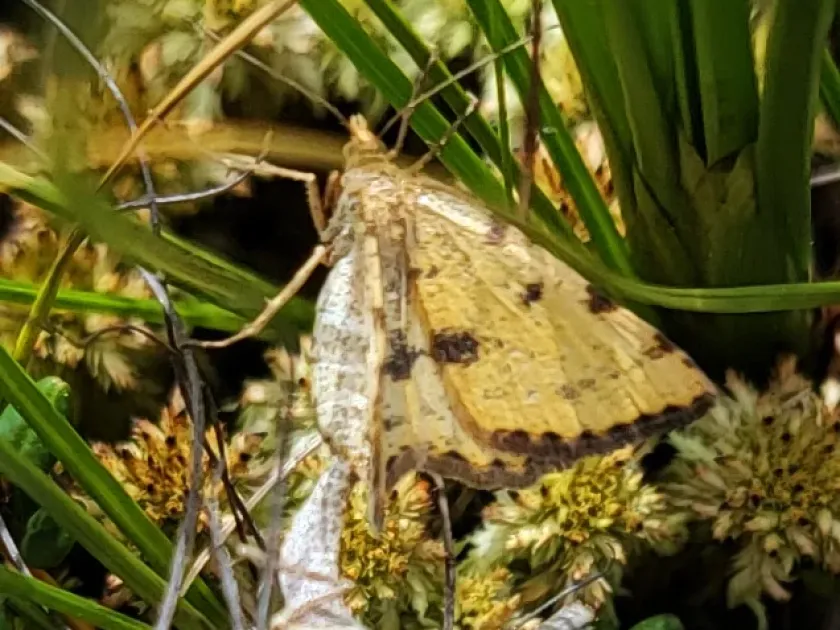
The Sulphur Moth (Latin: Itame sulphurea) belongs to the Geometridae family. The adult moth is recognized by its distinctive sulphur-yellow wings, which give it its common English name.
The larvae, known as loopers or inchworms, have a characteristic elongated body structure. They possess few prolegs, resulting in a unique locomotion style where they loop their bodies to move forward.
Larval coloration is typically cryptic, varying between shades of green and brown, allowing them to blend seamlessly with the twigs and foliage of their host plants.
The lifecycle follows a complete metamorphosis: egg, larva, pupa, and adult. The pupal stage is often spent underground or within leaf litter, which serves as a protective measure during dormant months.
Adults are primarily nocturnal or crepuscular. During the day, they remain stationary, often camouflaged against tree bark or leaves, making them difficult to spot without close inspection.
What it damages
This pest primarily attacks a variety of Rosaceae species, including fruit trees and popular berry shrubs frequently found in gardens and agricultural settings.
The larvae are foliage feeders. In early developmental stages, they skeletonize leaves by consuming the soft tissue, leaving only the veins intact.
Significant infestations can lead to heavy defoliation of host plants. This loss of foliage hampers the plant's photosynthetic capability, leading to reduced vigor and stunted growth.
Damage to developing buds and new shoots in the spring can deform the plant's structure and negatively impact fruit development and overall crop yield.
Weakened plants are often more susceptible to secondary stressors, such as fungal infections or extreme weather, due to the energy drained by larval feeding.
When it appears
Adult moths typically emerge in late spring, aligning their activity with the flush of new growth on host plants, which provides ample food for the hatching larvae.
The peak feeding period for larvae usually occurs throughout June and July. This is the window when most visible damage to foliage is observed.
Pupation generally takes place by mid-to-late summer. The insect then enters the pupal stage, remaining in the soil or protected debris throughout the autumn and winter.
Depending on geographical location and climate, some populations may produce a second generation, though these are often less numerous than the primary spring brood.
Monitoring efforts should focus on the late spring and early summer months when the first signs of larval activity appear on the foliage.
Signs of infestation
The most prominent sign of a Sulphur Moth infestation is the presence of skeletonized leaves or irregular holes chewed into the leaf blade.
- Presence of small dark frass (droppings) on the leaves and surrounding stems.
- Silk webbing used by larvae to bind leaves together, creating small shelters.
- The sight of larvae resting on stems, which may look like small, stiff twigs.
- Premature yellowing or browning of foliage on affected branches due to extensive feeding damage.
- Adult moths can be detected at night using light traps or by inspecting host plants with a flashlight.
Because the larvae mimic twigs so effectively, a gentle shake of the branches over a white sheet is the most reliable way to confirm their presence.
Control measures
Cultural control is highly effective, starting with autumn soil cultivation in orchard or garden beds to disturb and destroy overwintering pupae.
In cases of high infestation, targeted application of contact-stomach insecticides is recommended during the early larval stages when they are most vulnerable.
Biological control methods, such as using Bacillus thuringiensis (Bt), offer an environmentally friendly way to manage populations without harming beneficial pollinators.
Encouraging natural predators, such as birds, parasitic wasps, and predatory beetles, can help keep the population of the Sulphur Moth in check.
Sanitation practices, including the removal of dead or infested twigs during pruning, help to reduce the number of potential egg-laying sites for the next season.
Taxonomy
- Latin name
- Itame sulphurea
- Order
- Lepidoptera (butterflies)
- Family
- Geometridae
- EPPO code
- ITAMSU
Discussion
No discussions yet — be the first.