
Isturgia moth
Isturgia
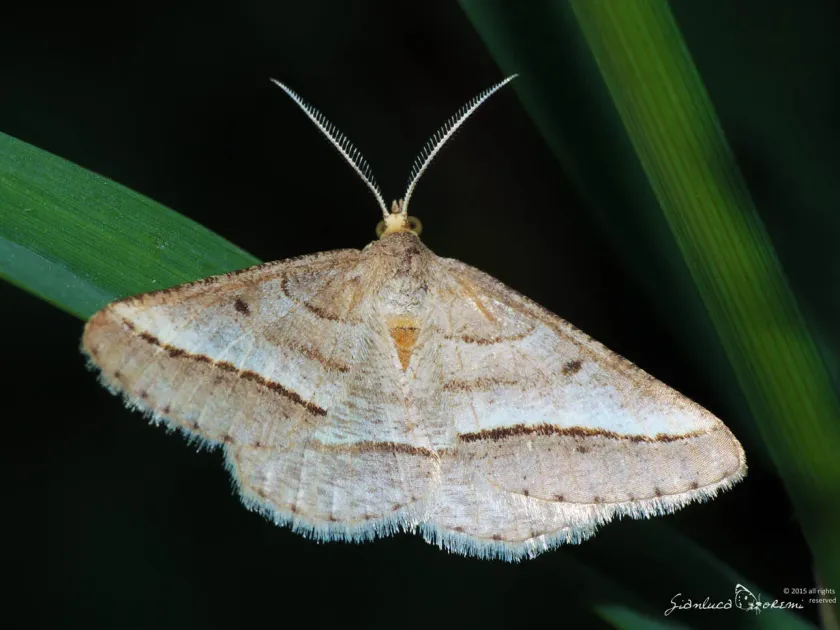
Description
How to identify
The Isturgia moth belongs to the Geometridae family, order Lepidoptera. These moths are characterized by their slender bodies and broad wings, which often feature cryptic patterns for camouflage.
Adult moths are typically nocturnal or crepuscular, spending their daylight hours resting on bark or leaf litter where their color provides excellent protection against detection.
The larvae are commonly known as "loopers" or "inchworms" due to their unique method of locomotion, where they move by pulling their hind segments forward to meet their thoracic legs.
Morphological traits vary among the different species within the Isturgia genus, making specific identification a task for specialists utilizing detailed taxonomic keys.
These insects are well-adapted to varied environments, including arid and semi-arid regions, where they exhibit high resilience to environmental stressors.
What it damages
The primary damage is caused by the larval stage, which feeds on a wide range of herbaceous plants, shrubs, and occasionally the foliage of young trees.
In agricultural settings, Isturgia larvae can shift from native vegetation to crops, causing significant foliar loss and hindering the development of the host plant.
Feeding patterns typically include skeletonization of leaves, where only the toughest veins remain, and the consumption of buds or young, tender shoots.
High infestation rates can lead to stunted growth, reduced photosynthetic capability, and overall loss of plant vigor, directly impacting economic yields.
Persistent feeding by larvae can also expose plants to secondary infections by pathogens entering through the damaged tissue surfaces.
When it appears
The seasonal activity of Isturgia is closely tied to local temperature and the phenology of their host plants, typically peaking during the warmer months.
Depending on the climatic zone, the moth can produce multiple generations per year, allowing populations to surge rapidly when favorable conditions occur.
Winter is typically spent in the pupal stage, buried within the soil or protected under forest litter, providing a critical buffer against freezing temperatures.
Adult emergence occurs in the spring, initiating a cycle of mating and oviposition that continues until late summer or early autumn.
Larval activity is most pronounced during the periods of flush growth in host plants, matching their metabolic needs with the availability of high-quality nutrients.
Signs of infestation
Early warning signs include the presence of inchworms on leaves, especially when they freeze in a twig-like posture when disturbed.
Irregular, chewed-out patches on leaves indicate larval feeding, often progressing from small holes to extensive removal of the leaf surface.
The presence of larval excrement (frass) on lower leaves or the ground beneath the host plant is a reliable indicator of an active infestation.
Deformed or wilting shoots, particularly in the canopy or at the terminals, suggest that larvae have been feeding on the apical meristems.
Increased moth activity around lights or in fields during the night can signal the beginning of a new reproductive cycle and potential upcoming egg-laying.
Control measures
A successful management program for Isturgia focuses on integrating biological, physical, and chemical strategies to maintain pest numbers below damaging thresholds.
Tillage practices, such as autumn plowing or soil cultivation, are effective in disrupting the overwintering pupae and reducing the potential population size for the following season.
Biological control agents, particularly specific strains of Bacillus thuringiensis, provide a selective and environmentally friendly way to eliminate larvae.
- Deploying light traps to monitor population fluctuations and timing of emergence.
- Encouraging natural predators such as birds, parasitic wasps, and beetles in the vicinity of crops.
- Applying targeted insecticides only when scouting confirms that economic threshold levels have been exceeded.
Strategic planting and maintaining biodiversity within the agroecosystem can help mitigate the risk of explosive population growth of the Isturgia moth.
Taxonomy
- Latin name
- Isturgia
- Order
- Lepidoptera (butterflies)
- Family
- Geometridae
- EPPO code
- ISTUSP
Discussion
No discussions yet — be the first.