
Iridopsis
Iridopsis
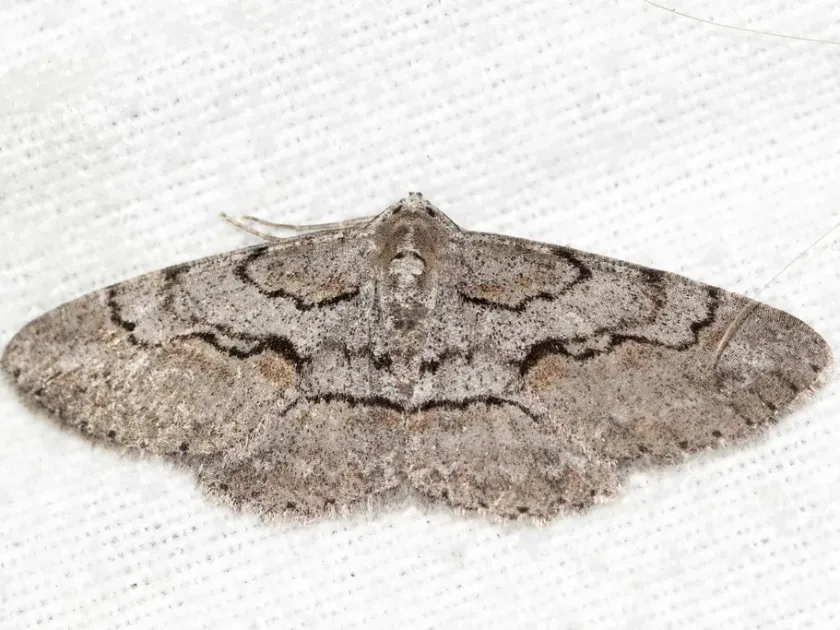
Description
How to identify
Iridopsis is a genus of moths in the family Geometridae, the order Lepidoptera. These moths are widely recognized for their cryptic coloration, which provides excellent camouflage against tree bark and forest debris.
Adult moths typically have a wingspan ranging from 30 to 45 mm. Their wing patterns consist of intricate lines, spots, and shades that mimic wood texture. This camouflage makes them almost invisible to predators during the day when they rest.
The larvae, commonly known as inchworms or loopers, possess the characteristic body structure of the Geometridae family. They move by arching their middle segments, which is a key identifying behavioral trait for field scouting.
The life cycle encompasses four stages: egg, larva (caterpillar), pupa, and adult. The pupal stage typically takes place in the soil or leaf litter, providing a protective environment against winter temperatures and predators.
These insects are primarily inhabitants of wooded areas. However, they can pose economic challenges in forestry and silviculture, and occasionally spill over into orchards or landscape plantings if environmental conditions favor their population growth.
What it damages
The damage is caused exclusively by the larval stage, which feeds on the foliage of a variety of tree and shrub species. They are generally considered polyphagous, though they show preferences for specific host trees depending on the species.
During outbreaks, Iridopsis larvae can cause significant defoliation of forest stands. This reduction in leaf area decreases the tree's photosynthetic capacity, leading to reduced annual growth and increased susceptibility to diseases and secondary pests.
In nurseries, larval feeding can destroy young buds and succulent leaves, potentially leading to the stunted growth or death of seedlings. This is particularly problematic for sensitive tree species used in reforestation.
Orchards bordering wooded areas may suffer from encroachment, where larvae consume foliage and, in some cases, damage the fruit. Severe feeding damage leaves trees stressed and less prepared for dormancy, affecting the following year's vigor.
The damage pattern often starts from the leaf margins or creates irregular holes, eventually leading to skeletal leaves where only the major veins remain, severely impacting the health of the host plant.
When it appears
The flight period for adult moths typically begins in late spring. Mating and egg-laying occur shortly after, with eggs usually deposited on bark or foliage, depending on the specific species' strategy.
Larval activity peaks during the early summer, specifically throughout June and July. This is the optimal window for scouting and assessing whether management interventions are required to prevent excessive canopy loss.
Pupation occurs in late summer as the larvae reach maturity. The species typically overwinters in the pupal stage, buried in the soil or protected under the leaf litter, waiting for the return of favorable spring temperatures.
Environmental factors, particularly spring precipitation and temperature, influence the timing of egg hatching. Early detection of larvae is essential for successful control programs.
Monitoring adult moth emergence using light traps is a standard practice for predicting the timing of larval outbreaks and ensuring that chemical or biological interventions are applied at the most vulnerable stage.
Signs of infestation
A primary indicator of infestation is the presence of frass (caterpillar droppings) accumulating on the forest floor or on the foliage of understory plants. This granular evidence suggests an active feeding population in the canopy.
Visible feeding damage is a clear sign, appearing as irregular notches along the leaf edges or complete skeletonization. Severe infestations often result in noticeable thinning of the canopy cover.
Given the larvae's cryptic nature, they are often difficult to spot by eye. The "beating tray" method, where branches are tapped over a white sheet, is the most effective way to quantify the larval population density.
Small, fine silk threads trailing from branches may indicate the presence of loopers, as they use these threads to descend from foliage when disturbed by wind or predators.
Trees exhibiting premature leaf yellowing or stunted development in the mid-summer often point to severe defoliation by lepidopteran larvae during the early stages of the growing season.
Control measures
Biological control is the first line of defense. The application of Bacillus thuringiensis (Bt) is highly effective against young larvae and minimizes impact on beneficial insects, such as parasitoids and predators.
Chemical control should be reserved for outbreaks that exceed established economic or ecological thresholds. Systemic or contact insecticides are typically applied as a foliar spray to ensure uniform coverage of the tree canopy.
Silvicultural management, such as thinning stands to maintain tree vigor and removing severely weakened or infested trees, helps discourage large-scale outbreaks and creates a less conducive environment for the pest.
Encouraging natural biological controls, such as insectivorous birds and parasitic wasps, is a sustainable long-term strategy for keeping Iridopsis populations within acceptable limits.
- Biological insecticides (Bt-based) for early-instar larvae.
- Targeted insecticide applications during mass outbreaks.
- Pheromone or light traps for population monitoring.
- Forest hygiene and promotion of natural predators.
Taxonomy
- Latin name
- Iridopsis
- Order
- Lepidoptera (butterflies)
- Family
- Geometridae
- EPPO code
- IRIOSP
Discussion
No discussions yet — be the first.