
Indoplanorbis exustus
Indoplanorbis exustus
Description
How to identify
Indoplanorbis exustus is a freshwater air-breathing snail belonging to the family Planorbidae, commonly known as ramshorn snails.
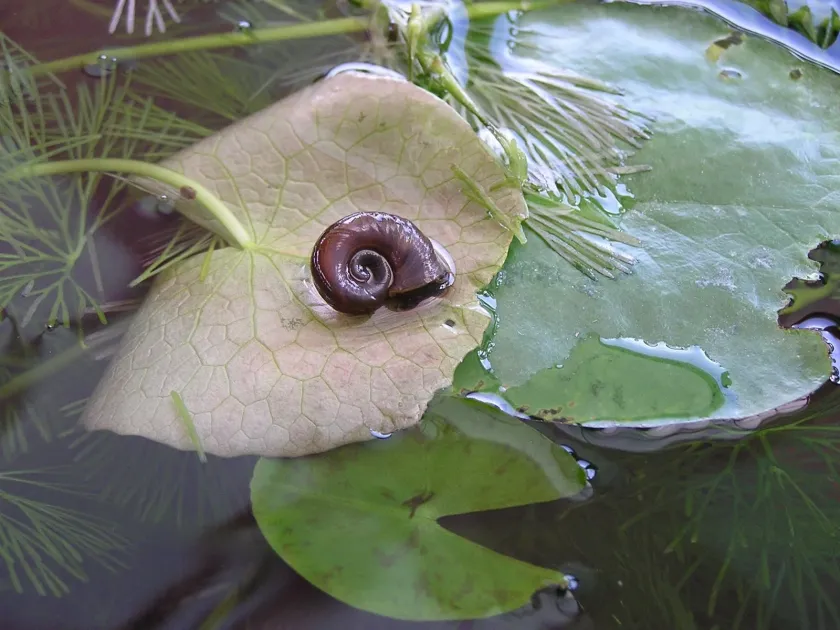
The shell of this species is discoidal and flatly coiled in one plane, featuring a distinct, deep depression or umbilicus in the center.
Adult specimens typically reach a diameter between 10 and 15 millimeters and possess a light brown to horn-colored appearance.
As hermaphrodites, these snails exhibit high reproductive efficiency, allowing them to rapidly colonize suitable aquatic environments.
Beyond being a plant pest, this snail acts as an intermediate host for various trematode parasites, posing indirect risks to livestock and field workers.
What it damages
The primary economic damage caused by Indoplanorbis exustus is focused on wetland crops, particularly rice seedlings during the early stages of growth.
The snails feed on the epidermis and soft tissues of young plants, causing stunted growth or total destruction of the seedlings.
By consuming root tissues and stems under the water surface, they significantly reduce plant stand density, necessitating costly replanting.
High populations can lead to complete failure of field establishment in flooded nursery beds or direct-seeded paddy fields.
Additionally, their feeding activities compromise the health of the plants, making them more susceptible to secondary fungal infections.
When it appears
The activity and reproduction of Indoplanorbis exustus are strongly correlated with water temperature, with an optimum range of 20°C to 30°C.
They are most active during the irrigation and flooding cycles of rice production, which provide ideal conditions for their rapid life cycle completion.
Multiple generations can occur within a single growing season, leading to exponential increases in population density if left uncontrolled.
While they thrive in water, they exhibit some tolerance to periods of drought by retreating into moist soil or deep crevices in the mud.
Early-season flooding is the most critical period, as the vulnerable young seedlings are most easily damaged by these snails.
Signs of infestation
A primary indicator of infestation is the presence of scraped or skeletonized areas on rice leaves just below the water line.
Farmers may observe gaps or thinning patches in the rice canopy, indicating the localized destruction of young plant tissue.
The presence of the snails themselves on the leaves, stems, or soil surface during irrigation cycles is a clear sign of an established infestation.
Gelatinous egg masses attached to plant stems or submerged debris confirm active reproduction and suggest potential future population surges.
Slimy trails left on the mud surface or plant tissues after water drainage are characteristic evidence of gastropod activity in the field.
Control measures
The most effective agronomic control strategy is periodic field drainage, which exposes snails to desiccation and direct sunlight, leading to mortality.
Chemical control using specific molluscicides can be employed, though environmental safety precautions must be strictly followed to protect aquatic life.
Integrated pest management (IPM) may involve the use of natural predators like ducks or certain fish species that feed on the snails in flooded conditions.
Keeping irrigation canals and drainage ditches free from excessive weeds helps eliminate refuge areas that support snail population growth.
- Regular field scouting for early detection of snail clusters.
- Water management techniques that prevent permanent standing water.
- Utilizing certified high-vigor seeds to bypass the most vulnerable growth phase quickly.
Taxonomy
- Latin name
- Indoplanorbis exustus
- Order
- Molluscs
- Family
- Planorbidae
- EPPO code
- INDOEX
Discussion
No discussions yet — be the first.