
Indoplanorbis
Indoplanorbis
Description
How to identify
Indoplanorbis (Indoplanorbis exustus) is a species of freshwater air-breathing snail belonging to the Planorbidae family, widely recognized as an agricultural pest.
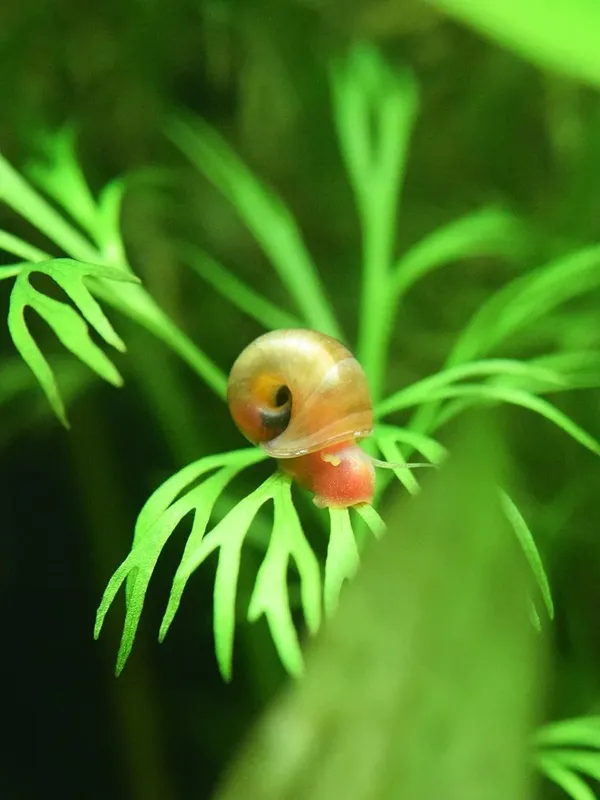
The snail is characterized by a disc-shaped shell that spirals in a single plane, typically reaching a diameter of 20–25 mm, with a dark brown or black coloration.
The soft body of the snail is usually grey or black, allowing it to blend effectively into the silt and debris of freshwater environments.
As hermaphrodites, these snails possess the ability to reproduce rapidly, allowing a small population to colonize new water bodies in a very short timeframe.
Indoplanorbis is highly resilient, capable of surviving in oxygen-depleted waters by surfacing to breathe air, making it a difficult pest to eradicate from water systems.
What it damages
Indoplanorbis primarily damages rice crops in paddy fields and various plants cultivated through hydroponic or aquaculture systems.
The snails feed on young seedlings, consuming soft leaf tissues and rootlets, which stunts plant growth and can lead to the total loss of young stands.
Mechanical damage to the root system is a common issue, as the snails graze on the tender tissues, disrupting the nutrient intake of the affected plants.
Furthermore, these snails serve as intermediate hosts for trematode parasites, which pose significant health risks to livestock grazing in nearby water-logged areas.
Dense populations of these snails can clog irrigation pipes and water channels, hindering proper flow and encouraging the accumulation of organic waste.
When it appears
Activity is heavily dictated by water temperature; they thrive and reproduce most aggressively in warm waters exceeding +20°C.
In rice-growing regions, the pest becomes most problematic during the initial growth stages, precisely when the fields are first flooded for crop establishment.
Egg-laying typically occurs on underwater substrates, including leaf surfaces and stems, with each clutch containing numerous eggs protected by a gelatinous matrix.
During periods of drought or low temperatures, these snails can burrow into the mud, entering a state of reduced metabolism until conditions improve.
Their life cycle is relatively short, allowing for multiple generations within a single growing season under optimal tropical or subtropical climates.
Signs of infestation
Characteristic signs of an infestation include the appearance of irregular holes or notched edges on leaves that are submerged or floating.
Mass aggregations of adult snails can be observed on plant stems and structures, particularly during dawn and dusk when they are most active.
The presence of slimy trails on underwater surfaces and plants serves as a diagnostic indicator of the snail's recent feeding activity.
Yellowing and wilting of plants in the absence of fungal pathogens often point toward significant root damage caused by the constant grazing of snails.
The presence of gelatinous egg masses on the underside of leaves or on the walls of water tanks confirms active reproduction and a growing infestation.
Control measures
Draining paddy fields periodically is one of the most effective mechanical methods to control populations, as the snails perish without consistent water access.
The application of molluscicides can reduce population numbers, although this requires careful management to avoid impacting non-target aquatic species.
Biological control strategies often involve introducing predatory fish or ducks that consume snails, effectively keeping their populations under control.
Regular maintenance of irrigation channels, including the removal of aquatic weeds, limits the available food sources and breeding sites for the snails.
Implementing proper soil preparation and selecting resilient plant varieties helps crops reach a robust size, making them less susceptible to initial snail damage.
Taxonomy
- Latin name
- Indoplanorbis
- Order
- Molluscs
- Family
- Planorbidae
- EPPO code
- INDOSP
Discussion
No discussions yet — be the first.