
Idaea dimidiata
Idaea dimidiata
Description
How to identify
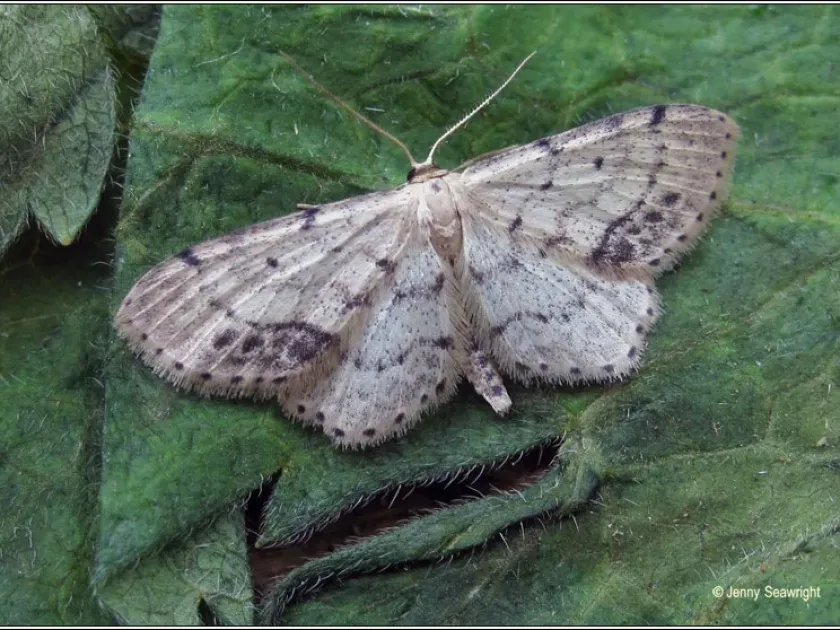
Idaea dimidiata, known as the Small Fan-footed Wave, belongs to the Geometridae family, order Lepidoptera. The wingspan of an adult moth typically ranges from 16 to 22 millimeters.
The wings have a characteristic grayish-brown or ochre coloration with distinct dark wavy transverse lines. When at rest, the moth keeps its wings flattened, which helps it blend into the surroundings.
The larvae, known as loopers, possess the iconic body structure of the Geometridae family. They have a limited number of prolegs, forcing them to move in a looping motion that is very distinct.
The life cycle encompasses four developmental stages: egg, larva, pupa, and adult. The species typically overwinters as a young larva hidden within plant debris or soil layers.
Adult moths are nocturnal and are usually attracted to artificial light sources. During the day, they remain inactive, resting on the underside of leaves or within dense vegetation.
What it damages
The larval stage is the primary cause of damage, as the caterpillars feed on the leaves and sometimes the flowering parts of a wide range of host plants.
The species is known to affect various plants, particularly those in the Apiaceae (umbelliferous) family, including culinary herbs like parsley, celery, and carrots.
Larvae consume leaf tissue, creating irregular holes and edges. In severe infestations, they may skeletonize leaves, leaving only the main vascular veins behind.
Beyond direct feeding, the damage caused by larvae creates entry points for secondary fungal and bacterial infections, which can lead to wilting and plant rot.
The reduction in photosynthetic leaf area causes significant stress to the plant, potentially leading to stunted growth and reduced harvest yields in agricultural settings.
When it appears
The flight period for the first generation of adults generally begins in late spring, continuing through the early summer months as temperatures rise.
In regions with favorable climates, the species may undergo multiple generations within a single growing season, which significantly increases the risk of plant damage.
Larval activity is most pronounced during the warm summer months of June and July, coinciding with the peak vegetative growth period for many garden vegetables.
Pupation occurs toward the end of summer or early autumn, after which the larvae or pupae enter a dormant state, preparing for the cold winter months.
Monitoring for the presence of the pest is best performed during the evening or night, using light traps or by inspecting the foliage of vulnerable crops.
Signs of infestation
One of the earliest signs of an infestation is the appearance of small, irregular holes on the leaves, which gradually increase in size as the larvae grow.
The presence of fine, dark larval excrement (frass) accumulated on the leaves or at the base of the plant is a clear indication of an active pest population.
- Significant loss of leaf mass and ragged, uneven leaf edges.
- Presence of slender, twig-like caterpillars resting on stems during the day.
- Weakened or stunted development of the entire plant due to foliage consumption.
- Secondary damage to flower clusters, reducing the crop's potential for seed production.
Yellowing or premature browning of leaves due to damaged vascular tissues and increased vulnerability to environmental stressors.
Control measures
Cultural control methods involve maintaining clean fields by removing weeds that belong to the Apiaceae family, which may act as secondary hosts for the pest.
Deep cultivation of the soil in the fall helps disrupt the overwintering pupae and larvae, reducing the population density for the next growing season.
Biological control, such as the application of Bacillus thuringiensis, is highly effective against larvae and poses minimal risk to the surrounding ecosystem.
If chemical intervention is necessary, select insecticides should be applied during the early larval stages when they are most susceptible to treatment.
Promoting natural predators, including parasitic wasps and predatory beetles, can help keep the population of Idaea dimidiata below economic injury levels.
Taxonomy
- Latin name
- Idaea dimidiata
- Order
- Lepidoptera (butterflies)
- Family
- Geometridae
- EPPO code
- IDAADI
Discussion
No discussions yet — be the first.