
Small dusty wave
Idaea biselata
Description
How to identify
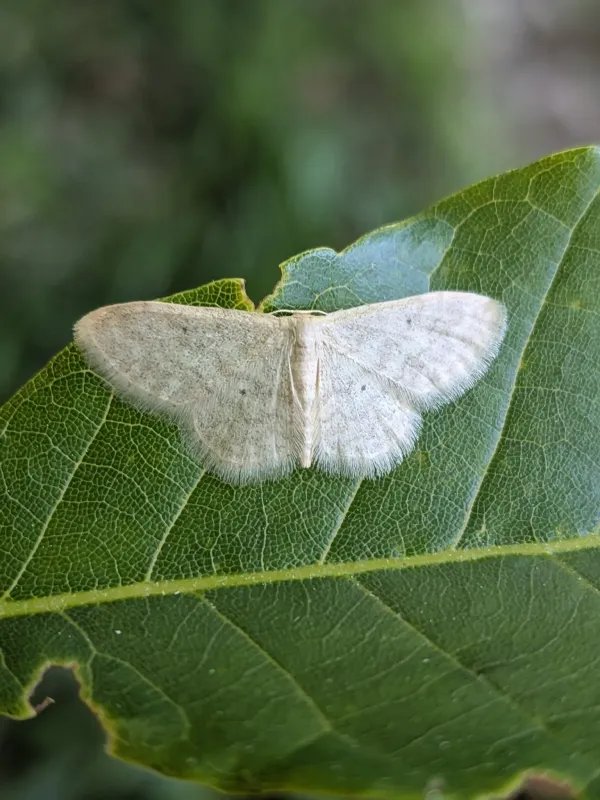
The Small dusty wave (Idaea biselata) is a moth species belonging to the order Lepidoptera and the family Geometridae.
Adult moths are relatively small, typically having a wingspan ranging from 20 to 24 mm.
The wings exhibit a color palette ranging from pale grey to yellowish-brown, which provides excellent camouflage against tree bark and dry vegetation.
A key identifying feature of the species is the presence of two distinct darker transverse lines that divide the wings into shaded areas.
The larvae, or caterpillars, exhibit the characteristic looping movement of the inchworm family, as they possess fewer prolegs than other moth larvae.
What it damages
This moth species is considered a polyphagous pest, meaning it feeds on a wide variety of plants, including many garden shrubs and wild herbs.
The primary damage is caused by the caterpillars, which feed on foliage and often leave irregular holes or completely skeletonized leaf tissues.
While often found on wild plants, they can occasionally invade garden spaces, causing aesthetic damage and stress to ornamental or berry-bearing shrubs.
Significant defoliation reduces the plant's ability to photosynthesize, which can stunt growth and weaken the plant against further stress.
In cases of high population density, the caterpillars can severely impact the vigor of young saplings by stripping them of their leaves.
When it appears
The flight period for adult Small dusty wave moths typically occurs during the summer months, specifically from June through August.
Adults are nocturnal insects and are commonly attracted to artificial light sources during the night hours.
The species survives the winter stage as young larvae, hiding within leaf litter or the top layer of soil near their host plants.
As spring temperatures rise, the caterpillars emerge from their overwintering sites to begin feeding on fresh, tender spring foliage.
Depending on the local climate, the species may complete one or two generations within a single calendar year.
Signs of infestation
Early warning signs of an infestation include chewed leaf margins and irregular feeding marks on plants at the beginning of the summer season.
Careful inspection of the undersides of leaves during the evening can reveal the presence of caterpillars actively feeding.
The accumulation of frass (caterpillar droppings) on the leaves or the ground beneath the plants is a strong indicator of an active infestation.
Affected leaves often develop yellowing or necrotic spots as the tissues dry out following the damage caused by the larvae.
In severe cases, you may notice premature leaf drop and overall plant stress, which can make the vegetation more susceptible to diseases.
Control measures
Effective management of the Small dusty wave involves integrating cultural practices with targeted biological control methods.
Maintaining a clean garden by removing leaf litter and weeds significantly reduces the favorable overwintering sites for the larvae.
Biological insecticides containing Bacillus thuringiensis are highly effective against caterpillars while remaining safe for the surrounding ecosystem.
If population levels exceed an acceptable threshold, systemic insecticides may be used, provided that safety guidelines regarding harvest times are followed.
- Hand-picking caterpillars during the early evening hours
- Using light traps to monitor and reduce adult moth populations
- Promoting a healthy environment for birds and other natural predators
- Ensuring proper plant nutrition to encourage rapid recovery
Taxonomy
- Latin name
- Idaea biselata
- Order
- Lepidoptera (butterflies)
- Family
- Geometridae
- EPPO code
- IDAABI
Discussion
No discussions yet — be the first.