
Hyponephele
Hyponephele
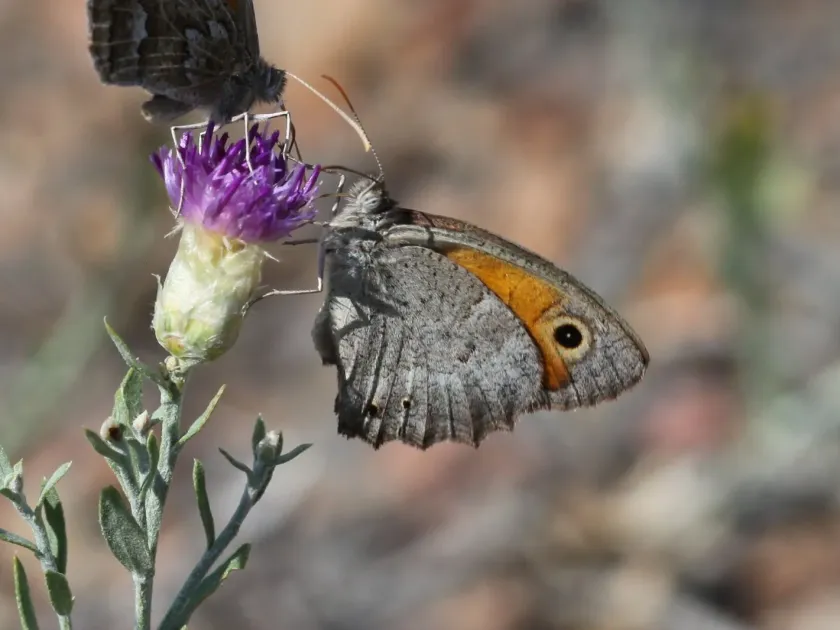
Description
How to identify
The genus Hyponephele belongs to the Nymphalidae family, specifically the Satyrinae subfamily, commonly known as brown butterflies. These are medium-sized butterflies with brownish or grayish wings, which serve as camouflage against dried grasses and soil.
Adult butterflies often feature distinct eyespots on their wings, which vary in number and pattern depending on the specific species. They are diurnal, typically found in open meadows, pastures, and grassy margins of fields during sunny weather.
The larvae (caterpillars) of Hyponephele are typically spindle-shaped and covered in fine setae. They exhibit cryptic coloration—usually green or pale brownish with faint longitudinal stripes—allowing them to blend into the foliage of their host grasses.
The life cycle involves complete metamorphosis: egg, larva, pupa, and adult. Most species in this genus have one generation per year, making them univoltine and highly adapted to the seasonal rhythms of their environment.
Overwintering usually occurs during the larval stage, with the caterpillars seeking refuge at the base of grasses or within soil debris, which protects them from extreme winter temperatures and frost.
What it damages
The primary hosts for Hyponephele larvae are various species of wild and cultivated grasses (Poaceae). They are frequently found in pastures, hayfields, and the periphery of cereal crops where grass weeds are present.
Larvae feed by consuming the leaf tissue, often starting from the leaf margins and creating irregular notched patterns. In cases of high infestation, they can significantly reduce the biomass of the grassland.
While the economic impact on large-scale cereal production is often localized, their presence in pastures can lead to substantial reductions in green fodder availability for livestock, affecting overall productivity.
Adults do not cause damage to crops, as they subsist exclusively on flower nectar. Therefore, the pest status of this genus is restricted to the feeding habits of the caterpillar stage.
Indirect damage occurs when the defoliated plants become weaker and more susceptible to drought, fungal pathogens, and competition from more vigorous, non-host plant species.
When it appears
The flight period for adult Hyponephele butterflies typically commences in late spring and peaks throughout early to mid-summer. Females deposit their eggs singly or in small clusters on the leaves of host grasses.
Caterpillars emerge during the summer months and engage in active feeding. This period is critical for their development as they must accumulate sufficient reserves to survive the upcoming winter diapause.
As spring arrives and temperatures rise, the overwintered larvae resume feeding. This stage is relatively short, as they must complete their final development and pupate before the heat of summer fully sets in.
Pupation occurs either on the stems of grasses or within the top layer of the soil. The pupal stage is stationary and relies on protective coloration to remain unnoticed by predators.
The timing of these stages is highly dependent on the microclimate, including soil temperature and humidity, which causes annual variations in the population density across different regions.
Signs of infestation
The most reliable sign of a Hyponephele infestation is the presence of irregular leaf notches on grasses, where the leaf margin appears eaten away or jagged.
Observing the base of the plants, particularly during cool, overcast weather or dusk, may reveal the caterpillars. They are often shy and retract into the thatch when disturbed, making manual detection difficult.
A high density of butterflies in the field during June and July is a strong indicator of an upcoming larval surge. Regular monitoring during these months is essential for effective farm management.
Premature yellowing or browning of grass foliage, without signs of disease, often points to grazing pressure from larvae inhabiting the cluster of grass blades.
- Irregular feeding patterns on grass leaf margins.
- Presence of cryptic caterpillars at the plant base.
- Frequent sightings of adult butterflies in grassy areas.
- Reduction in pasture height and overall forage yield.
Control measures
Agricultural management is the first line of defense against Hyponephele. Regular mowing of field margins, pathways, and pastures helps remove egg-laying sites and reduces the food supply for the larvae.
Crop rotation helps break the life cycle of the pest, as the larvae are highly specialized feeders on Poaceae and cannot survive on broad-leaved crops.
Chemical control is rarely necessary for this genus; however, in cases of severe infestation on valuable forage crops, target-specific insecticides can be used, provided they fall within the legal limits.
Preservation of natural enemies, such as parasitic wasps and tachinid flies, is a highly recommended strategy. These beneficial insects naturally regulate the population of Hyponephele in most environments.
Maintaining high plant health through balanced fertilization and proper moisture management allows grasses to outgrow potential minor damage caused by these insects, negating the need for active intervention.
Taxonomy
- Latin name
- Hyponephele
- Order
- Lepidoptera (butterflies)
- Family
- Nymphalidae
- EPPO code
- HYNPSP
Discussion
No discussions yet — be the first.