
Hypolycaena erylus
Hypolycaena erylus
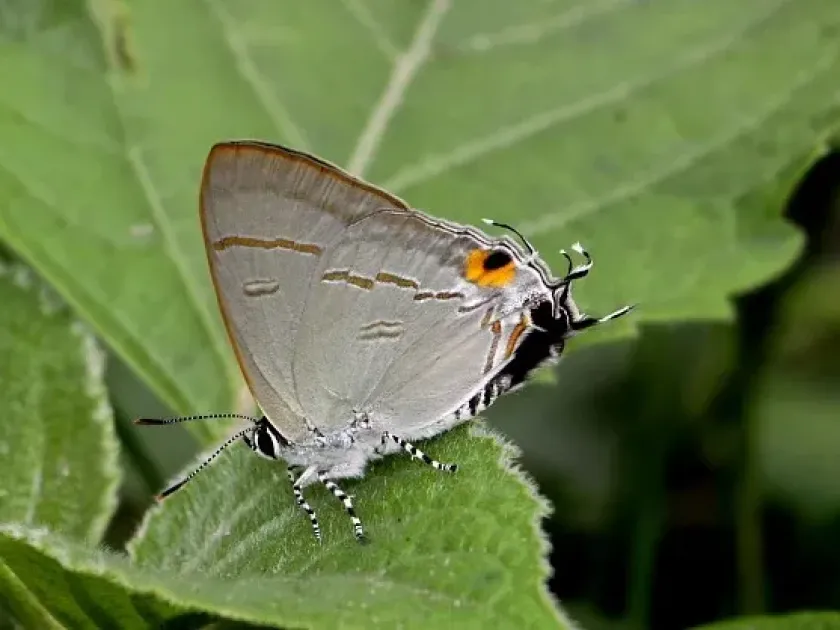
Description
How to identify
Hypolycaena erylus is a butterfly species belonging to the Lycaenidae family, commonly known as the common tit. Adult butterflies are characterized by their medium size and distinctive wing patterns, which often feature a rich brown or dark grey base with metallic blue or purple sheen in males.
The larvae, or caterpillars, of this species are notable for their flattened, somewhat slug-like appearance. Their coloration varies from green to brownish, providing excellent camouflage against leaves, flower buds, and stems of their host plants.
A key biological trait of Hypolycaena erylus is its myrmecophilous relationship with ants. The caterpillars possess specialized glands that secrete sugary droplets, which attract ants; in return, the ants protect the caterpillars from predators and parasites.
The life cycle undergoes a complete metamorphosis, including egg, larval (caterpillar), pupal, and adult stages. The duration of each stage is highly dependent on ambient temperature and humidity levels characteristic of their tropical range.
These butterflies are native to regions across South and Southeast Asia, where they are recognized as significant inhabitants of both wild ecosystems and commercial agricultural landscapes.
What it damages
As a pest, Hypolycaena erylus primarily affects a variety of tropical crops. The caterpillars are known to feed on the reproductive parts of the plant, specifically targeting buds, flowers, and developing fruit.
Major host plants include various species of the Citrus genus, mango trees (Mangifera indica), and several types of legumes and orchids. These plants are often economically significant, making the pest a concern for commercial growers.
The economic damage occurs primarily during the flowering season. Larval feeding on floral tissues results in direct loss of potential fruit, leading to reduced yields and inferior quality of harvested produce.
In addition to direct consumption, the feeding activity often leaves behind damaged tissues that become susceptible to secondary infections by fungi and bacteria, which can cause blossom blight or rot.
For young or newly planted crops, the destruction of developing buds can be particularly harmful, as it can stunt the plant's structural development and affect its overall productivity for the following season.
When it appears
In tropical climates, Hypolycaena erylus does not undergo a winter diapause, meaning it can remain active throughout the year as long as host plants provide a sufficient food supply.
Population surges are generally synchronized with the phenology of the host plants, particularly during peak flowering periods. This abundance of floral resources supports high reproductive success for the butterfly.
Adult flight activity is highest during sunny, warm weather, which allows them to effectively navigate between host trees for nectar feeding and searching for oviposition sites.
Monitoring efforts should be intensified shortly before the flowering onset of key crops to detect the presence of adults and the subsequent arrival of the first larval generation.
Rainfall patterns also influence the population dynamics of the pest, as prolonged wet conditions may affect larval survival rates and the activity of their ant partners.
Signs of infestation
The most visible sign of an infestation is the presence of damaged or hollowed-out flower buds. These may appear shriveled or display clear circular feeding holes caused by the caterpillars.
The presence of ants attending to the flowers in unusual numbers is a reliable indicator of caterpillar activity, as the ants are attracted to the sugary secretions produced by the larvae.
Excrement in the form of small, pellet-like frass accumulating on stems or at the base of flowers is a common diagnostic sign of the presence of larvae feeding nearby.
Premature abscission (dropping) of buds and flowers is a frequent symptom, caused by the internal damage to the floral structure that prevents proper fruit set.
Diligent inspection of the underside of leaves and inside cluster groups of buds usually reveals the presence of individual larvae, despite their cryptic coloration.
Control measures
An integrated pest management (IPM) approach is recommended to effectively mitigate the damage caused by Hypolycaena erylus while maintaining ecological balance.
- Regular field monitoring to identify early signs of larval activity.
- Manual removal of damaged clusters for small-scale operations.
- Utilization of biological control agents, such as Bacillus thuringiensis, which target larval stages safely.
- Targeted application of systemic insecticides if the damage threshold is exceeded during critical flowering stages.
- Conservation of native parasitoids, which naturally suppress butterfly populations.
When chemical intervention is necessary, it is crucial to apply insecticides during early or late hours to protect non-target beneficial insects, particularly pollinators.
Rotating chemical classes is essential to manage the risk of the pest developing resistance to specific active ingredients over time.
Proper orchard sanitation, including the removal and destruction of infested buds and debris, helps to disrupt the life cycle of the pest and reduce its future population pressure.
Taxonomy
- Latin name
- Hypolycaena erylus
- Order
- Lepidoptera (butterflies)
- Family
- Lycaenidae
- EPPO code
- HPOYER
Discussion
No discussions yet — be the first.