
Hygromia cinctella
Hygromia cinctella
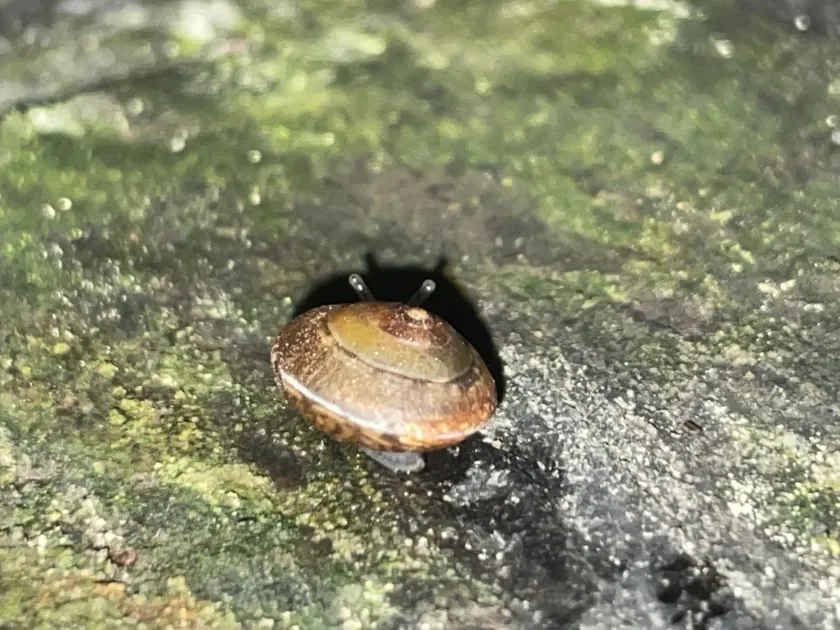
Description
How to identify
Hygromia cinctella is a small terrestrial pulmonate snail belonging to the family Hygromiidae. The adult shell typically measures 6 to 10 mm in diameter and exhibits a distinct conical shape with a characteristic white or pale peripheral keel on the last whorl.
The shell color ranges from pale brownish to yellowish, with a translucent quality and fine radial striae on the surface, giving it a somewhat matte appearance. The snail's soft body is generally light gray or whitish, with darker tentacles and head area.
As an invasive species in many regions, Hygromia cinctella has successfully adapted to human-modified environments, including gardens, parks, and urban green spaces. It thrives in humid conditions and is highly active during damp, mild weather.
This species is distinguished from other similar snails by the white spiral band running along the edge of the shell. This key diagnostic feature helps gardeners and agronomists confirm its presence during field inspections.
The snail is primarily nocturnal or active in low light. During the day, it seeks refuge in cool, dark, and damp microhabitats such as under dense foliage, stones, piles of plant debris, or within garden mulch layers.
What it damages
This species is a polyphagous pest, capable of feeding on a wide range of horticultural crops. It particularly targets young, succulent plant tissues, including seedling stems, tender leaves, and flower buds in both greenhouse and outdoor environments.
Feeding damage is characterized by irregular holes and jagged margins on the leaf blades. In cases of high infestation, the snails can cause severe defoliation, stunted growth, and death of young vegetable transplants or ornamental plants.
Fruit crops, especially strawberries, are highly susceptible to damage. The snails feed on ripening berries, creating deep excavations that destroy the fruit's marketability and provide entry points for secondary pathogens like fungal rots.
In ornamental landscaping, species like hostas and various bedding flowers often suffer significant aesthetic damage. The snails' tendency to congregate in large numbers on plants leads to rapid destruction of leaf tissue within just a few nights.
Beyond direct consumption, the slime trails left by these mollusks contaminate produce and create ideal conditions for mold and bacterial infections. This reduces the quality of harvests and makes fresh products undesirable for consumption.
Signs of infestation
The most prominent sign of infestation is the appearance of glistening, silvery-dried slime trails on leaves, stems, and soil surfaces. These trails are clear indicators that snails have been active in the area overnight.
Plants showing irregular, scalloped-edged leaves or hollowed-out tissue are clear indicators of gastropod feeding. If you inspect the undersides of leaves or the base of stems during dawn or dusk, you are likely to find the snails themselves.
The presence of empty shells or active individuals with the diagnostic white keel on the periphery confirms the identification of Hygromia cinctella. These snails are often found clustered together in humid, sheltered areas during the day.
Clutches of eggs, which appear as clusters of small, gelatinous, pearl-like spheres, may be found in the damp soil or beneath decaying organic matter. Early detection of these egg masses is crucial for long-term population management.
Increased snail activity is often observed after rain or heavy irrigation. During these times, the snails move from their shelters onto low-growing vegetation, making them easier to spot and count to estimate population density.
Control measures
Effective management begins with sanitation. Removing debris, tall weeds, and unmanaged mulch from the vicinity of crops eliminates the dark, damp hiding spots that Hygromia cinctella prefers, forcing them to move away from sensitive plants.
Physical barriers such as copper tape, crushed eggshells, or gravel can deter movement if placed strategically around vulnerable pots or garden beds. Hand-picking in the evening or using simple traps (like wet cardboard or wooden boards) can significantly reduce numbers in small gardens.
Cultural practices are essential. Improving drainage and thinning out dense plant growth reduces humidity around the foliage, making the environment less favorable for the snails to thrive and move freely.
When populations reach economic damage thresholds, chemical control using molluscicides may be necessary. Iron phosphate-based pellets are generally preferred due to their better safety profile regarding pets, wildlife, and beneficial insects compared to metaldehyde.
- Water plants in the morning to allow the soil surface to dry out by evening.
- Encourage natural predators like thrushes, hedgehogs, and ground beetles.
- Use drip irrigation to prevent widespread soil surface moisture.
- Apply physical protective collars around delicate young transplants.
Taxonomy
- Latin name
- Hygromia cinctella
- Order
- Molluscs
- Family
- Hygromiidae
- EPPO code
- HYGRCI
Discussion
No discussions yet — be the first.