
Hygromia
Hygromia
Description
How to identify
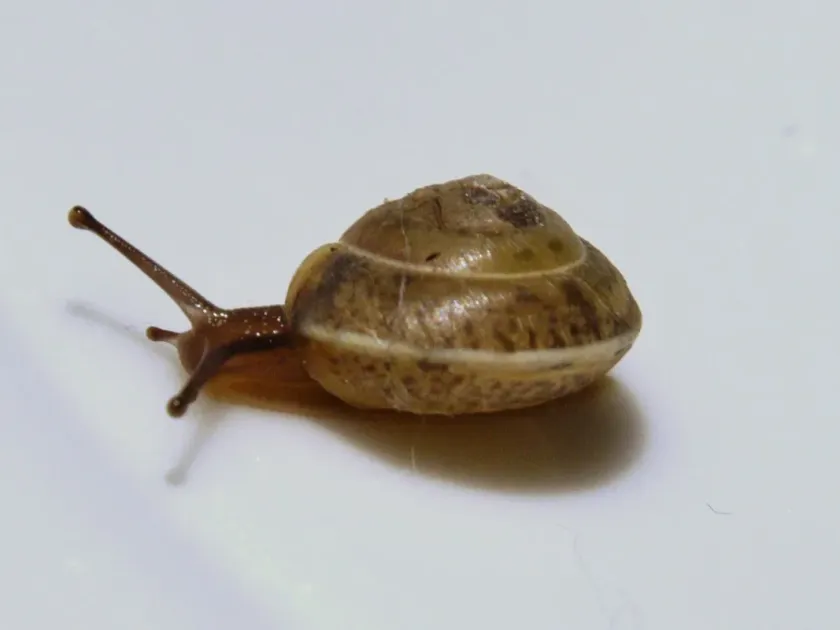
Hygromia is a genus of land pulmonate gastropod mollusks belonging to the family Hygromiidae. These snails are characterized by a small, often flattened, globular shell that usually displays brownish or yellowish hues.
The body of the mollusk typically has a grey or beige coloration. Adult specimens are small, rarely exceeding 1–2 centimeters in size, allowing them to remain hidden within dense vegetation or soil debris.
The shell often features a distinct umbilicus and sometimes a thickened lip at the aperture, which serves as a critical diagnostic feature for accurate species identification by experts.
Biologically, these mollusks are hermaphrodites, facilitating rapid population growth under favorable environmental conditions. They are nocturnal by nature, showing peak activity during night hours or in humid weather.
During the day, they shelter in soil crevices, under stones, or at the base of plants, where humidity levels remain constant, even during dry periods of the year.
What it damages
Hygromia are generalist herbivores, causing significant damage to young vegetable seedlings, ornamental flowers, and various garden crops by consuming their delicate tissues.
In greenhouses and moist garden areas, these snails can quickly destroy young sprouts of lettuce, cabbage, and strawberries, potentially leading to total crop loss.
Beyond direct feeding, they leave sticky mucus trails on the plant surface, which contaminates the produce and significantly reduces its commercial quality and appeal.
Feeding wounds created by these snails provide entry points for various pathogens, including fungi and bacteria, which can cause rotting and disease in damaged plants.
The economic impact is particularly high during periods of high precipitation, when the moisture content in the soil allows the snails to thrive and reproduce aggressively.
Signs of infestation
The most prominent sign of infestation is the presence of irregular, ragged holes in leaves, especially those located near the soil surface or touching it.
Shimmering, dried mucus trails left on leaves, stems, and soil are a definitive indicator of the presence of these gastropod pests in the garden environment.
Careful inspection of the garden in the evening or early morning often reveals the snails themselves, typically found on the undersides of leaves or in humid hiding spots.
Damage often manifests as notched leaf edges, where the snails have systematically consumed the tissue, leaving behind only the tougher midribs and main veins.
Affected plants often show stunted growth, wilting, and overall decline, particularly when the snails target the root crown or succulent stems of young seedlings.
Control measures
Cultural control measures focus on removing shelters: eliminating weeds, clearing plant debris, and regular soil cultivation to disturb the snails' daytime hiding spots.
Manual collection using mechanical traps, such as placing boards or wet burlap on the ground in the evening, allows for the efficient removal and destruction of the pest population.
Creating physical barriers, such as using abrasive materials like coarse sand, gravel, or lime around sensitive garden beds, can effectively hinder their movement.
Biological control involves supporting populations of natural predators, such as hedgehogs, frogs, and certain bird species, which feed on garden snails.
- Maintain good garden hygiene and weed control.
- Use physical barriers to protect seedlings.
- Deploy traps to monitor and catch snails.
- Apply molluscicides only as a last resort.
Taxonomy
- Latin name
- Hygromia
- Order
- Molluscs
- Family
- Hygromiidae
- EPPO code
- HYGRSP
Discussion
No discussions yet — be the first.