
Vancouver cankerworm
Hibernia vancouverensis
Description
How to identify
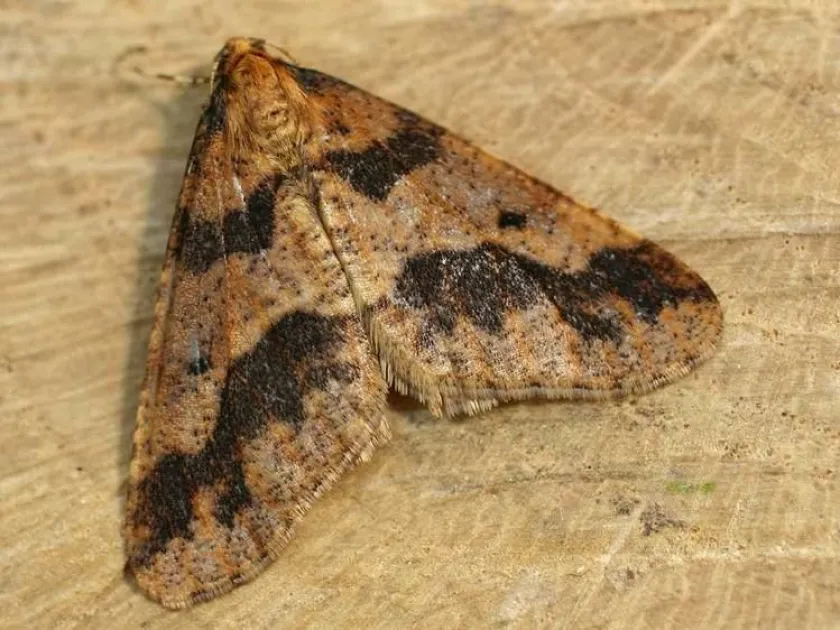
The Vancouver cankerworm Hibernia vancouverensis belongs to the family Geometridae (inchworms). This species exhibits significant sexual dimorphism, which is a key feature for identification.
The males are winged moths capable of active flight, while the females are flightless, possessing only vestigial wing structures. This forces females to crawl along tree trunks to find mates and egg-laying sites.
Larvae are characteristic inchworms, moving by looping their bodies. This unique locomotive style is a hallmark of the Geometridae family and helps distinguish them from other larvae.
Adults are often nocturnal or crepuscular. Identifying the life stages requires attention to detail, especially during the late autumn mating season for the adults.
Understanding their taxonomy is essential, as this species belongs to the order Lepidoptera, which includes many significant agricultural pests globally.
What it damages
The larvae are the primary damaging stage. They are voracious feeders that emerge during the early spring to feed on developing vegetation.
They primarily infest woody plants, with a strong preference for fruit trees like apples, pears, and various other ornamental deciduous species.
By consuming swelling buds and young foliage, the caterpillars significantly reduce the plant's photosynthetic capacity, which leads to stunted growth.
Heavy infestations can lead to complete skeletonization of leaves, leaving only the veins behind. This stress weakens the tree and reduces fruit quality and yield.
Secondary damage includes increased susceptibility to secondary diseases due to the weakened physiological state of the host plant after extensive defoliation.
When it appears
The life cycle of the Vancouver cankerworm is univoltine, meaning there is only one generation per year, precisely synchronized with the phenology of their host trees.
Egg hatch usually coincides with the bud break of the host trees, ensuring that the larvae have immediate access to high-energy, nutrient-rich tissues.
The larval stage lasts for several weeks through the spring. Once feeding is complete, they descend to the ground to pupate in the soil.
They remain in the pupal stage throughout the summer and early autumn. Adults emerge late in the season to mate and lay eggs for the next year.
The eggs overwinter on the bark of trees, remaining dormant until the cycle restarts with the return of spring temperatures.
Signs of infestation
Early warning signs include the presence of chewed or hollowed-out buds that fail to develop properly during the spring growth flush.
Irregular, ragged holes in the leaves are a classic symptom of larval feeding. In severe cases, the canopy may appear sparse or defoliated.
Silk threads or light webbing may be found on the foliage, as the larvae often use silk to secure themselves or to move between leaves.
Frass (larval excrement) appearing on the lower leaves or on the ground beneath the canopy is a clear indicator of active larval feeding.
During late autumn, careful inspection of the tree bark can reveal small, cryptic egg masses, which are usually the starting point for the following season's infestation.
Control measures
Effective management requires an integrated approach that targets the pest at its most vulnerable life stages.
Applying sticky bands or barrier traps to tree trunks in the autumn effectively prevents flightless females from ascending the tree to lay eggs.
Chemical control, if necessary, should be applied shortly after bud break, when the larvae are young and most susceptible to treatment.
- Utilizing biological insecticides such as Bacillus thuringiensis to target larvae safely.
- Tilling the soil under the tree canopy in late summer to disrupt the pupae in the soil.
- Encouraging natural predators, such as birds and beneficial insects, to help maintain low pest populations.
Consistent monitoring and timely intervention are critical to maintaining tree health and preventing significant economic losses in an orchard environment.
Taxonomy
- Latin name
- Hibernia vancouverensis
- Order
- Lepidoptera (butterflies)
- Family
- Geometridae
- EPPO code
- HIBEVA
Discussion
No discussions yet — be the first.