
Ramshorn snail
Helisoma
Description
How to identify
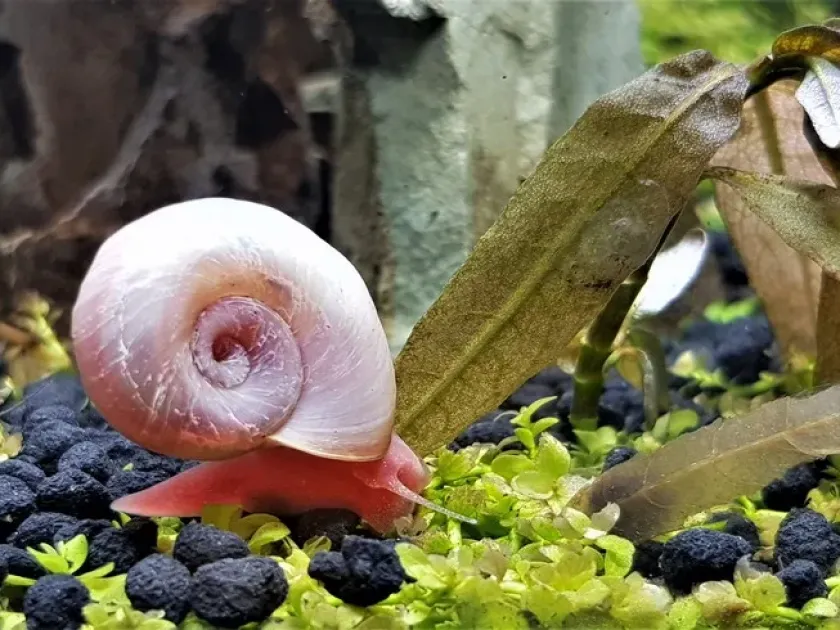
The Ramshorn snail (genus Helisoma) is a freshwater mollusk belonging to the family Planorbidae, easily recognized by its shell coiled in a flat, spiral shape resembling a ram's horn.
These snails possess a muscular foot used for locomotion across surfaces and a pulmonary sac that allows them to breathe atmospheric air, which is why they often surface in aquatic environments.
Adult snails typically range from 10 to 30 millimeters in size, depending on the availability of nutrients and the temperature of the water.
They are hermaphroditic, meaning each individual can reproduce, allowing a small population to multiply rapidly under favorable conditions.
Helisoma species are highly adaptable and thrive in stagnant or slow-moving waters, often colonizing agricultural drainage systems or greenhouse hydroponic setups.
What it damages
Ramshorn snails primarily damage plants by grazing on young, tender leaves, leaving irregular holes and transparent patches that inhibit photosynthesis.
They frequently feed on the soft tissues of submerged stems and root systems, which causes the plant to weaken and become susceptible to secondary infections.
In high-density populations, these snails can strip entire seedling beds, causing substantial economic losses in nurseries and aquatic plant production.
The feeding activity creates entry points for waterborne pathogens, leading to the rapid decay of plant tissues and systemic infection of the crop.
Furthermore, the accumulation of their waste products can degrade water quality, causing an increase in ammonia and fostering the growth of harmful algae.
When it appears
Ramshorn snails are active year-round in controlled indoor environments, such as greenhouses or hydroponic facilities, where temperatures remain stable.
In outdoor water bodies, their metabolic rate and reproductive frequency peak during the warmer months, typically from late spring through early autumn.
Reproduction is temperature-dependent; sustained temperatures above 20°C facilitate the rapid development of egg clutches and the hatching of juveniles.
During colder periods, these snails may enter a state of reduced activity in the bottom sediment, although they rarely die out completely unless the environment freezes.
The absence of a dormancy period in warm environments makes them persistent pests that require constant monitoring and management strategies.
Signs of infestation
The presence of grazing marks—appearing as translucent or skeletonized areas on leaves—is a primary sign that snails are actively feeding on the plants.
Egg clutches appear as gelatinous, transparent, or slightly yellowish disks attached to the underside of leaves or on hard substrates within the water.
Direct sightings of the snails on leaves or stems, especially during the twilight hours or in low-light conditions, are the most reliable indicators of infestation.
The presence of small, dark, granular fecal pellets on the plant base or in the growing medium signifies a high population density.
Wilting of foliage without signs of fungal or bacterial pathogens often suggests damage to the root system by snails feeding in the substrate.
Control measures
Manual removal remains the most effective immediate measure for controlling small populations, especially in confined agricultural systems.
Baiting traps with fresh vegetables (such as lettuce or cucumber) overnight is an efficient way to collect and dispose of large numbers of snails.
Biological control using fish species that naturally prey on snails can be implemented in specific aquatic farming systems to keep populations in check.
Maintaining high hygiene standards, such as removing decaying plant material, denies the snails their primary food source, limiting their growth.
- Quarantine new plants before introduction to prevent the arrival of egg clutches.
- Regular inspection of the root zone and leaf undersides.
- Filtration and substrate cleaning to remove snail waste and eggs.
- Avoid overfeeding in integrated systems to limit nutrient availability.
Taxonomy
- Latin name
- Helisoma
- Order
- Molluscs
- Family
- Planorbidae
- EPPO code
- HELSSP
Discussion
No discussions yet — be the first.