
Heliconius melpomene
Heliconius melpomene
Description
How to identify
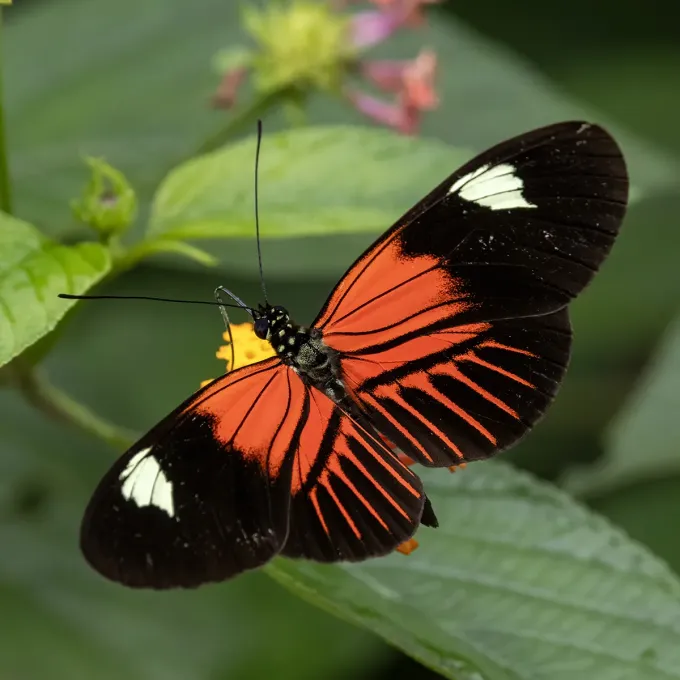
Heliconius melpomene is a well-known butterfly species in the family Nymphalidae. It is famous for its vibrant wing patterns, which serve as a warning to predators in its natural habitat.
The lifecycle includes four stages: egg, larva, pupa, and adult. As a potential pest, the larval stage (caterpillar) is the primary concern for agronomists managing specialized collections.
Adults are medium-sized butterflies with long, narrow wings. They are typically found in the tropical regions of Central and South America, and occasionally in controlled greenhouse environments globally.
The morphology of the larvae is distinctive, often featuring small spines that deter generalist predators. They rely on specific host plants for survival and growth.
Recognizing the adult butterfly is crucial for early detection in a greenhouse setting, as they indicate the presence of reproductive populations within the facility.
What it damages
The primary hosts for Heliconius melpomene are plants within the Passiflora genus. The caterpillars feed exclusively on these vines, often causing significant defoliation.
Feeding damage involves consuming leaf tissue, which reduces the plant's ability to perform photosynthesis. If the infestation is severe, the vine may struggle to produce flowers or fruit.
The larvae may also consume young, tender shoots and flower buds, negatively impacting the plant's aesthetic value in ornamental settings or the yield in fruit-producing greenhouses.
High caterpillar density can lead to rapid skeletonization of the foliage. This process significantly stresses the plant and inhibits its overall growth and development.
Indirect damage occurs when feeding sites provide pathways for fungal or bacterial pathogens, which can exacerbate the decline of the infested host plant.
Signs of infestation
The earliest signs of an infestation include small, irregular holes on the leaves of Passiflora plants. These holes grow in size as the caterpillars mature and consume more leaf area.
Frass (caterpillar excrement) on the leaves or the soil surface is a clear indicator of active feeding. This provides a visual cue for where to look for the hidden larvae.
Eggs are typically laid on the underside of new leaves. A thorough inspection of the canopy, especially during the morning, can reveal these small egg clusters before they hatch.
Wilted shoots or stunted growth often point to feeding damage on the meristematic tissues of the plant. These symptoms are common in cases of heavy infestation.
Physical presence of the larvae is the most definitive sign. They are often found resting on the leaf edges or stems, blending into the surrounding green tissue.
Control measures
Mechanical removal of larvae is the most recommended and sustainable control measure for smaller greenhouses. It prevents the need for chemical interventions.
Biological pesticides, specifically those containing Bacillus thuringiensis, are highly effective against larval stages of Lepidoptera and are safe for most greenhouse environments.
Exclusion techniques, such as installing fine-mesh screens on greenhouse vents and doors, are essential to prevent adult butterflies from entering and laying eggs on host plants.
Regular monitoring schedules allow for the early detection of egg masses. Removing these manually significantly reduces the population pressure on the crop.
Maintaining optimal humidity and temperature levels within the greenhouse can help ensure plant vigor, allowing the plants to better withstand minor feeding pressure.
Taxonomy
- Latin name
- Heliconius melpomene
- Order
- Lepidoptera (butterflies)
- Family
- Nymphalidae
- EPPO code
- HELUME
Discussion
No discussions yet — be the first.