
Heliconius hecale
Heliconius hecale
Description
How to identify
Heliconius hecale is a species of butterfly belonging to the family Nymphalidae (brush-footed butterflies). While primarily known for its biological interest, its larvae can act as pests on specific plant hosts.
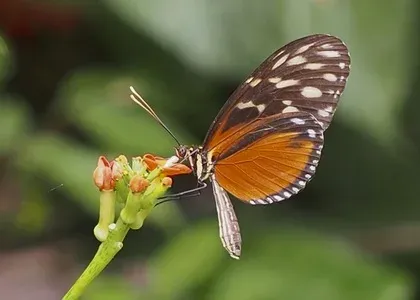
The adult butterfly exhibits vibrant orange, black, and yellow warning coloration on its wings, which have a span of approximately 80-90 millimeters.
The larval stage consists of caterpillars with distinct protrusions, providing camouflage while they feed on the host plant foliage.
The life cycle undergoes complete metamorphosis, passing through the stages of egg, larva, pupa, and adult. The speed of development is heavily influenced by ambient temperature and humidity.
In the wild, they are native to Central and South America, but they pose a localized threat to cultivated plants in greenhouses and specialty nurseries.
What it damages
The caterpillars feed exclusively on plants within the Passifloraceae family, particularly targeting passion flowers (Passiflora).
Larval feeding activity significantly reduces the leaf surface area, which hinders the plant's ability to undergo photosynthesis effectively.
Young shoots are often the preferred target, which can result in stunted growth and structural deformity of the affected plants.
In cases of heavy infestation, the caterpillars can strip the plant of its leaves, leaving only veins behind, which severely weakens the host.
Economic damage is most notable in commercial floriculture and passion fruit production, where aesthetic value and yield are critical.
Signs of infestation
The most prominent sign is the presence of irregular leaf margins and ragged holes caused by the chewing action of the larvae.
Clusters of small, pale eggs are often deposited on the undersides of leaves, serving as the first indicator of a potential infestation.
- Dark, granular frass (excrement) accumulation on leaves.
- Deformed or partially skeletonized foliage.
- Visible presence of larvae on stems or leaf undersides.
- Stunted development of new vegetative growth.
Advanced signs of damage include premature leaf drop and the overall loss of vigor in the infested host plant.
Control measures
Integrated pest management begins with frequent scouting and manual removal of larvae or eggs from the plants.
Biological control agents, specifically products derived from Bacillus thuringiensis (Bt), provide targeted control against caterpillars while maintaining safety for beneficial insects.
Physical protection, such as fine-mesh screening in greenhouses, is highly effective in preventing adult butterflies from laying eggs on crops.
Maintaining a clean growing environment by removing debris and weeds associated with the Passiflora host plants helps break the life cycle.
Strict quarantine and inspection procedures for incoming tropical plant stock are essential to prevent the introduction of this species into new growing areas.
Taxonomy
- Latin name
- Heliconius hecale
- Order
- Lepidoptera (butterflies)
- Family
- Nymphalidae
- EPPO code
- HELUHE
Discussion
No discussions yet — be the first.