
Heliconius cydno
Heliconius cydno
Description
How to identify
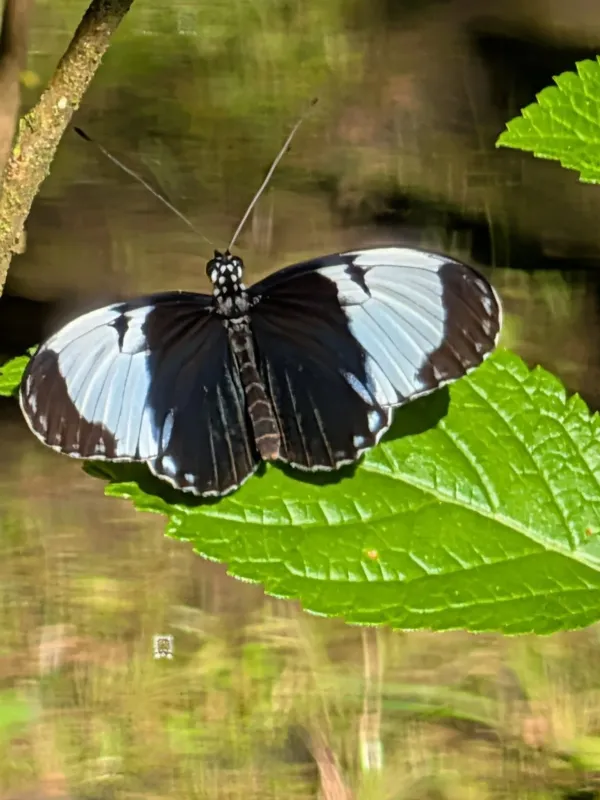
Heliconius cydno is a butterfly species belonging to the family Nymphalidae and the order Lepidoptera. The adults are recognizable by their distinct high-contrast wing patterns, typically featuring black, white, and yellow markings.
The wingspan of this species generally ranges between 60 and 80 millimeters. Unlike many other butterflies, Heliconius cydno adults can feed on pollen, which contributes to their longevity and reproductive success.
The larvae (caterpillars) are characterized by a cylindrical body covered in spines, which serves as a defensive mechanism against predators. Their coloration often helps them blend in with the vegetation of their host plants.
The life cycle encompasses a complete metamorphosis, moving through egg, larva, pupa, and adult stages. Females lay eggs on the tender foliage of specific host plants.
The pupae are suspended from plant tissues and possess crypsis, mimicking dead leaves or twigs to avoid detection by birds and parasitic wasps.
What it damages
The primary host plants for Heliconius cydno larvae are species of Passiflora (passion fruit). The larvae cause damage by feeding on the leaves, which can be devastating to commercial plantations.
Defoliation is the main concern; massive infestations can remove a significant portion of the leaf area, thereby reducing the plant's ability to photosynthesize effectively.
Damage to the apical buds and young shoots affects the plant's growth cycle and can directly interfere with the formation of flower buds and future fruit production.
Heavy feeding pressure weakens the plant, making it more susceptible to secondary environmental stresses, pathogens, and opportunistic pests.
In high-density cultivation systems, the presence of these larvae can result in significant yield loss if not monitored and managed properly during the larval stage.
Signs of infestation
The most common sign of infestation is skeletonized leaves, where only the primary veins of the foliage remain after the caterpillars have consumed the softer tissues.
Presence of frass (caterpillar excrement) on the leaves or the ground beneath the plant is a clear indication that larvae are actively feeding in the canopy.
Careful inspection of the undersides of young leaves usually reveals the presence of eggs or early-instar larvae, which often feed in groups during their development.
Curled or damaged leaf margins and stunted growth in young sprouts are secondary symptoms caused by larval feeding activity at the growth points.
Observing a higher-than-normal number of adult butterflies flying around the crop area suggests that mating and egg-laying are occurring, signaling the need for intervention.
Control measures
Biological control, such as the application of Bacillus thuringiensis (Bt) sprays, is highly effective for controlling caterpillar populations while remaining safe for most beneficial insects.
Encouraging or releasing natural enemies, such as parasitic wasps or predatory bugs, can help regulate the butterfly population within a sustainable threshold.
Mechanical removal of egg clutches and manual collection of larvae are effective strategies for small-scale gardens or when integrated pest management is preferred.
Exclusion methods, such as utilizing fine-mesh netting to cover plants, effectively prevent adult butterflies from accessing the leaves to lay eggs.
Cultural practices, including the maintenance of clean fields and the removal of alternative wild host plants in the immediate vicinity, can significantly reduce the pressure of infestation.
Taxonomy
- Latin name
- Heliconius cydno
- Order
- Lepidoptera (butterflies)
- Family
- Nymphalidae
- EPPO code
- HELUCY
Discussion
No discussions yet — be the first.