
Heliconius
Heliconius
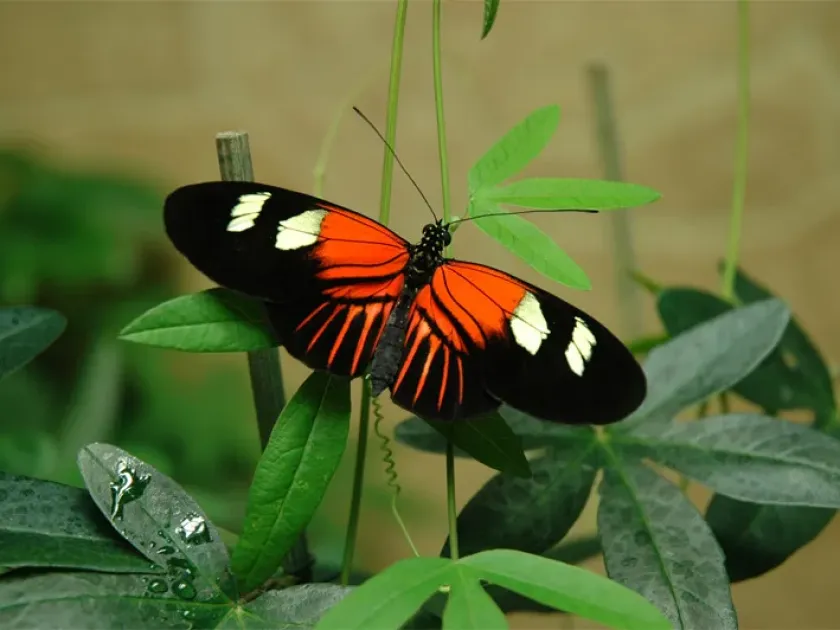
Description
How to identify
Heliconius is a genus of butterflies within the family Nymphalidae, widely known for their striking warning coloration and complex biological interactions with their host plants.
While often celebrated in ecology, their larvae are specialized herbivores. Adult butterflies are characterized by long, narrow wings, often featuring vibrant patterns of black, yellow, red, or orange.
The larvae are typically cylindrical and possess various types of spines or tubercles, which serve as a defense mechanism against avian and invertebrate predators.
Development involves complete metamorphosis: eggs are laid on host plants, followed by multiple larval instars, a pupal stage, and the emergence of an adult butterfly.
These butterflies have a long lifespan for their kind and often utilize both nectar and pollen as food sources, which makes them highly efficient pollinators.
What it damages
The larvae of the Heliconius genus are specialized feeders, primarily targeting plants within the family Passifloraceae, including the commercially significant Passion fruit.
Feeding larvae skeletonize the leaves, consuming the leaf tissue between the veins, which significantly disrupts the photosynthetic capacity of the host plant.
Heavy infestations can lead to significant defoliation, which hampers vegetative growth, reduces overall plant vigor, and may ultimately decrease crop yield.
Young shoots and tender leaves are most susceptible to damage, which is particularly concerning during the early stages of plant development in nursery settings.
While damage is usually localized, in intensive cultivation systems, it requires monitoring to prevent economic loss from stunted growth or plant mortality.
Signs of infestation
Early signs of infestation include small, irregular holes in the foliage, typically appearing on the youngest, most tender leaves of the passion fruit plants.
As larvae mature, the damage becomes more pronounced, resulting in skeletonized leaves where only the primary and secondary veins remain intact.
Close inspection often reveals the presence of larvae, which may be found on the undersides of leaves or along the stems, often blending in with the plant tissue.
The presence of larval frass on leaves or the ground beneath the plants is a clear indicator that the larvae are actively feeding in the immediate vicinity.
Stunted growth, yellowing, or wilting of the tips of vines are common indirect symptoms caused by excessive tissue loss due to larval feeding.
Control measures
Manual removal of egg clutches and larvae remains one of the most eco-friendly and effective methods for small-scale operations or organic agricultural plots.
Biological control agents, such as formulations containing Bacillus thuringiensis, are highly effective against larvae while minimizing impact on non-target pollinators.
Cultural management practices, including the pruning of heavily infested plant parts and maintenance of clean growing environments, help to interrupt the lifecycle.
Physical barriers such as fine-mesh netting can be deployed over plantations to prevent adult butterflies from accessing the plants for oviposition.
In cases of high pest pressure, integrated pest management strategies should be employed to combine chemical control judiciously with natural biological suppression methods.
Taxonomy
- Latin name
- Heliconius
- Order
- Lepidoptera (butterflies)
- Family
- Nymphalidae
- EPPO code
- HELUSP
Discussion
No discussions yet — be the first.