
Helicodonta
Helicodonta
Description
How to identify
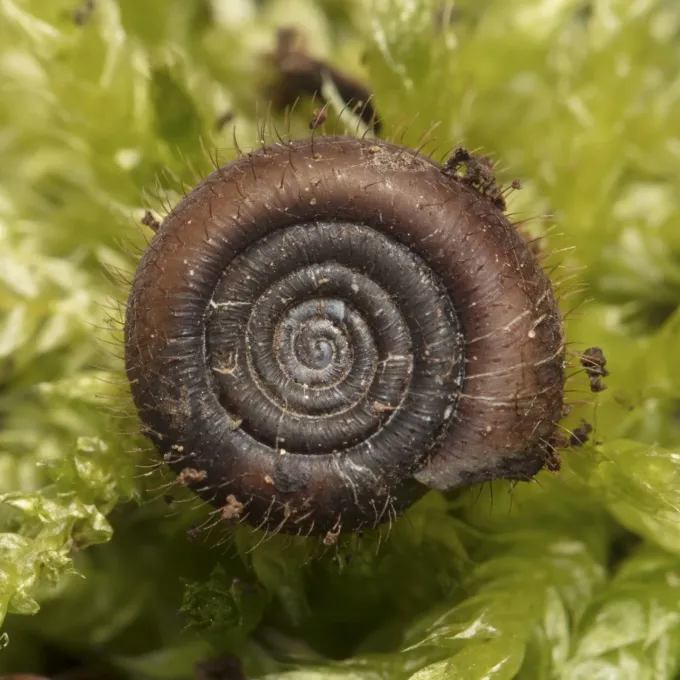
Helicodonta is a genus of air-breathing land snails belonging to the family Hygromiidae. These gastropods are characterized by their small, often discoid or low-conical shells.
The shells of many species within this genus feature a distinct morphology, sometimes covered with fine hairs or scales, which serves as a tactile defense mechanism against predators.
These snails typically inhabit moist and shaded environments, such as gardens, forests, and damp agricultural areas, where they can maintain their body moisture levels.
Being nocturnal or crepuscular by nature, they spend their daylight hours sheltered under leaf litter, stones, wood, or within dense vegetation to avoid desiccation.
The soft body of the mollusc is highly dependent on environmental humidity, and they rely on their mucus secretions to facilitate movement across various surfaces.
What it damages
Helicodonta snails are considered pests in gardens and greenhouses, as they feed on a variety of young plant tissues, including seedlings, leaves, and tender shoots.
The damage caused by these snails is characterized by irregular holes and jagged edges on the leaves, which can severely impact the health and aesthetic value of ornamental plants.
Seedlings and young transplants are particularly vulnerable, as even minor feeding activity can lead to total destruction or stunted growth of the plant.
Besides direct physical damage, the mucus trails left by snails can harbor pathogens and spores, potentially facilitating the spread of fungal diseases in crops.
In high-density populations, these snails can cause significant economic losses in berry crops, lettuce, and other leafy vegetables due to extensive grazing on the plant parts.
When it appears
The activity patterns of these snails are heavily dictated by moisture levels and ambient temperature, with peak activity observed during cool, rainy seasons.
Spring and autumn are the primary periods of concern, as the moderate temperatures and frequent rain provide the ideal conditions for their feeding and reproduction.
During the peak of summer heat or winter cold, Helicodonta snails enter a period of dormancy, retreating into soil crevices or deep under debris to survive.
Reproduction typically follows periods of high humidity, leading to rapid population growth that can catch gardeners off guard if monitoring is neglected.
Understanding their life cycle is crucial, as the survival of overwintering adults and eggs dictates the potential severity of the infestation in the following year.
Signs of infestation
The most evident sign of a Helicodonta infestation is the presence of irregular, ragged holes in the foliage, often appearing in the lower parts of the plant canopy.
Glistening, silvery trails of dried mucus on leaves, stems, or the soil surface are clear indicators that these gastropods are active in the area.
In cases of severe infestation, one may observe clusters of snails hiding in moist crevices, such as under pots, stones, or near the base of dense vegetation.
Stunted growth or necrotic tissues on the edges of leaves, coupled with the aforementioned trails, strongly suggest the presence of mollusc activity.
Direct sightings during humid nights or early mornings are the most reliable method for confirming the presence of the pest on specific plant species.
Control measures
Managing Helicodonta requires an integrated pest management approach that combines cultural, mechanical, and, if necessary, chemical strategies.
- Remove garden debris, weeds, and wood piles that serve as daytime refuges for snails.
- Practice proper spacing between plants to improve airflow and reduce micro-humidity.
- Utilize physical barriers like copper tape, crushed eggshells, or coarse sand around susceptible plants.
- Implement manual removal by hand-picking during evening hours or using simple bucket traps.
- Use iron phosphate-based molluscicides, which are generally safer for non-target wildlife and pets.
Regular cultivation of the soil can help disrupt snail habitats and expose eggs to predators or desiccation, effectively reducing the population density.
Choosing water-efficient irrigation systems, such as drip irrigation, helps keep the surrounding soil surface drier, making the environment less hospitable for these moisture-loving pests.
Taxonomy
- Latin name
- Helicodonta
- Order
- Molluscs
- Family
- Hygromiidae
- EPPO code
- HLDNSP
Discussion
No discussions yet — be the first.